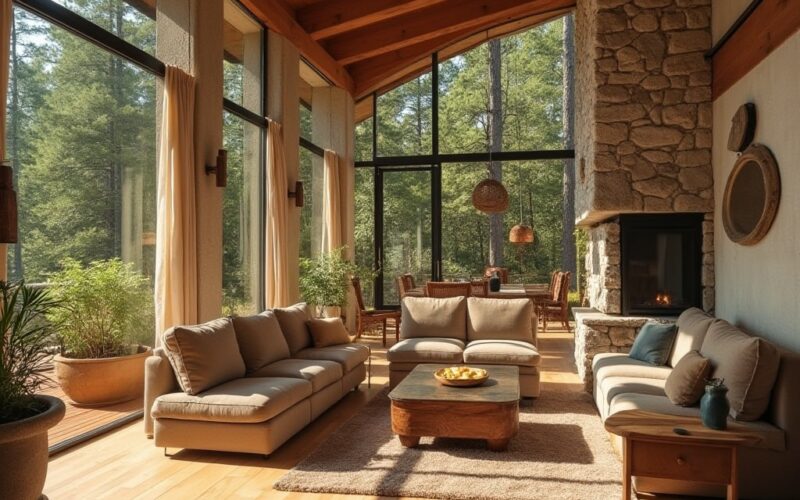
If you live on South Century Drive, near Shevlin Park, or in a quiet pocket of Sunriver where the pines press right up against your backyard, you already know something city dwellers do not. Living on the edge of the Deschutes National Forest is beautiful, but it is not gentle on your home.
Fine volcanic sand clings to hiking shoes. Pine needles hitch rides on dog fur. Sticky sap drops from boots onto living room floors. Cabin decks funnel grit straight into entryways. Over time, these small, daily invasions leave their mark. Scratches. Dull finishes. Stains that refuse to budge.
For edge-of-town homeowners, outdoor hobbyists, and second-home owners, the question is not whether nature will come inside. It is how to choose flooring that can handle it. If you are searching for the best flooring for homes in wooded areas in Bend, OR, the answer lies in a combination of texture, durability, and smart design. At Northwest Tile Supply, we specialize in materials and installation strategies built specifically for forest living in Central Oregon.
The Forest Effect: Why Standard Floors Fail in Bend’s Wooded Areas
Homes near the Deschutes National Forest face unique challenges. Unlike urban environments, where dust and light debris are the primary concerns, forest-edge homes contend with constant organic material and abrasive grit.
Volcanic sand acts like fine sandpaper underfoot. Even small amounts can dull smooth finishes over time. Pine needles, though seemingly harmless, carry tiny particles that grind against surfaces when stepped on. Add moisture from snowmelt or early morning dew, and that grit becomes even more abrasive.
For mountain bikers, trail runners, and hikers, the problem intensifies. Shoes and gear bring in red cinder dust from trails. Resin from pine trees sticks to soles and transfers indoors. Cabin and vacation rental owners see even more wear, as guests transition repeatedly from deck to living room without always pausing to clean footwear.
Traditional high-gloss hardwood and deep-pile carpet rarely survive long under these conditions. Gloss finishes highlight every scratch. Carpets trap pine needles deep in fibers, turning routine cleaning into a weekly chore.
Understanding these realities is the first step toward choosing the best flooring for homes in wooded areas in Bend, OR. The right material must embrace the forest lifestyle rather than fight it.
Texture as a Secret Weapon: Hiding Wear Before It Happens
One of the most overlooked strategies for forest homes is choosing flooring with texture and visual camouflage. Wire-brushed and distressed finishes are not just design trends. They are practical solutions for High Desert living.
Wire-brushed hardwood features subtle ridges that follow the grain of the wood. These textures help mask small scratches and fine sand marks that would be glaringly obvious on a smooth surface. Distressed finishes offer natural character, so minor dings blend into the aesthetic rather than standing out.
Luxury vinyl plank with embossed textures provides a similar advantage. When paired with wood-look visuals that incorporate natural variation, these floors disguise everyday wear beautifully. For homeowners who prioritize low maintenance, this means less stress over every scuff.
At Northwest Tile Supply, we guide clients toward finishes that align with both their style and lifestyle. Forest homes benefit from mid-tone hues and grain variation that naturally conceal grit. Our showroom features Bend-proof samples chosen specifically for properties bordering wooded areas.
The goal is not to eliminate wear entirely. It is to choose materials that age gracefully in an environment where nature is always present.
Superior Sealants: Guarding Against Pine Sap and Red Cinder Dust
Beyond texture, the finish layer plays a critical role in durability. Pine sap and red cinder dust can stain or embed into lower-quality surfaces. Once that happens, the damage may be permanent.
High-performance topcoats such as ceramic bead or aluminum oxide finishes provide a protective shield. These advanced sealants increase scratch resistance and reduce the likelihood of staining. They create a barrier that resists moisture and sticky residues, making cleanup faster and more effective.
For homes in Sunriver or near Shevlin Park, this level of protection is essential. Snow tracked inside during winter months often melts near entryways, creating a mix of moisture and grit. Without proper sealing, that combination can seep into seams or leave visible marks.
Northwest Tile Supply offers products engineered for these exact conditions. We prioritize brands known for high-quality wear layers and superior sealants. When clients ask about the best flooring for homes in wooded areas in Bend, OR, we focus not just on appearance but on finish technology.
A beautiful floor is important. A floor that remains beautiful after years of forest traffic is even more so.
Smart Transitions: Designing Entryways That Work
Flooring performance does not rely on materials alone. Layout and transition design matter just as much. Forest homes benefit greatly from intentional drop zones that trap grit before it spreads throughout the main living area.
Custom tile or stone entryways create a durable buffer between outdoors and indoors. These surfaces handle heavy wear and are easy to sweep clean. From there, transitions into luxury vinyl plank or hardwood should be seamless but strategic.
At Northwest Tile Supply, we help design integrated entry solutions that suit your home’s architecture. For example, a slate-look porcelain tile in the mudroom can flow naturally into a textured LVP in the living area. This creates a visual distinction while protecting the most trafficked zones.
Cabin and second-home owners especially benefit from this approach. Guests moving in and out with gear may not follow strict no-shoes policies. A well-designed entry transition absorbs much of that impact.
For edge-of-town homeowners, thoughtful design reduces daily maintenance. Instead of constantly vacuuming pine needles from every corner, debris is contained near the entrance.
Sustainable Choices for Forest Living
Many Bend residents choose to live near the National Forest because they value the environment. Flooring decisions can reflect that same ethos.
FSC-certified wood options ensure responsible forest management practices. Recycled-content luxury vinyl and tile products reduce material waste. Selecting durable materials that last longer also supports sustainability by minimizing replacement cycles.
At Northwest Tile Supply, we understand that eco-conscious values are important to many of our clients. We offer products that align with the “Keep Bend Central Oregon” spirit. Living near the forest often deepens appreciation for natural resources, and your home’s interior can reflect that respect.
Sustainability does not mean sacrificing durability. In fact, many of the most resilient flooring products today are designed with both performance and environmental responsibility in mind.
Choosing the best flooring for homes in wooded areas in Bend, OR requires more than browsing a catalog. It demands local knowledge. Our team members live this lifestyle. We know what it means to track in sand after a Phil’s Trail ride or sweep pine needles off a Shevlin Park deck.
When you visit our showroom, you are not just viewing samples. You are seeing materials tested against Central Oregon’s real-world conditions. We help you select textures that hide wear, sealants that resist staining, and transitions that contain debris before it spreads.
Living on the edge of the Deschutes National Forest is a privilege. Your floors should be built to handle it. With the right materials and thoughtful design, your home can embrace the forest without being worn down by it.
Living in Bend means you probably don’t tiptoe through life. You head out before sunrise for a skin up Mount Bachelor. You load the truck with bikes and head to Phil’s Trail. You let the dog sprint through the Deschutes and shake off somewhere between the driveway and the kitchen. It is part of what makes Bend special. However, it is also tough on your floors.
Mud, melting snow, and the fine volcanic cinders that define Central Oregon can quietly destroy delicate materials. Scratches from gravel, water damage near entryways, and warping from seasonal dryness are common complaints for homeowners across Northwest Crossing, Tetherow, and neighborhoods on both sides of town. If you are searching for the best waterproof flooring for snow and mud in Bend, OR, you are not alone.
At Northwest Tile Supply, we see firsthand what happens when flooring is chosen for looks alone instead of lifestyle. The good news is that you do not have to sacrifice style for durability. With the right materials, installation methods, and climate expertise, your home can handle Bend’s elements without losing its mountain modern edge.
Bend’s Unique Flooring Enemies: Snow, Cinders, and High Desert Air
Not all climates are created equal. Bend’s combination of winter snow, shoulder-season mud, and year-round volcanic grit creates a unique set of challenges for interior surfaces. The cinders and sandy soil found on local trails are particularly abrasive. When tracked indoors, they act like fine sandpaper against traditional hardwood and low-quality laminate.
Add melting snow from ski boots sitting by the door, and you introduce moisture that seeps into seams and subfloors. Even if you wipe it up quickly, repeated exposure can lead to swelling or staining. Dog owners know this scenario well. Wet paws, energetic zoomies, and the occasional accident all test a floor’s resilience.
Then there is Bend’s low humidity. High desert air can cause certain materials to shrink, gap, or crack if they are not properly acclimated before installation. National big box retailers may sell flooring designed for more humid regions, but without local knowledge, those products often fail prematurely here.
Understanding these local hazards is the first step in choosing the best waterproof flooring for snow and mud in Bend, OR. It is not just about water resistance. It is about abrasion resistance, proper installation, and climate compatibility.
Cinder-Tested Durability: What Actually Holds Up
For active adventurers and property managers alike, durability is non-negotiable. Floors must withstand bike cleats, ski boots, dog nails, and constant foot traffic. One of the most reliable solutions in Bend homes today is high-quality luxury vinyl plank with a 20mil or greater wear layer.
Not all vinyl flooring is equal. Lower-grade options may look appealing at first, but their thin wear layers scratch easily under abrasive debris. At Northwest Tile Supply, we carry brands specifically chosen for their cinder-tested durability. These products are engineered to resist the fine volcanic rock and sand common in Central Oregon.
Porcelain tile is another strong contender, especially in entryways and mudrooms. Properly installed tile resists scratches, handles moisture, and provides long-term performance. For mountain modern homeowners who want a high-end aesthetic, large-format porcelain can mimic natural stone or wood without the maintenance headaches.
When customers visit our showroom, they can see Bend-proof samples that have been real-world tested. These are not theoretical solutions. Our team members live the same outdoor lifestyle. We know what works in a Westside bungalow versus an Eastside ranch because we have lived it ourselves.
Moisture-Resistant Installation Makes the Difference
Even the most durable flooring can fail if it is not installed correctly. In Bend, proper moisture-resistant installation is critical. Snow melts. Wet gear drips. Dogs shake off river water. Entryways become high-risk zones.
A high-quality moisture barrier beneath the flooring protects the subfloor from water infiltration. Without it, repeated exposure to moisture can lead to mold growth or structural damage. Seam sealing and proper edge detailing further reduce risk in high-traffic areas.
Northwest Tile Supply emphasizes installation techniques designed specifically for Bend’s conditions. We understand that entryways and mudrooms need extra attention. Expansion gaps must be properly calculated to account for temperature fluctuations. Subfloors must be prepared carefully to ensure long-term stability.
For short-term rental owners managing Airbnbs, this level of installation detail protects ROI. Guests do not always remove boots. Skis may lean against walls. Flooring must withstand constant turnover without requiring frequent repairs.
Choosing the best waterproof flooring for snow and mud in Bend, OR, is only part of the equation. Installing it with Bend’s climate in mind is what ensures lasting performance.
Local Climate Acclimation: The Hidden Key to Longevity
Bend’s dry air surprises many new homeowners. Materials that perform well in coastal or humid environments may shrink or gap here. Hardwood flooring, in particular, is vulnerable if not properly acclimated.
Before installation, flooring materials should be allowed to adjust to the home’s interior humidity levels. This process reduces the risk of expansion and contraction issues later. Unfortunately, rushed installations from national chains often skip this step.
At Northwest Tile Supply, climate acclimation is standard practice. We understand how Central Oregon’s dry winters and mild summers affect materials over time. By taking the time to properly acclimate flooring before installation, we prevent the shrinking and cracking that can undermine an otherwise beautiful floor.
This attention to detail is especially important for mountain modern homeowners investing in high-end finishes. The aesthetic should remain as impressive years later as it did on installation day.
Style Meets Function in Bend Homes
Durability does not mean sacrificing design. Bend’s architectural styles range from cozy craftsman cottages to sleek modern builds in Tetherow. The best waterproof flooring for snow and mud in Bend, OR should complement these aesthetics while standing up to real life.
Luxury vinyl plank now offers realistic wood textures and wide-plank visuals that align perfectly with mountain modern design. Porcelain tile comes in finishes that echo basalt, slate, and other natural elements found throughout Central Oregon.
For active adventurers, easy cleanup is just as important as appearance. Floors should handle a quick sweep of cinders and a damp mop after a snowy day without special treatments. Dog owners need surfaces that resist scratches and clean up easily after muddy trail runs.
At Northwest Tile Supply, our showroom reflects these priorities. We invite customers to explore samples that have been chosen for Bend’s unique environment. Our staff are locals who ski, hike, bike, and paddle just like you. We understand that your home is both a sanctuary and a basecamp.
When you choose flooring designed specifically for Bend living, you protect your investment and preserve your lifestyle. Mud, snow, and cinders are not going away. However, with the right materials and expert installation, they do not have to win.
If you’re ready to upgrade your floors, visit Northwest Tile Supply and see what Bend-proof really looks like. Your home deserves materials that can handle the High Desert while still reflecting the beauty of Central Oregon.
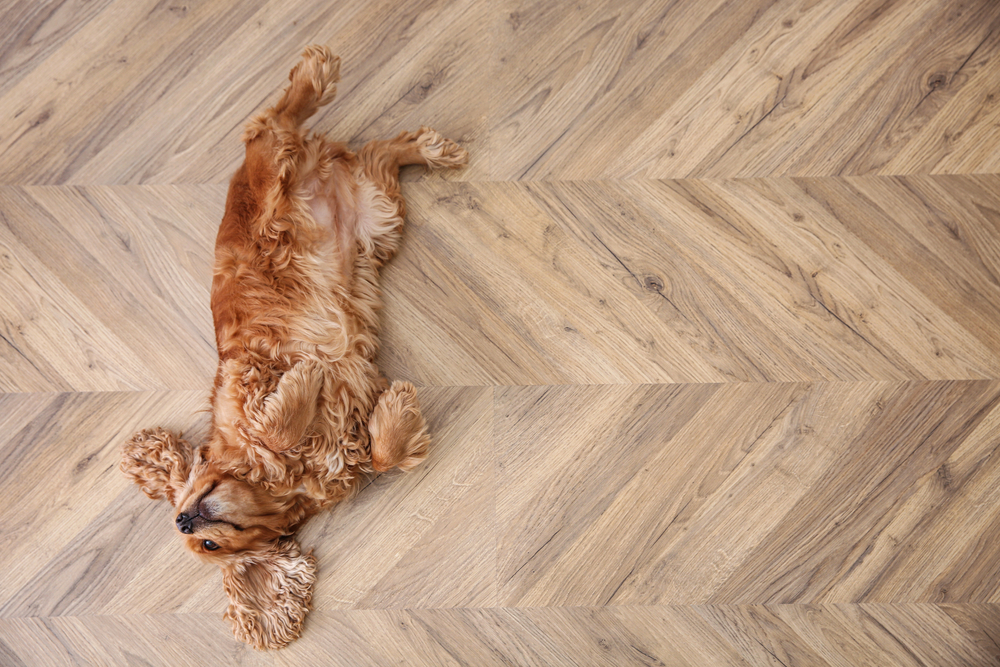
Pet owners in Bend, OR know all too well the joys and challenges of having high-energy, adventure-loving dogs. From hiking trails and forest runs to muddy riverbanks and snowy expeditions, your canine companions are constantly on the move, and they tend to bring the great outdoors right back into your home. While your dog’s spirited lifestyle brings excitement, it can be a nightmare for your flooring. Claws, dirt, water, and rough play can quickly damage traditional flooring surfaces. That’s why choosing scuff-resistant, pet-friendly flooring isn’t just a luxury; it’s a necessity.
In recent years, flooring manufacturers have responded to the growing demand for pet-conscious solutions with innovations that combine durability, style, and ease of maintenance. Among the leading choices, scratch resistant luxury vinyl tile for dogs stands out as a game changer. Let’s explore what makes certain floors better suited for your active pups and what you should look for when upgrading your space.
The Impact of Adventure Dogs on Household Floors
Living in a place like Bend, OR, your lifestyle probably includes regular outdoor activities that involve your pets. Whether it’s trekking through dusty trails or frolicking in the snow, your dog’s daily routine can put a lot of strain on your home’s flooring. Sharp claws can dig into soft surfaces. Mud and snow melt can seep into cracks and lead to warping. Frequent traffic from excited paws leads to scuff marks, discoloration, and visible wear patterns.
Beyond aesthetics, some flooring materials simply can’t withstand the volume of wear that active dogs bring. Hardwood may look beautiful, but it scratches easily and requires refinishing over time. Carpet traps fur, odors, and allergens, and it’s prone to staining and matting. Laminate, though tougher than hardwood in many cases, can still be vulnerable to water damage and lifted edges.
Choosing the right flooring isn’t just about damage control. It’s also about ensuring your pets are comfortable and safe. Slippery surfaces increase the risk of joint injuries, especially in older dogs. Cold floors in winter can be unpleasant for dogs used to warm trails and soft earth. Balancing durability with comfort is crucial when designing a pet-friendly home.
Why Luxury Vinyl Tile is a Smart Choice for Dog Owners
Luxury vinyl tile (LVT) has rapidly become a favorite among homeowners with dogs, and for good reason. It offers a rare combination of visual appeal, resilience, and practicality. More specifically, scratch resistant luxury vinyl tile for dogs offers peace of mind for anyone with a pet who tends to run, slide, or dig indoors.
LVT is constructed with multiple layers, including a tough wear layer on top that resists scratches, scuffs, and everyday abrasions. This layer acts as a shield against sharp claws and rough play. Many luxury vinyl products also feature textured finishes that improve traction, reducing slipping for dogs who love to sprint through the house after a hike.
Another major benefit of luxury vinyl tile is its water resistance. Muddy paw prints, accidental spills from the water bowl, or a wet dog fresh from a swim aren’t a threat. The material won’t swell or buckle the way hardwood or low-end laminate might. In areas like Bend, where snow and rain are part of daily life in many seasons, this waterproof quality makes LVT a perfect match for local lifestyles.
The designs available in luxury vinyl have also evolved dramatically. You can find LVT that mimics the appearance of hardwood, stone, or ceramic tile, allowing you to enjoy a high-end look without sacrificing function. Plus, it’s easy to clean with a simple sweep and mop routine. For busy pet owners, that’s a huge time saver.
Top Considerations When Choosing Dog-Proof Flooring
Not all vinyl is created equal, and not all “pet-friendly” labels are backed by true performance. When shopping for flooring, focus on these important features to ensure you’re investing in something that can keep up with your dog.
First, look at the wear layer thickness. A thicker wear layer (measured in mils) generally means better resistance to scratches and scuffs. For homes with dogs, a wear layer of 20 mils or more is often recommended. Some commercial-grade luxury vinyl tiles are built to withstand even more intense use and are ideal for homes with multiple pets.
Next, choose a product with added slip resistance. Many modern LVT products include embossed textures or anti-slip coatings to help pets maintain their footing, which reduces the risk of injury. This is especially important in homes with older dogs, puppies learning coordination, or breeds prone to hip and joint issues.
Also, consider the acoustic properties of your flooring. Dogs can be noisy as they move around the house, and some materials amplify that sound. Luxury vinyl can include sound-dampening backing layers that soften the click-clack of claws and create a quieter, more peaceful indoor environment.
Lastly, keep maintenance in mind. Even the most scratch resistant luxury vinyl tile for dogs needs to be cleaned regularly to maintain its appearance and hygiene. Fortunately, most LVT products require minimal upkeep, just routine sweeping and the occasional damp mop with a mild cleaner.
The Bend, OR Lifestyle and Flooring Needs
Bend, OR is known for its active, outdoor lifestyle and stunning natural surroundings. Residents here often prioritize sustainability, adventure, and community, and their homes tend to reflect those values. For dog owners in this part of the country, flooring needs to align with both aesthetic and practical priorities.
Luxury vinyl tile is particularly suited to Bend’s climate and culture. Winters bring snow and ice, springs and summers often come with dust and grit from the high desert, and dogs are part of the daily rhythm of life. Whether you’re returning from a ski day at Mt. Bachelor or a kayaking trip on the Deschutes River, your flooring must be able to handle wet gear, dirty paws, and spontaneous indoor wrestling matches.
Additionally, many homes in Bend embrace a natural aesthetic, with wood tones, stone-inspired textures, and earthy palettes. The wide variety of design options available in luxury vinyl tile allows homeowners to stay true to that rustic-modern Bend style while ensuring durability for their four-legged adventurers.
Several local flooring retailers in Bend now stock pet-friendly flooring options, including scratch resistant luxury vinyl tile for dogs, with consultations tailored to lifestyle and budget. Supporting local businesses in your area also means tapping into firsthand knowledge of what works best for homes dealing with regional weather patterns and pet challenges.
The Right Flooring for a Pet-Forward Life
Choosing the best flooring for your home when you have dogs is a decision that impacts your everyday comfort, your home’s appearance, and your peace of mind. In a place like Bend, OR, where life is lived outdoors as much as in, your floors need to be tough, practical, and stylish.
Scratch resistant luxury vinyl tile for dogs offers a compelling solution for pet parents who want it all: durability, visual appeal, safety, and ease of maintenance. Its water-resistant properties, claw-proof surfaces, and anti-slip textures make it ideal for households with active pups who bring joy and chaos in equal measure.
As your dogs roam through forests, bound through rivers, and curl up by your side at the end of the day, your flooring should stand strong underfoot. Investing in the right materials ensures that your home remains a sanctuary for both humans and pets, no matter how wild the adventure gets outside. With the right scuff-resistant flooring, you won’t just be protecting your home; you’ll be embracing a lifestyle where your dogs are free to be exactly who they are: happy, messy, and full of life.
Need a Local Flooring Store Near You?
We’d love to help bring your next project to life! At Northwest Tile Supply, Inc., our knowledgeable and friendly team is here to guide you through our wide selection of high-quality stone and porcelain tiles. Whether you’re a contractor tackling a big job or a homeowner planning a renovation, our showroom in Bend is the perfect place to get inspired and find exactly what you need. Give us a call or stop by today—we’re excited to work with you and help make your vision a reality!
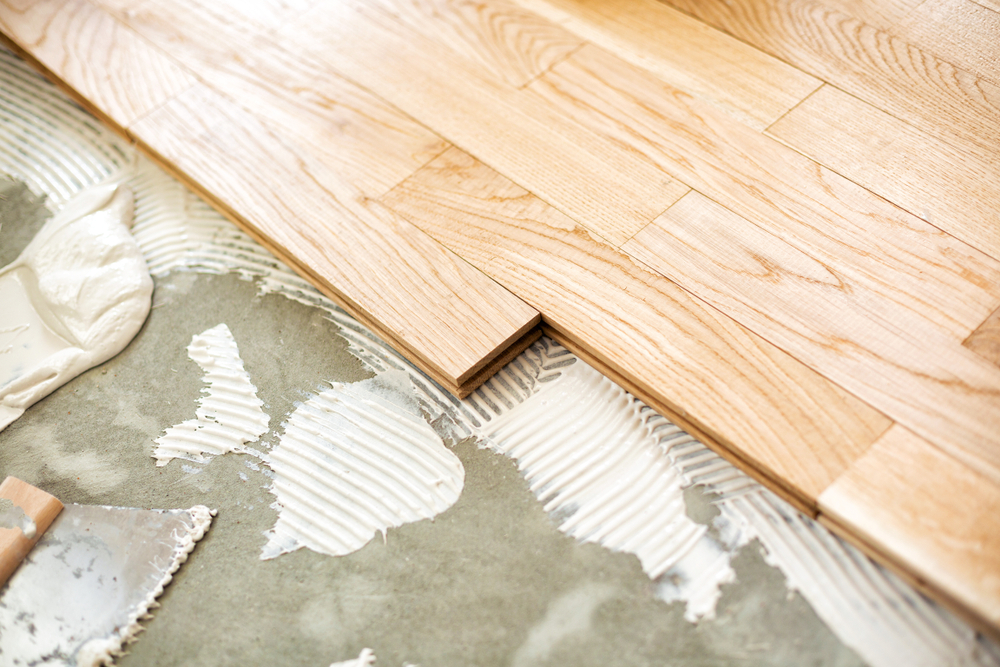
Before installing new flooring in your Central Oregon home, prepping the subfloor is the crucial first step many homeowners underestimate. The subfloor serves as the foundation for your finished floor, and its condition can make or break the final result. In regions like Central Oregon, with its unique climate marked by fluctuating temperatures, seasonal moisture, and dry air, special attention must be given to ensure the subfloor is ready to handle these challenges. Failing to properly prepare your subfloor can lead to uneven surfaces, squeaks, moisture damage, or premature wear of your new flooring.
Subfloors can be made of plywood, concrete, particleboard, or other materials. Regardless of the type, a flawless floor installation starts with a clean, dry, and level surface. Whether you’re laying hardwood, laminate, luxury vinyl, or tile, investing time in preparing your subfloor will improve not only the appearance but also the longevity of your new floors. Especially in Central Oregon, choosing the best subfloor underlayment for Central Oregon climate is essential to prevent expansion, warping, or mold issues.
Inspecting and Cleaning: First Steps to a Sound Subfloor
The first step in preparing your subfloor is a thorough inspection. For plywood subfloors, check for water damage, squeaky spots, loose nails, or rotting wood. Use a flashlight to spot any darkened or moldy areas, and tap on different sections to hear hollow sounds that indicate damage. For concrete subfloors, look for cracks, chips, or signs of moisture seepage.
After inspection, cleaning is next. Sweep and vacuum the entire area to remove dust, debris, and any remaining adhesive or paint. If you’re dealing with a concrete surface, use a degreaser or a concrete-safe cleaning agent to remove oil stains. Any foreign material left behind can interfere with adhesion and cause imperfections in your flooring. Moisture testing is also critical. In Central Oregon, despite the region’s dry air, snowmelt and seasonal rain can lead to unexpected humidity under flooring, especially in basements or slab-on-grade homes. A moisture meter or calcium chloride test will help determine if your subfloor is dry enough to proceed.
This is also the time to fix any squeaks or movement. For wood subfloors, reinforce loose panels with screws or nails, and fill any gaps or low spots with leveling compound or wood filler. Any uneven areas greater than 1/8 inch over 6 feet should be addressed to prevent problems down the line.
Moisture Management: Essential for Central Oregon Homes
One of the biggest threats to flooring longevity is moisture, and this is particularly relevant in Central Oregon where weather patterns can range from dry summers to wet winters. Even in drier months, crawl spaces and slab foundations can trap moisture beneath flooring materials, creating ideal conditions for mold, mildew, and rot. That’s why selecting the best subfloor underlayment for Central Oregon climate is not just an upgrade but a necessity.
Underlayment acts as a barrier between the subfloor and the finished floor, helping to mitigate moisture transfer, cushion foot traffic, and reduce sound. For homes in Central Oregon, look for underlayments that offer built-in vapor barriers or moisture-wicking properties. Products made from closed-cell foam or rubber are often ideal for this environment, especially when installing luxury vinyl plank or laminate.
In cases where moisture levels are high, a dedicated vapor barrier should be installed over the subfloor before laying underlayment. For concrete slabs, applying a moisture-sealing primer or epoxy coat can add extra protection. These steps are particularly important for basements and first floors, which are more likely to encounter groundwater or seasonal moisture fluctuations.
Leveling and Smoothing: Creating the Perfect Surface
Even minor imperfections in the subfloor can lead to major problems in the finished floor. Uneven subfloors can cause planks to separate, tiles to crack, or flooring to wear unevenly over time. Central Oregon’s climate only compounds these issues, as natural expansion and contraction from seasonal changes can stress even slightly raised sections.
For wood subfloors, use a long level or straight edge to find dips and high points. Sand down any ridges and fill low areas with a high-quality patching compound. Plywood seams may need to be sanded or even removed and replaced if they have expanded from moisture. Remember to screw down any loose boards to prevent future squeaking.
For concrete, self-leveling compound is often the best option. These products are poured over the surface and automatically spread to form a smooth, level surface. It’s important to prime the concrete first to ensure proper bonding. Self-levelers can be used to correct both minor and more substantial height variations, but they require adequate curing time before proceeding.
Timing your subfloor prep to align with Central Oregon’s more temperate months (typically late spring or early fall) can help minimize the impact of extreme temperatures and make the leveling process more predictable.
Choosing the Right Underlayment for Central Oregon
With your subfloor now clean, dry, level, and smooth, the next step is selecting an underlayment designed to handle Central Oregon’s variable climate. The best subfloor underlayment for Central Oregon climate should offer moisture resistance, sound absorption, and support for your flooring type.
For hardwood installations, felt or cork underlayments are traditional choices, but engineered foam products have grown in popularity due to their enhanced thermal insulation and mold resistance. For laminate and vinyl plank floors, choose underlayments with attached vapor barriers to guard against seasonal moisture. Multi-layer underlayments that combine foam, film, and fiberglass offer great performance in terms of durability and sound control, especially in multi-story homes.
Tile floors require a different approach altogether. Cement backer boards or uncoupling membranes are ideal for this type of installation. These materials provide a stable base for tile adhesion while also helping to absorb stress from subfloor movement, which can be more pronounced in the Central Oregon region due to temperature fluctuations.
When in doubt, consult with local flooring professionals or manufacturers to ensure your underlayment matches the specific needs of your home’s construction and the floor type you plan to install. The right product will extend the life of your flooring and reduce maintenance costs long term.
Investing in Long-Term Flooring Success
Preparing your subfloor may not be the most glamorous part of a flooring project, but it is undoubtedly the most important. In Central Oregon, where homes are subject to both moisture and dryness depending on the season, overlooking subfloor prep can result in costly repairs or replacements down the line. From initial inspection and cleaning to leveling and underlayment selection, each step is a safeguard for your flooring investment.
By focusing on moisture control and structural stability, and by choosing the best subfloor underlayment for Central Oregon climate, you can create a solid foundation that supports beautiful, lasting results. Whether you’re upgrading a single room or undertaking a full home renovation, giving your subfloor the attention it deserves will ensure your flooring stays flawless for years to come.
Need a Local Flooring Store Near You?
We’d love to help bring your next project to life! At Northwest Tile Supply, Inc., our knowledgeable and friendly team is here to guide you through our wide selection of high-quality stone and porcelain tiles. Whether you’re a contractor tackling a big job or a homeowner planning a renovation, our showroom in Bend is the perfect place to get inspired and find exactly what you need. Give us a call or stop by today—we’re excited to work with you and help make your vision a reality!
Laminate and vinyl flooring are two of the most popular flooring choices for modern homeowners. Their affordability, durability, and design versatility make them ideal for everything from budget-friendly remodels to high-traffic commercial spaces. However, with popularity comes misinformation. From misguided notions about their durability to inflated concerns about their long-term value, myths abound in the world of laminate and vinyl flooring. To set the record straight, we’ve consulted industry experts to help separate fact from fiction and shed light on the truth behind the most persistent flooring myths.
Myth #1: Laminate and Vinyl Flooring Are Cheaply Made and Flimsy
One of the most widespread myths about flooring durability and value is the belief that laminate and vinyl flooring are flimsy, low-quality options made from substandard materials. This perception likely stems from earlier iterations of these flooring types that lacked the technological advancements we see today.
Modern laminate flooring is composed of several layers: a tough wear layer, a decorative image layer, a core layer often made of high-density fiberboard, and a stabilizing backing layer. The result is a sturdy, resilient floor that can mimic the look of hardwood or stone at a fraction of the cost. Vinyl flooring, especially luxury vinyl plank (LVP) and luxury vinyl tile (LVT), features enhanced wear layers and waterproof cores, making it a robust choice for areas prone to moisture, such as bathrooms and kitchens.
Today’s manufacturing technologies ensure that both laminate and vinyl floors meet rigorous durability standards. Experts agree that with proper installation and maintenance, these floors can last anywhere from 15 to 30 years, debunking the notion that they are disposable, short-term solutions.
Myth #2: They Look Fake and Unattractive
Another persistent misconception is that laminate and vinyl floors look artificial and lack the aesthetic appeal of natural wood or stone. While this may have been true in the early days of synthetic flooring, today’s offerings are a far cry from the past.
Manufacturers have invested heavily in high-definition printing and texturing techniques, allowing laminate and vinyl to closely replicate the grain patterns, color variations, and even tactile feel of hardwood, ceramic, or natural stone. Embossed-in-register technology, for example, aligns surface textures with printed woodgrain patterns, delivering an authentic look and feel.
Design professionals often recommend vinyl or laminate for high-design spaces, especially where real wood or stone may be impractical due to moisture, budget, or wear concerns. Whether you’re after a rustic oak plank or sleek slate tile appearance, these floors offer a wide array of stylish and realistic design choices.
Myth #3: Laminate and Vinyl Flooring Can’t Handle Water
Among the most damaging myths about flooring durability and value is the assumption that laminate and vinyl floors can’t tolerate water exposure. While early laminate products were vulnerable to swelling when exposed to moisture, innovation has changed the game.
Water-resistant and even waterproof laminate products now exist, making them suitable for kitchens, entryways, and even powder rooms. These enhanced laminates are constructed with hydrophobic cores and tight locking systems that help prevent water from seeping through seams.
Vinyl flooring, particularly luxury vinyl, is inherently waterproof. It is often made from synthetic materials like PVC, which resist water absorption. As a result, vinyl is frequently recommended for basements, laundry rooms, and full bathrooms. Experts caution that although vinyl won’t absorb water, it’s still important to properly seal the edges and seams to prevent mold or mildew growth underneath.
The key takeaway: when chosen thoughtfully and installed correctly, both laminate and vinyl can hold their own in moisture-prone environments.
Myth #4: These Floors Are Bad for Home Value
Some homeowners worry that installing laminate or vinyl flooring will reduce their property’s resale value or make it less appealing to buyers. This idea is outdated and often rooted in comparisons to luxury materials like solid hardwood or natural stone.
While it’s true that high-end materials can increase home value, modern buyers are more practical than ever. Durability, low maintenance, and design appeal are top priorities. Many real estate agents report that quality laminate and vinyl installations are considered upgrades in today’s market, particularly when they are stylish, professionally installed, and well-maintained.
It’s also worth noting that the resale value impact depends heavily on context. For example, in a high-traffic rental property or a family home with children and pets, the scratch resistance and easy cleaning of vinyl or laminate may be more attractive than high-maintenance hardwood.
Ultimately, high-quality flooring of any type—when chosen to match the home’s aesthetic and installed with care—can enhance its marketability.
Myth #5: Laminate and Vinyl Are Interchangeable
A final myth worth debunking is the notion that laminate and vinyl are essentially the same thing, and thus interchangeable. Though they may share similar benefits, they are built differently and have unique properties that make them better suited for different situations.
Laminate is typically made from wood-based products, topped with a photographic image layer and a protective coating. This makes it less resistant to water compared to vinyl but often more rigid and sometimes more comfortable underfoot due to the thicker core.
Vinyl flooring, particularly in plank or tile form, is made entirely from synthetic materials, often with a flexible or semi-rigid core. It is usually more waterproof and thinner, which can be advantageous for installations over existing flooring or in spaces with limited door clearance.
Experts recommend considering the specific needs of each room. For example, vinyl is often preferred in bathrooms or basements due to its waterproof nature, while laminate might be favored in living areas for its warmth and acoustics.
Understanding these distinctions allows homeowners to make more informed decisions that align with their priorities for performance, appearance, and longevity.
Conclusion
The myths about flooring durability and value have cast undue doubt on the reliability and appeal of laminate and vinyl flooring. Thanks to technological innovation, both options now offer exceptional strength, style, and performance. Dispelling these common misconceptions is vital for helping homeowners and renovators choose the right flooring for their unique needs.
Far from being flimsy or inferior, laminate and vinyl flooring stand out as smart, stylish choices that balance aesthetics, affordability, and durability. Whether you are upgrading a single room or outfitting an entire home, trusting the facts—not the myths—will guide you to a beautiful and lasting result.
Need a Local Flooring Store Near You?
We’d love to help bring your next project to life! At Northwest Tile Supply, Inc., our knowledgeable and friendly team is here to guide you through our wide selection of high-quality stone and porcelain tiles. Whether you’re a contractor tackling a big job or a homeowner planning a renovation, our showroom in Bend is the perfect place to get inspired and find exactly what you need. Give us a call or stop by today—we’re excited to work with you and help make your vision a reality!