Winter mornings in Central Oregon can make stepping onto a cold tile floor feel like a shock. Whether you live in a craftsman home near Drake Park, a newer property in Northwest Crossing, or a custom home overlooking the Deschutes River, radiant heated tile can make your living spaces significantly more comfortable throughout the colder months.
Quick Answer
Radiant heated tile is a flooring system that uses electric heating cables or hydronic tubing installed beneath tile to deliver consistent, even warmth from the floor up. In Bend, it is especially popular in bathrooms, kitchens, entryways, and primary suites because it helps combat cold winter floors while improving comfort and energy efficiency when designed correctly.
What Local Readers Should Know
Radiant heated tile works exceptionally well with porcelain and ceramic tile because these materials transfer heat efficiently.
Bend’s long heating season makes floor warming systems particularly attractive for homeowners seeking everyday comfort.
Heated tile is ideal for bathrooms, kitchens, mudrooms, and entryways where bare feet often meet cold flooring.
Proper installation is critical because heating elements must be carefully placed before tile installation begins.
Planning radiant heating during a remodel or new construction is generally easier than adding it after the floor is complete.
Why This Matters Locally
Radiant heated tile makes a noticeable difference for homeowners across Bend because of the region’s cold winters, freezing overnight temperatures, and extended heating season. Homes throughout Deschutes County regularly experience chilly mornings, making tile surfaces uncomfortable without supplemental warmth.
Snow, wet boots, and freezing temperatures are common realities for residents traveling through areas like Old Mill District, Tetherow, and nearby communities such as Redmond, Sisters, and Sunriver. Heated tile helps create warmer living spaces while allowing tile flooring to remain a practical, durable option.
Northwest Tile Supply, Inc. understands how flooring choices perform in Central Oregon’s unique climate. We help homeowners select tile products and radiant heating solutions that complement both their lifestyle and their home’s design.
Local Field Observations
Professional installers throughout Central Oregon frequently see increased interest in radiant heated flooring during bathroom remodels and kitchen renovations. Homeowners often prioritize heated tile in spaces where comfort matters most, including:
Primary bathrooms
Guest bathrooms
Kitchen work areas
Mudrooms
Laundry rooms
Basement living spaces
These observations reflect common remodeling preferences rather than published statistical data.
Local Impact
Radiant heated tile affects more than comfort. It can improve how homeowners use their living spaces throughout winter.
Warm floors create a more inviting bathroom during early mornings. Entryways dry more quickly after snowy walks. Kitchens become more pleasant gathering places during colder months.
Many homeowners also appreciate the quiet operation of radiant systems compared to forced air heating and the even distribution of warmth across the floor.
Warning Signs Heated Tile Could Be Right for Your Home
You may benefit from radiant heated tile if you notice any of these situations:
Your tile floors feel uncomfortably cold every winter.
Family members avoid walking barefoot on tile.
Bathrooms remain chilly despite home heating.
You’re planning a bathroom or kitchen remodel.
Your home includes large expanses of tile flooring.
Entryways stay cold after snow and ice are tracked inside.
You’re building a custom home and want long-term comfort.
You want luxurious comfort without bulky space heaters.
When to Call a Professional
Radiant heated flooring requires careful planning before tile installation begins. While homeowners can research flooring options and room layouts, electrical connections, hydronic system design, and heating element installation should be handled by qualified professionals.
Professional planning helps ensure:
Proper heat coverage
Correct thermostat placement
Compatibility between tile and heating systems
Safe installation
Long-term performance
Early consultation is especially valuable if you’re remodeling an older home in established Bend neighborhoods where existing flooring conditions may require additional preparation.
Common Local Causes of Cold Tile Floors
Several factors contribute to cold flooring throughout Central Oregon.
1. Long Winter Heating Season
Cold overnight temperatures keep flooring cool even after the home’s heating system cycles on.
2. Tile’s Natural Properties
Tile naturally conducts heat away from bare feet unless a heating system supplies warmth beneath it.
3. Slab Foundations
Homes built on concrete slabs often experience colder floor temperatures because the slab absorbs heat.
4. Entryway Moisture
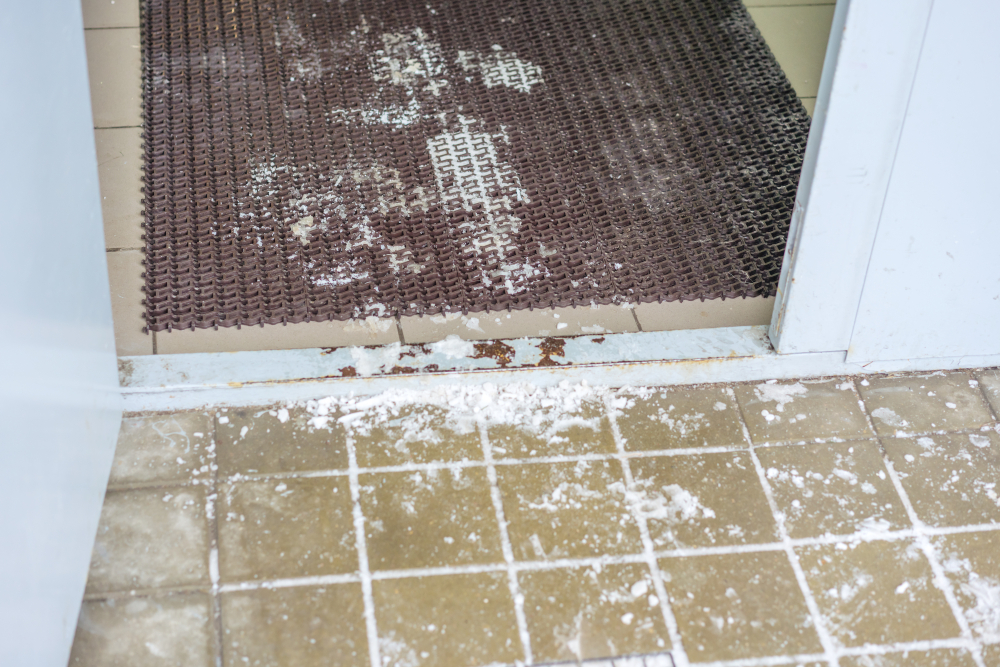
Snow and wet footwear common during winter can make entry tile feel even colder.
5. Open Floor Plans
Many newer homes feature expansive tiled living areas that benefit from supplemental floor heating.
Prevention and Maintenance
Radiant heated flooring requires relatively little maintenance once installed correctly.
Homeowners can help maximize system performance by:
Scheduling heating installation before tile installation begins.
Choosing tile materials that conduct heat efficiently.
Using compatible mortar and installation products.
Keeping thermostat settings consistent during winter.
Following manufacturer recommendations for system operation.
If a remodel is being planned, discussing radiant heating early allows for better design flexibility and budgeting.
Expected Results
Properly installed radiant heated tile provides:
More comfortable floors during winter.
Even heat distribution.
Quiet operation.
Improved enjoyment of tiled spaces.
Reliable daily comfort.
Actual energy performance depends on factors such as insulation, room size, heating system type, and thermostat settings.
Common Mistakes
Mistake: Waiting Until Tile Is Installed
Consequence: Retrofitting can become significantly more expensive.
Better Approach: Plan radiant heating before flooring installation begins.
Mistake: Choosing Flooring Before Considering Heat
Consequence: Some flooring materials transfer heat more efficiently than others.
Better Approach: Coordinate tile selection with your heating plans.
Mistake: Focusing Only on Bathrooms
Consequence: Other frequently used spaces remain cold.
Better Approach: Consider kitchens, mudrooms, laundry rooms, and entryways during project planning.
Common Local Scenario
A homeowner in Central Oregon decides to remodel a primary bathroom before winter. During planning, they discover that adding radiant floor heating while replacing the tile requires far less disruption than attempting to install it later. The finished bathroom provides noticeably greater comfort throughout the colder months while maintaining the clean appearance and durability of tile flooring.
Related Service Solutions
Radiant heated flooring often pairs well with:
Bathroom remodeling
Kitchen renovations
Tile replacement
New home construction
Entryway upgrades
Laundry room improvements
Custom shower installations
Selecting quality tile materials and planning installation together helps create a finished space that balances beauty, durability, and everyday comfort.
Well suited for larger homes and whole-house systems
Typically planned during new construction or major renovations
Standard Tile
Durable and attractive
Floors remain cold during winter
Area Rugs
Lower initial cost
Do not provide consistent floor warmth
Service Areas
We proudly serve homeowners throughout Bend and nearby communities including Redmond, Sisters, Sunriver, Tumalo, and surrounding areas of Deschutes County. Our goal is to help Central Oregon residents choose tile solutions that fit their home’s style and local climate.
Cost of Ignoring the Issue
Cold tile floors may not damage your home, but they can reduce everyday comfort and discourage homeowners from fully enjoying beautifully tiled spaces during winter. Waiting until after a remodel is complete can also increase the complexity and cost of adding radiant heating later.
Yes. Radiant heated tile is especially valuable in Bend because cold winters and long heating seasons make warm flooring a noticeable comfort improvement, particularly in bathrooms, kitchens, and entryways.
What rooms are best for heated tile?
Bathrooms, kitchens, mudrooms, laundry rooms, and entryways are among the most popular choices because they frequently feature tile flooring and experience heavy daily use.
Can radiant heating be installed during a bathroom remodel in Bend?
Yes. Installing radiant heating during a remodel is often the most efficient approach because the flooring is already being removed and replaced.
Does heated tile work with porcelain tile?
Yes. Porcelain tile is one of the best flooring materials for radiant heating because it transfers heat efficiently while remaining highly durable.
Can radiant heated tile increase home comfort during Central Oregon winters?
Yes. Heated tile provides consistent warmth underfoot, making winter mornings more comfortable throughout Central Oregon’s colder months.
Does radiant heated flooring replace my home’s heating system?
Not always. Many homeowners use radiant heated tile as supplemental comfort heating while continuing to rely on their primary heating system for the rest of the home.
Is heated tile suitable for homes near Sunriver or Sisters?
Yes. Homes throughout Bend, Sunriver, Sisters, Redmond, and surrounding communities can benefit from radiant heated tile, particularly in areas that experience extended cold weather.
How long does radiant heated tile last?
A professionally installed system can provide many years of reliable performance when installed according to manufacturer specifications and paired with quality tile products.
Closing
Radiant heated tile combines the durability and beauty of tile with the everyday comfort that many Central Oregon homeowners appreciate during long winters. Careful planning, quality materials, and professional installation help create flooring that performs well for years to come.
Enjoy Warm Floors All Winter Long
Whether you’re planning a bathroom renovation, building a custom home, or upgrading your flooring, we’re here to help you explore radiant heated tile options that fit your goals.
A mudroom works hard in Central Oregon. Between snowy winter boots, spring mud, dusty summer trails, and colorful fall leaves, your flooring needs to stand up to changing conditions without sacrificing style. Choosing the right tile can help protect your home while creating an inviting entryway that stays attractive year-round.
Quick Answer
The best mudroom tile for Central Oregon’s seasons is durable, water-resistant, slip-resistant, and easy to clean. Porcelain tile is often the top choice because it handles moisture, temperature changes, dirt, and heavy foot traffic with minimal maintenance. Color, texture, grout selection, and tile size also play important roles in creating a mudroom that performs well throughout the year.
What Local Readers Should Know
Porcelain tile offers excellent durability for homes experiencing snowy winters and dry, dusty summers.
Textured tile surfaces can improve traction when shoes are wet from snow or rain.
Darker grout colors often hide dirt better during muddy spring months.
Homeowners throughout Bend, Redmond, Sisters, Sunriver, and La Pine frequently choose tile that balances appearance with easy maintenance.
Planning for seasonal moisture helps protect surrounding flooring from damage over time.
Why This Matters Locally
Central Oregon experiences four distinct seasons that all place different demands on your home’s entryway. Winter snow from nearby Mount Bachelor often finds its way indoors on boots. Spring brings muddy trails and wet shoes. Summer means dust from hiking, biking, and outdoor recreation across the Deschutes National Forest, while autumn introduces leaves, pine needles, and changing weather.
Homes throughout Deschutes County often have active lifestyles that make the mudroom one of the busiest spaces in the house. Choosing the right tile helps keep moisture, dirt, and debris contained while making cleanup much easier.
At Northwest Tile Supply, Inc., we help homeowners compare tile options that fit both their design preferences and the realities of living in Central Oregon. After this introduction, we’ll simply refer to ourselves as we.
Local Field Observations
Our experience helping homeowners throughout the region shows that durability and maintenance consistently rank among the highest priorities for mudroom flooring. Families who spend weekends skiing, mountain biking, hiking, fishing, or enjoying local parks often prefer flooring that can handle frequent cleaning without showing excessive wear.
Many homeowners also look for tile that complements the natural colors found throughout the High Desert, creating a seamless transition between outdoor adventures and comfortable indoor living.
How Central Oregon’s Climate Affects Mudroom Flooring
Central Oregon’s changing seasons expose entryway flooring to repeated cycles of moisture, dirt, grit, and temperature changes. Fine dust common during the dry summer months can act like sandpaper under shoes, while winter snow introduces water that may sit on the floor until it evaporates.
Communities including Tumalo, Redmond, Sisters, and Sunriver all experience similar seasonal challenges, making durable flooring a worthwhile investment for many homeowners.
Warning Signs Your Current Mudroom Flooring Isn’t Working
If your existing flooring struggles with local conditions, you may notice:
Visible scratches or worn finishes.
Staining that doesn’t come out with normal cleaning.
Slippery surfaces when wet.
Chipped or cracked flooring near the entrance.
Grout that constantly looks dirty.
Water collecting near doorways.
Frequent maintenance to keep the area looking clean.
These signs often indicate it’s time to consider materials designed for heavier daily use.
When to Work With a Tile Professional
Professional guidance becomes especially valuable when selecting tile for high-traffic spaces. While homeowners can certainly browse styles on their own, choosing the right material involves balancing durability, slip resistance, maintenance requirements, grout selection, and overall design.
Installation planning is equally important. Proper subfloor preparation, expansion spacing, and layout all contribute to long-term performance, particularly in areas exposed to regular moisture.
The Best Tile Options for Central Oregon Mudrooms
The best mudroom tile depends on your priorities, but several materials consistently perform well.
Porcelain Tile
Porcelain tile is widely considered one of the strongest choices for mudrooms. It absorbs very little moisture, resists scratches, handles heavy traffic well, and comes in countless colors and styles, including realistic wood and natural stone looks.
Ceramic Tile
Ceramic tile offers many attractive design options and works well in lighter traffic mudrooms. It can be a budget-friendly solution while still providing good water resistance.
Natural Stone
Natural stone creates a distinctive appearance but often requires additional sealing and maintenance. Some homeowners enjoy its character, while others prefer lower-maintenance porcelain alternatives.
Wood-Look Tile
Wood-look porcelain combines the warmth of hardwood with the durability of porcelain, making it especially popular for homeowners who want a welcoming entryway without worrying about moisture damage.
Prevention and Maintenance Tips
Keeping mudroom tile looking its best is relatively simple with regular care.
Sweep frequently during dusty summer months.
Wipe up melted snow promptly during winter.
Place quality mats inside and outside exterior doors.
Clean grout periodically using products recommended for your tile.
Avoid harsh chemicals that may damage grout or finishes.
Consider sealing grout when appropriate for added stain resistance.
Routine maintenance helps preserve both appearance and long-term durability.
What Results Can You Expect?
Choosing quality tile designed for mudrooms provides several long-term benefits:
Easier cleanup throughout every season.
Better resistance to moisture.
Improved durability under heavy foot traffic.
A cleaner transition between outdoor and indoor spaces.
Lasting appearance with routine maintenance.
The exact lifespan depends on the material selected, installation quality, and ongoing care.
Common Mistakes to Avoid
Choosing Tile Based Only on Appearance
Beautiful tile that lacks durability may show wear quickly. Selecting a product designed for high traffic provides better long-term value.
Ignoring Slip Resistance
Smooth surfaces may become slippery when wet. Textured finishes often provide better traction in busy entryways.
Overlooking Grout Color
Very light grout can require more frequent cleaning. Choosing an appropriate grout color helps maintain a cleaner appearance.
Forgetting About Daily Maintenance
Every flooring material requires some care. Selecting tile that’s easy to clean makes regular upkeep much more manageable.
A Common Central Oregon Scenario
Imagine returning from a day skiing at Mount Bachelor or hiking near Smith Rock State Park. Boots covered with snow, mud, or dust all end up in the mudroom first. Durable tile makes it easy to remove debris before it spreads throughout the home while standing up to repeated seasonal use.
Related Tile Solutions
Many homeowners updating a mudroom also explore coordinating tile for:
Laundry rooms
Entryways
Bathrooms
Kitchens
Hallways
Using complementary materials throughout these connected spaces can create a cohesive look while maintaining practical durability.
We proudly help homeowners throughout Bend and surrounding communities including Redmond, Sisters, Sunriver, La Pine, Tumalo, and other areas across Deschutes County find tile solutions that fit their homes, lifestyles, and design goals.
The Cost of Waiting
Delaying a flooring upgrade can allow worn or damaged surfaces to become more difficult to maintain. Moisture, dirt, and heavy traffic may continue affecting surrounding flooring, especially during winter and spring. Planning your project before seasonal demands increase can provide more flexibility when selecting materials.
Porcelain tile is generally one of the best choices for Bend mudrooms because it offers excellent durability, moisture resistance, and easy maintenance while handling the area’s changing seasonal conditions.
Does porcelain tile handle Central Oregon winters well?
Yes. Porcelain tile performs very well during Central Oregon winters because it resists water absorption and stands up to repeated exposure to snow, slush, and wet footwear.
Should I choose textured tile for my mudroom?
Yes. Textured tile often provides better traction than smooth surfaces, making it a popular option for households dealing with wet boots during snowy or rainy weather.
What grout color works best for mudrooms in Deschutes County?
Medium to darker grout colors often help conceal everyday dirt and seasonal debris while remaining easier to maintain in busy entryways throughout Deschutes County.
Can wood-look tile be used in mudrooms?
Yes. Wood-look porcelain combines the appearance of hardwood with the durability and moisture resistance needed for busy mudrooms.
How often should mudroom tile be cleaned?
Regular sweeping and prompt cleanup of mud, dust, and melted snow help maintain appearance. Seasonal deep cleaning keeps grout looking its best throughout the year.
Is ceramic tile a good option for homes around Redmond and Sisters?
Yes. Ceramic tile can work well for many homes around Redmond and Sisters, particularly when traffic levels are moderate. Porcelain may offer additional durability for busier households.
Can matching tile be used throughout the entryway and nearby rooms?
Yes. Many homeowners create a cohesive design by extending complementary tile into adjacent laundry rooms, bathrooms, or hallways while selecting products appropriate for each space.
Create a Mudroom That’s Ready for Every Season
The right tile helps your mudroom stay beautiful through snow, mud, dust, and everything else Central Oregon brings. We’re here to help you compare materials, explore design options, and find flooring that fits your home and your lifestyle.
After a day spent skiing at Mt. Bachelor, tackling the Phil’s Trail system, or hiking through the Cascade Range, nothing feels better than stepping into a warm, spa-inspired bathroom. For homeowners in Central Oregon, the right bathroom tile does more than elevate your home’s style. It creates a relaxing retreat while standing up to the region’s changing seasons and active lifestyle.
Quick Answer
Choosing the right bathroom tile means balancing comfort, durability, safety, and design. In Bend, Oregon, many homeowners prefer matte porcelain, natural stone look tile, and large-format options that provide slip resistance, easy maintenance, and a luxurious appearance. Pairing these materials with radiant in-floor heating creates a warm, welcoming space that helps soothe tired muscles after outdoor adventures.
What Local Readers Should Know
Matte porcelain bathroom tile offers excellent slip resistance, making it ideal for steam showers and wet bathroom floors.
Radiant heated floors are especially popular throughout Central Oregon because cold winter mornings make tile floors feel much more comfortable.
Large-format tiles reduce grout lines, making cleaning easier after muddy hiking boots or snowy ski gear come inside.
Homeowners in Northwest Crossing, Tetherow, and Awbrey Butte often prioritize spa-inspired bathrooms that increase both comfort and resale value.
Selecting moisture-resistant materials helps bathrooms perform well through Bend’s dry summers and snowy winters.
Why This Matters Locally
Creating a spa bathroom is especially valuable in Bend because outdoor recreation is part of everyday life. Whether you’re returning from mountain biking, trail running, paddleboarding on the Deschutes River, or skiing, your bathroom becomes more than a functional space. It becomes a recovery zone.
Seasonal temperature swings also influence material selection. Winter mornings can be freezing, while the dry climate affects humidity differently than coastal regions. Choosing bathroom tile that performs well in these conditions helps create lasting comfort while supporting your home’s long-term value.
At Northwest Tile Supply, Inc., we help homeowners curate bathrooms that combine luxury with practical performance. We believe beautiful materials should also enhance safety, comfort, and everyday living.
Local Field Observations
Professional experience throughout Central Oregon shows that homeowners increasingly view the master bathroom as a wellness space rather than simply another room in the house. Spa-inspired renovations commonly include:
Walk-in showers with oversized tile
Heated flooring systems
Textured porcelain flooring
Natural stone inspired finishes
Minimal grout lines for easier maintenance
These design priorities are especially common in upscale neighborhoods where homeowners want timeless aesthetics that complement modern mountain architecture.
How Bathroom Tile Supports Post-Adventure Recovery
The right bathroom tile creates an environment that promotes relaxation while improving safety.
Matte Porcelain for Better Grip
Matte porcelain provides excellent traction under wet feet without sacrificing style. After stepping out of a steam shower or soaking tub, textured surfaces reduce the chance of slipping while maintaining a clean, contemporary appearance.
Natural Stone Looks Without Extra Maintenance
Natural stone look porcelain has become a favorite among Central Oregon homeowners because it captures the warmth of slate, limestone, or travertine while requiring far less upkeep than genuine stone.
The result is a spa aesthetic that remains practical for busy families and active lifestyles.
Radiant Heated Floors
Few upgrades transform a bathroom like radiant floor heating.
Warm tile underfoot feels especially inviting during snowy mornings, making early routines more comfortable while helping sore muscles relax after a weekend of skiing or cycling.
Porcelain tile transfers heat efficiently, making it one of the best flooring choices for radiant systems.
Warning Signs Your Bathroom Tile May Be Due for an Upgrade
Several indicators suggest your current bathroom no longer supports the comfort or safety you want.
Smooth glossy flooring becomes slippery when wet.
Cracked or loose tiles allow moisture beneath the surface.
Excessive grout staining makes cleaning increasingly difficult.
Small tile layouts create busy visual patterns that feel dated.
Aging showers lack accessibility features for long-term mobility.
When to Work with a Tile Professional
Professional guidance becomes valuable when selecting materials that balance aesthetics with long-term performance.
An experienced tile supplier can help evaluate:
Slip resistance ratings
Tile size and layout
Shower floor compatibility
Radiant heat compatibility
Maintenance expectations
Design coordination between floors, walls, and accents
These decisions affect both the finished appearance and daily usability of your bathroom.
Common Local Design Priorities
Several factors influence bathroom tile choices throughout Bend and nearby communities.
Active Outdoor Lifestyle
Residents regularly transition from dusty trails, snowy slopes, and river adventures back into their homes. Durable porcelain handles heavy foot traffic while remaining easy to clean.
Luxury Remodels
Neighborhoods such as Tetherow, Awbrey Butte, and Northwest Crossing often feature luxury remodels where bathrooms become showcase spaces that increase property appeal.
Aging in Place
Many retirees relocating to Deschutes County prioritize accessible bathrooms with seamless walk-in showers, curbless entries, wider formats, and slip-resistant surfaces that maintain a sophisticated appearance.
Prevention and Long-Term Maintenance
Quality bathroom tile requires relatively little maintenance when selected properly.
Homeowners can help preserve their investment by:
Using pH-neutral tile cleaners.
Resealing natural stone if genuine stone is installed.
Cleaning grout periodically before discoloration develops.
Addressing cracked grout promptly to prevent moisture intrusion.
Using bath mats that allow moisture to dry underneath.
Choosing porcelain from the beginning significantly reduces maintenance compared to many natural materials.
What Results Can You Expect?
A thoughtfully designed bathroom remodel delivers both immediate comfort and lasting value.
Many homeowners enjoy:
Easier cleaning
Improved slip resistance
Greater daily comfort
Better moisture performance
Timeless visual appeal
Increased resale potential
Rather than following short-lived design trends, selecting versatile materials creates a bathroom that remains stylish for years.
Common Mistakes
Mistake: Choosing Tile Based Only on Appearance
Consequence: Beautiful glossy surfaces may become slippery after showers.
Better Approach: Select textured or matte finishes that combine elegance with safety.
Mistake: Ignoring Heated Flooring
Consequence: Cold winter mornings make bathrooms feel less inviting.
Better Approach: Consider radiant heating during renovations while the flooring is already being installed.
Mistake: Using Too Many Small Tiles
Consequence: Extra grout lines require more cleaning and interrupt a clean spa aesthetic.
Better Approach: Large-format bathroom tile provides a seamless appearance with easier maintenance.
A Common Local Scenario
Imagine spending Saturday skiing at Mt. Bachelor before returning home with tired legs and frozen feet. Instead of stepping onto cold flooring, you enter a bathroom featuring heated matte porcelain tile, a spacious steam shower, and calming natural stone inspired finishes. The space supports both physical recovery and mental relaxation while complementing your home’s modern mountain style.
Related Service Solutions
Choosing the right tile often involves more than selecting a color.
We proudly serve homeowners throughout Bend along with nearby communities including Redmond, Sisters, Sunriver, and other areas across Central Oregon. Whether you’re planning a full luxury remodel or updating a single bathroom, selecting the right materials starts with understanding your lifestyle.
The Cost of Waiting
Delaying a bathroom renovation may mean continuing to live with slippery flooring, dated finishes, or layouts that no longer meet your family’s needs. Planning improvements before problems become larger allows homeowners to create a safer, more comfortable space while maximizing long-term value.
What is the best bathroom tile for homes in Bend, Oregon?
Matte porcelain is one of the best choices because it combines durability, moisture resistance, easy maintenance, and excellent slip resistance while complementing the modern mountain style found throughout the area.
Is radiant floor heating worth installing in Central Oregon?
Yes. Radiant heating makes tile floors significantly more comfortable during cold winter mornings while enhancing the spa experience after skiing, hiking, or cycling.
What tile works best for walk-in showers?
Large-format porcelain paired with smaller textured shower floor tiles provides excellent water management, easy maintenance, and improved traction.
Will bathroom tile increase home value in Bend?
Quality bathroom renovations often improve buyer appeal, particularly in desirable neighborhoods where updated bathrooms contribute to luxury finishes throughout the home.
Is natural stone better than porcelain?
Porcelain often offers the best balance of beauty and maintenance. Modern manufacturing creates realistic natural stone appearances while eliminating much of the upkeep associated with genuine stone.
What bathroom tile is safest for aging in place?
Textured porcelain with slip-resistant finishes works exceptionally well for accessible bathrooms because it provides better footing while maintaining a sophisticated appearance suitable for luxury homes.
Closing
Your bathroom should support the lifestyle that makes Central Oregon such a special place to live. Whether you’re recovering after a weekend adventure or planning a forever home with lasting comfort in mind, selecting the right bathroom tile creates a space that feels both luxurious and practical.
Create Your Own Spa Retreat
Our team is here to help you find bathroom tile that fits your style, supports your lifestyle, and enhances your home for years to come.
Anyone who lives in Central Oregon knows the front entry works overtime. One day it is catching melting snow from ski boots after a trip to Mt. Bachelor, and the next it is dealing with muddy paws after a hike near the Deschutes National Forest. Add in winter cinders, summer pine needles, and dusty trails, and your entryway flooring takes more abuse than almost any other part of your home.
Quick Answer
The best high-traffic entryway for a Central Oregon home combines durable flooring with moisture resistance, easy maintenance, and a surface that stands up to seasonal debris. Materials such as high-quality porcelain tile and luxury vinyl tile (LVT) are popular because they resist scratches, water, dirt, and temperature changes while remaining easy to clean throughout the year.
What Local Readers Should Know
Durable flooring helps protect your home from winter cinders, snowmelt, and abrasive grit commonly found throughout Bend, Oregon.
Homes near the Deschutes National Forest often deal with pine needles, dirt, and mud that can quickly wear down softer flooring materials.
A thoughtfully designed entryway can reduce cleaning time while protecting the rest of your home.
Choosing flooring based on local climate conditions often leads to better long-term performance than simply selecting a style you like.
Entryway design should include flooring, transitions, storage, and easy-to-clean surfaces that work together.
Why This Matters Locally
Designing an entryway in Bend requires more than choosing a beautiful floor. Local homeowners experience dramatic seasonal changes that bring unique challenges throughout the year.
Winter often means snow, slush, road cinders, and deicing materials being tracked inside after skiing or commuting. Spring introduces muddy boots, while summer fills homes with dust, pine needles, and outdoor gear from hiking, mountain biking, fishing, and camping. Fall adds wet leaves and increased moisture as temperatures begin to drop.
Northwest Tile Supply, Inc. understands these everyday realities because we work with homeowners throughout Central Oregon. Rather than recommending the same flooring solutions you might find at a national chain, we help our customers select materials that make sense for the conditions local families actually experience.
Local Data and Field Observations
Professional experience consistently shows that entryways experience some of the highest foot traffic in any home. Throughout Deschutes County, we regularly see flooring exposed to abrasive volcanic dust, gravel, winter cinders, moisture, and outdoor debris that quickly accelerate wear on less durable materials.
These aren’t unusual situations. They are simply part of everyday life for homeowners who enjoy everything Central Oregon has to offer.
How Local Conditions Affect Your Entryway
The climate around Bend creates a combination of flooring challenges that many other regions simply do not experience.
Winter snow eventually melts inside your home.
Road cinders act like sandpaper beneath shoes.
Dogs often track in mud after exploring local trails.
Pine needles become lodged in flooring seams and corners.
Dust from dry summers settles throughout entry spaces.
Large temperature swings can affect certain flooring materials over time.
These conditions make durable flooring one of the smartest investments for homes throughout the region.
Warning Signs Your Entryway Flooring May Not Be Keeping Up
The right flooring should continue performing despite heavy daily use. If you notice any of these issues, your current material may not be ideal for local conditions.
Scratches developing from boots or pet nails
Water stains near the front door
Chipped or damaged flooring edges
Flooring that feels difficult to clean after muddy weather
Worn traffic paths near entrances
Gaps or lifting caused by moisture exposure
Permanent staining from dirt or road debris
When to Consider Professional Guidance
Choosing entryway flooring becomes more important when your household regularly deals with outdoor recreation, pets, children, or heavy daily traffic.
While homeowners can compare flooring samples on their own, professional guidance helps evaluate durability, slip resistance, maintenance requirements, and long-term performance based on how your family actually uses the space.
That local perspective often makes a significant difference because flooring that performs well in another climate may not hold up the same way in Central Oregon.
Common Local Causes of Entryway Wear
The biggest contributors to entryway damage usually include the following.
Winter Road Cinders
Road cinders provide valuable traction during icy weather but are extremely abrasive once carried indoors.
Snow and Moisture
Melting snow from ski gear and winter boots repeatedly exposes flooring to moisture.
Pine Needles
Homes surrounded by ponderosa pines frequently collect sharp needles that become trapped in textured flooring or grout lines.
Outdoor Recreation
Residents who enjoy Smith Rock State Park, Phil’s Trail system, the Cascade Lakes Highway, or nearby hiking areas naturally bring more dirt and debris inside.
Pets
Dogs rarely stop to wipe their paws before coming inside, making scratch resistance and easy cleaning especially important.
Prevention and Maintenance Tips
Keeping an entryway looking its best starts with selecting durable flooring designed for local conditions, but ongoing maintenance also helps.
Place heavy-duty outdoor mats at every entrance.
Use interior mats that capture remaining dirt and moisture.
Sweep frequently during pine needle season.
Clean winter cinders before they scratch surfaces.
Wipe up standing water promptly after snowstorms.
Trim pet nails to reduce scratching.
Remove debris before it migrates into adjoining rooms.
What Results Can You Expect?
Choosing flooring designed for high-traffic spaces provides several long-term benefits.
Many homeowners notice easier cleaning, improved durability, fewer visible scratches, and greater confidence that their flooring can handle everyday family life. High-quality porcelain tile and luxury vinyl tile also maintain their appearance despite changing seasons, making them practical choices for busy households.
Common Mistakes
Mistake: Choosing flooring based only on appearance.
Consequence: Attractive materials may wear quickly under local conditions.
Better Approach: Evaluate durability, water resistance, maintenance requirements, and daily use before making a decision.
Mistake: Assuming every tile performs the same.
Consequence: Lower-quality products may chip or show wear sooner.
Better Approach: Compare product specifications with your household’s traffic level.
Mistake: Ignoring pets.
Consequence: Scratches and extra maintenance become ongoing frustrations.
Better Approach: Select flooring designed to resist claws, dirt, and moisture.
A Common Central Oregon Scenario
Imagine returning home after skiing at Mt. Bachelor with wet boots while your dog races through the front door after playing outside.
Without durable flooring, melting snow, abrasive cinders, and muddy paw prints quickly become difficult to manage. With porcelain tile or luxury vinyl tile selected specifically for local conditions, cleanup becomes much simpler and your flooring continues looking great despite daily use.
Related Flooring Solutions
Several flooring options perform exceptionally well in busy entryways.
High-durability porcelain tile offers outstanding scratch resistance, water resistance, and longevity.
Luxury vinyl tile provides excellent durability while offering a softer feel underfoot.
Depending on the home, coordinating these materials into nearby mudrooms, laundry rooms, kitchens, or hallways creates a seamless and practical design.
We proudly help homeowners throughout Bend, Redmond, Sisters, Sunriver, and surrounding communities across Deschutes County. Whether you are renovating a mountain cabin or updating a family home, we help you select flooring that fits the way Central Oregon residents actually live.
The Cost of Waiting
Delaying flooring upgrades can lead to continued wear, more difficult cleaning, and greater damage as moisture and abrasive debris repeatedly affect the same areas.
Selecting durable flooring before significant deterioration occurs often helps homeowners protect both their investment and their everyday comfort.
What is the most durable flooring for entryways in Bend, Oregon?
Porcelain tile is one of the most durable flooring choices because it resists moisture, scratches, heavy traffic, and temperature changes commonly experienced throughout Bend, Oregon.
Is luxury vinyl tile a good option for homes with dogs?
Yes. Luxury vinyl tile offers excellent scratch resistance, moisture protection, and easy cleaning, making it a practical choice for homes with active pets.
Why do local climate conditions matter when choosing flooring?
Local weather determines how much moisture, dirt, cinders, and seasonal debris your flooring must withstand. Materials that work well elsewhere may not perform as effectively in Central Oregon.
Does porcelain tile hold up against winter road cinders?
Yes. High-quality porcelain tile is highly resistant to scratching and abrasion, making it well suited for homes where road cinders are regularly tracked indoors.
What flooring works best near the Deschutes National Forest?
Homes bordering the Deschutes National Forest often benefit from porcelain tile or luxury vinyl tile because both handle pine needles, dust, mud, and outdoor debris with minimal maintenance.
Should my mudroom and entryway have the same flooring?
Often, yes. Using the same durable flooring throughout connected spaces creates easier maintenance and a more cohesive appearance.
Closing
Life in Central Oregon means embracing every season, and your entryway should be ready for all of them. Choosing durable flooring that matches the realities of local living helps create a space that stays attractive, functional, and easier to maintain year after year.
Ready to Build an Entryway That Works as Hard as You Do?
Our team helps homeowners choose flooring designed for the unique challenges of Bend, Oregon and the surrounding region.
For homeowners in Bend, OR, and across Central Oregon, where temperatures can drop well below freezing, heated tile floors are more than a luxury. They are a practical upgrade that transforms how a home feels from the ground up. The good news is that yes, you can absolutely install radiant floor heating under both porcelain and natural stone tile. But the success of that installation depends on the right materials, the right membrane, and the right process.
How Radiant Floor Heating Works Under Tile
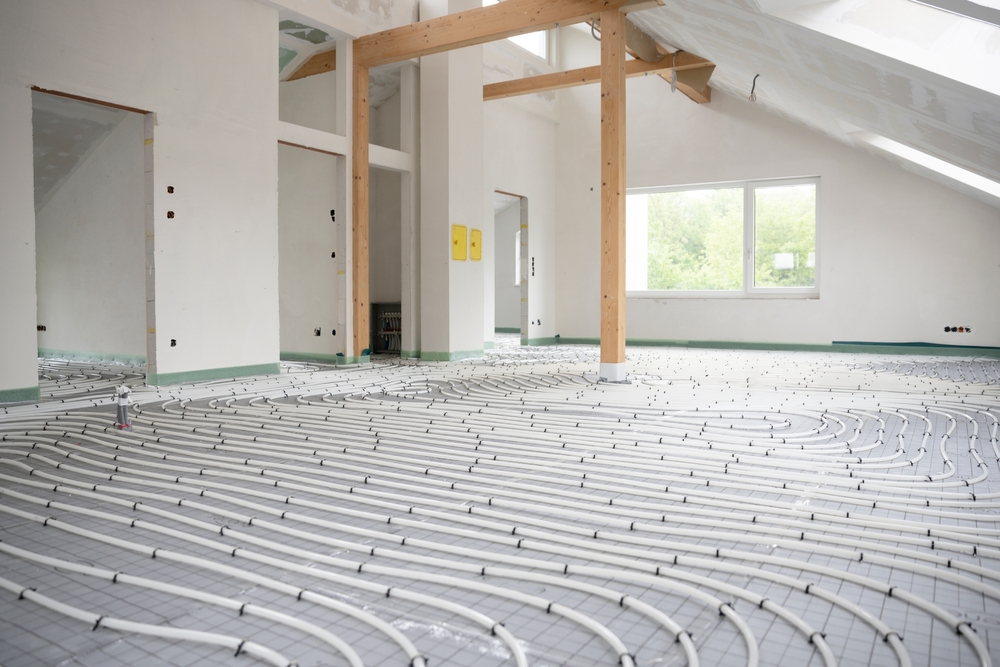
Radiant floor heating systems work by running electric heating cables or mats beneath the surface of your floor. The heat travels upward through the tile, warming the room from the ground level rather than pushing hot air down from the ceiling. This creates an even, comfortable warmth that many homeowners find far more pleasant than forced-air systems.
Tile is one of the best floor coverings for this type of system because it conducts and retains heat efficiently. Unlike wood or carpet, which can insulate against heat transfer, porcelain and stone allow warmth to pass through and radiate into the living space. That is why heated tile floors have become a popular choice for bathrooms, kitchens, mudrooms, and entryways across home remodeling projects in Central Oregon.
The two primary types of electric radiant systems used under tile are heating cables, which are embedded in mortar or a specialized membrane, and heating mats, which come pre-spaced on a mesh backing for easier installation. Both options work well under tile when installed correctly.
Porcelain vs Stone for Heat: What You Need to Know
Choosing between porcelain and natural stone for a radiant floor heating project is not just an aesthetic decision. Each material behaves differently under thermal conditions, and understanding those differences will help you make the right call for your home remodeling project in Bend, OR.
Porcelain tile is dense, low in porosity, and highly stable. It responds well to the heating and cooling cycles that come with a radiant system. Because porcelain expands and contracts minimally, it holds up over time without cracking or shifting. It is also easier to source in a wide range of formats, including large-format slabs that look striking in modern bathrooms and open-plan living areas. For most residential applications, porcelain is a reliable and cost-effective option for heated tile floors.
Natural stone, including marble, travertine, slate, and limestone, brings a richness and texture that porcelain often cannot replicate. However, stone requires more careful handling in a radiant heating application. Because natural stone is porous and can be more sensitive to temperature fluctuations, it is essential to use a proper uncoupling membrane and to ensure the system heats gradually. Rapid temperature changes can cause stress fractures over time, particularly in softer stones like marble or limestone. Working with an experienced installer who understands porcelain vs stone for heat is critical when you are using premium natural materials.
In both cases, the tile adhesive matters. A flexible, polymer-modified thinset is recommended for radiant installations because it can accommodate the slight movement caused by thermal expansion without losing its bond.
Why Ditra-Heat Installation Is the Gold Standard
When it comes to radiant floor heating under tile, Ditra-Heat installation has become the preferred method among professional tile installers and remodeling contractors. Developed by Schluter Systems, Ditra-Heat is an uncoupling membrane with integrated channels that hold electric heating cables securely beneath the tile surface.
The membrane serves several functions at once. It uncouples the tile from the subfloor, which means that any slight movement in the subfloor does not transfer stress directly to the tile. It also waterproofs the assembly, provides a stable bonding surface, and positions the heating cables at the optimal depth for efficient heat transfer.
For homeowners in Bend, OR, undertaking a bathroom or kitchen remodel, Ditra-Heat installation offers a particularly clean and professional result. The cables snap into the membrane’s fleece-lined channels, keeping them evenly spaced and preventing them from shifting during the tile-setting process. The system connects to a thermostat that allows you to program heating schedules, which helps manage energy use during Central Oregon’s long cold seasons.
One of the main advantages of Ditra-Heat over traditional mortar-bed systems is the installation speed. Because the membrane is thin and goes directly over the subfloor, the overall floor height increase is minimal. This matters in renovation projects where matching existing floor heights is important.
What to Expect During Installation
A typical Ditra-Heat installation follows a clear sequence. The subfloor is first inspected for levelness and structural integrity. Any soft spots, squeaks, or high points need to be addressed before the membrane goes down, because a proper tile installation requires a solid, stable base.
The Ditra-Heat membrane is then cut to fit the room and bonded to the subfloor using unmodified thinset mortar. Once the membrane is set, the heating cables are laid into the channels in the pattern recommended by the manufacturer. A thermostat sensor wire is also installed at this stage, usually running in a conduit so it can be replaced if needed without disturbing the tile.
After the cables are positioned and tested with an ohmmeter to confirm they are undamaged, the tile is installed directly over the membrane using the appropriate thinset. Large-format porcelain tiles require back-buttering and full coverage to prevent hollow spots, which is especially important over a radiant system where uneven contact can lead to cracking over time.
Grout joints should be sized according to the tile manufacturer’s recommendations, and a polymer-modified grout is typically preferred for its flexibility. Once everything is cured and the floor has been inspected, the thermostat is wired and programmed.
For home remodeling projects in Central Oregon, the entire process from subfloor prep to a finished, functional floor can take several days depending on room size and complexity. Curing time for thinset and grout must be respected before activating the heating system, and the system should be brought up to temperature gradually the first time it is used.
Conclusion
Radiant floor heating is a smart, long-lasting upgrade for tile floors, and both porcelain and natural stone are excellent candidates when the installation is done correctly. For homeowners in Bend, OR, and throughout Central Oregon, the combination of Ditra-Heat installation with the right tile choice can turn a cold bathroom or kitchen floor into one of the most comfortable surfaces in the house. Whether you are drawn to the durability of porcelain or the beauty of natural stone, working with a knowledgeable tile installer ensures your heated tile floors perform reliably for years to come. Home remodeling is an investment, and in a climate like Central Oregon’s, radiant floor heating is one upgrade that pays off every single winter.
Need a Local Flooring Store Near You?
We’d love to help bring your next project to life! At Northwest Tile Supply, Inc., our knowledgeable and friendly team is here to guide you through our wide selection of high-quality stone and porcelain tiles. Whether you’re a contractor tackling a big job or a homeowner planning a renovation, our showroom in Bend is the perfect place to get inspired and find exactly what you need. Give us a call or stop by today—we’re excited to work with you and help make your vision a reality!