The New Neutrals: Trending Hardwood Stain Colors for Modern Homes

In terms of interior design, flooring remains one of the most powerful elements for setting the tone of a space. As we approach 2026, a distinct shift is emerging in the realm of hardwood floor stain choices. Homeowners and designers alike are gravitating toward a sophisticated palette of modern neutrals, soft and versatile hues that enhance architectural features without overpowering them. Particularly in regions like Central Oregon, where the natural landscape often influences interior styles, the move toward more muted, organic finishes is redefining what it means to have stylish, enduring hardwood floors.

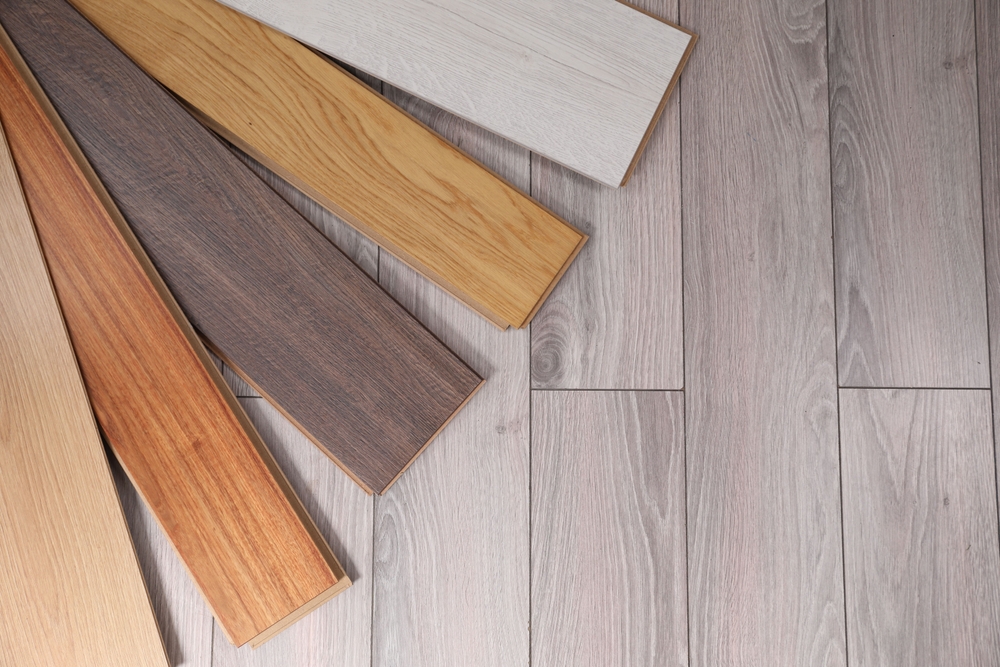
Subtle Sophistication: The Rise of Soft Grays and Taupes

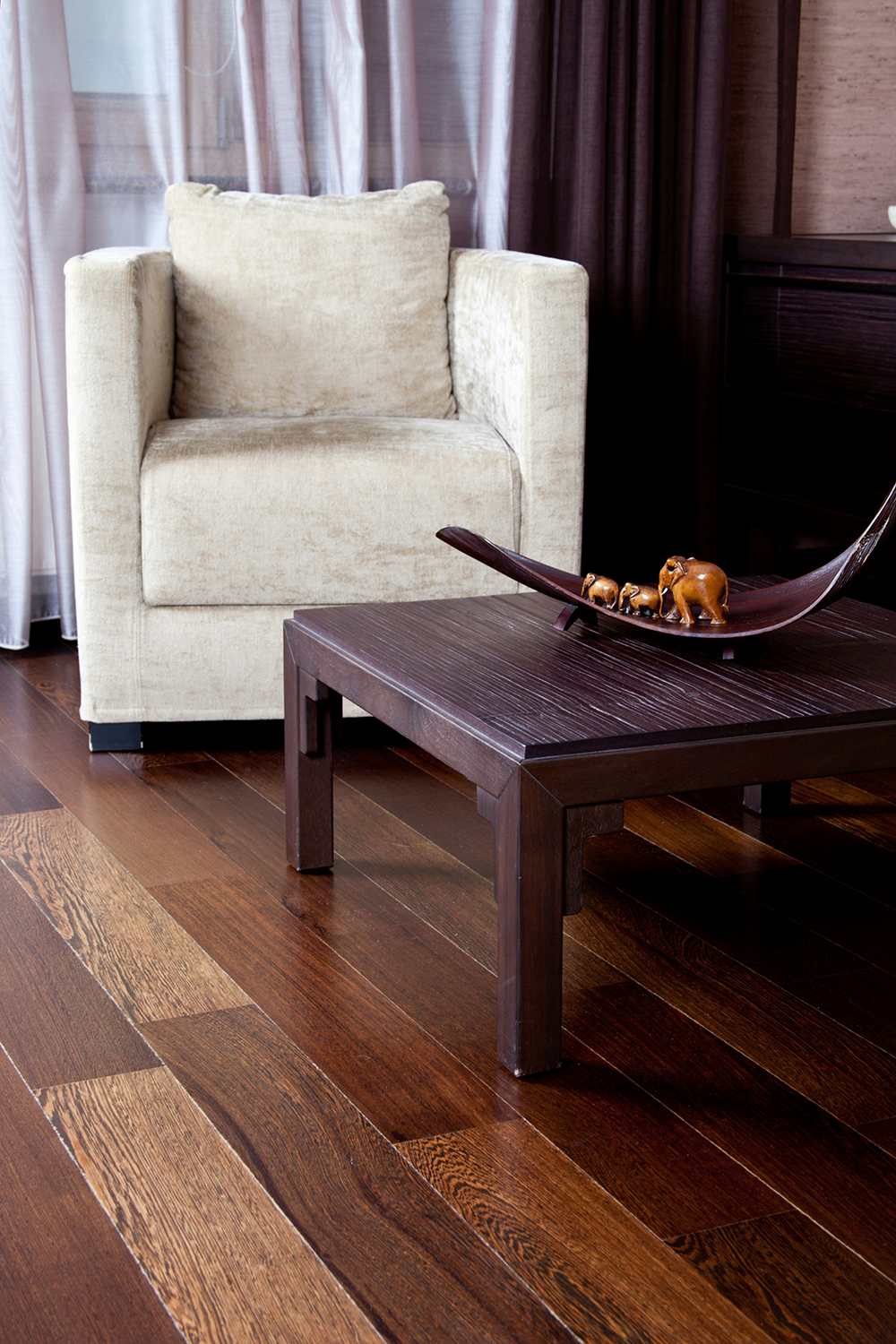
For years, deep espresso and cherry wood finishes dominated hardwood stain preferences. But the tide has turned. Today’s homeowners are embracing the understated elegance of soft grays and taupe tones. These cooler stains reflect a desire for minimalism and serenity in home environments, offering a neutral backdrop that works effortlessly with both contemporary and rustic décor.

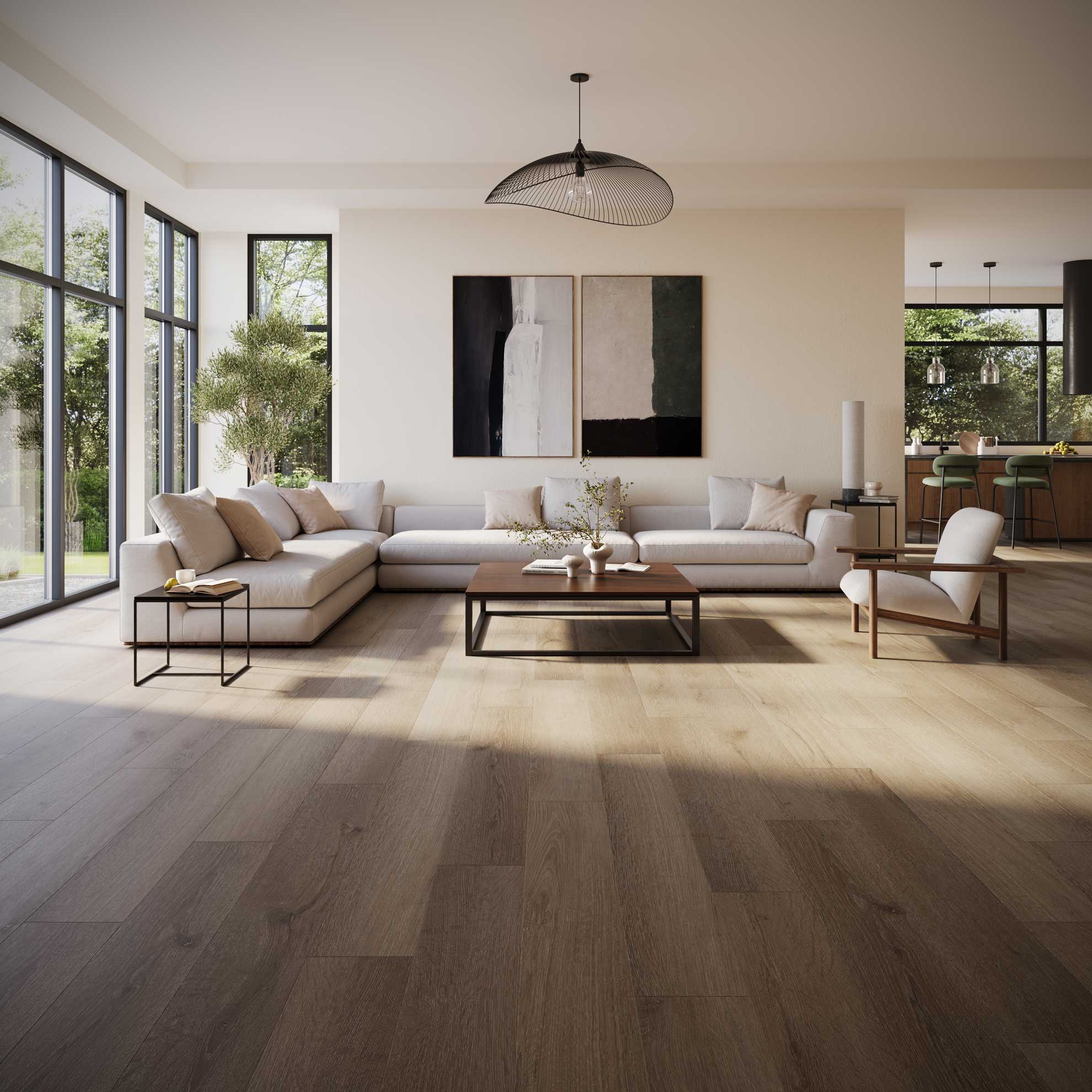
Gray-based stains in particular have proven their versatility. Whether paired with crisp white walls for a Scandinavian aesthetic or mixed with warm earth tones in boho interiors, gray hardwood floors create balance and visual harmony. Taupe, a warm-gray hybrid, adds an extra layer of softness that is perfect for homes aiming to be both modern and inviting. The neutral undertones of these stain colors allow for flexibility in design changes over time, a key reason they are becoming central to the color trends for 2026.

In Central Oregon, where a blend of high-desert charm and modern sensibilities shape design choices, these muted tones resonate with homeowners looking for a timeless yet contemporary flooring solution.

Natural Beauty Reclaimed: Embracing Raw and Unfinished Looks

Another major trend gaining momentum in hardwood floor stain choices is the “barely there” finish. Homeowners are increasingly opting for stains that mimic the look of raw, untreated wood. These finishes often feature ultra-light washes, sometimes even clear sealants, that protect the wood while allowing its natural grain, texture, and knots to shine through.

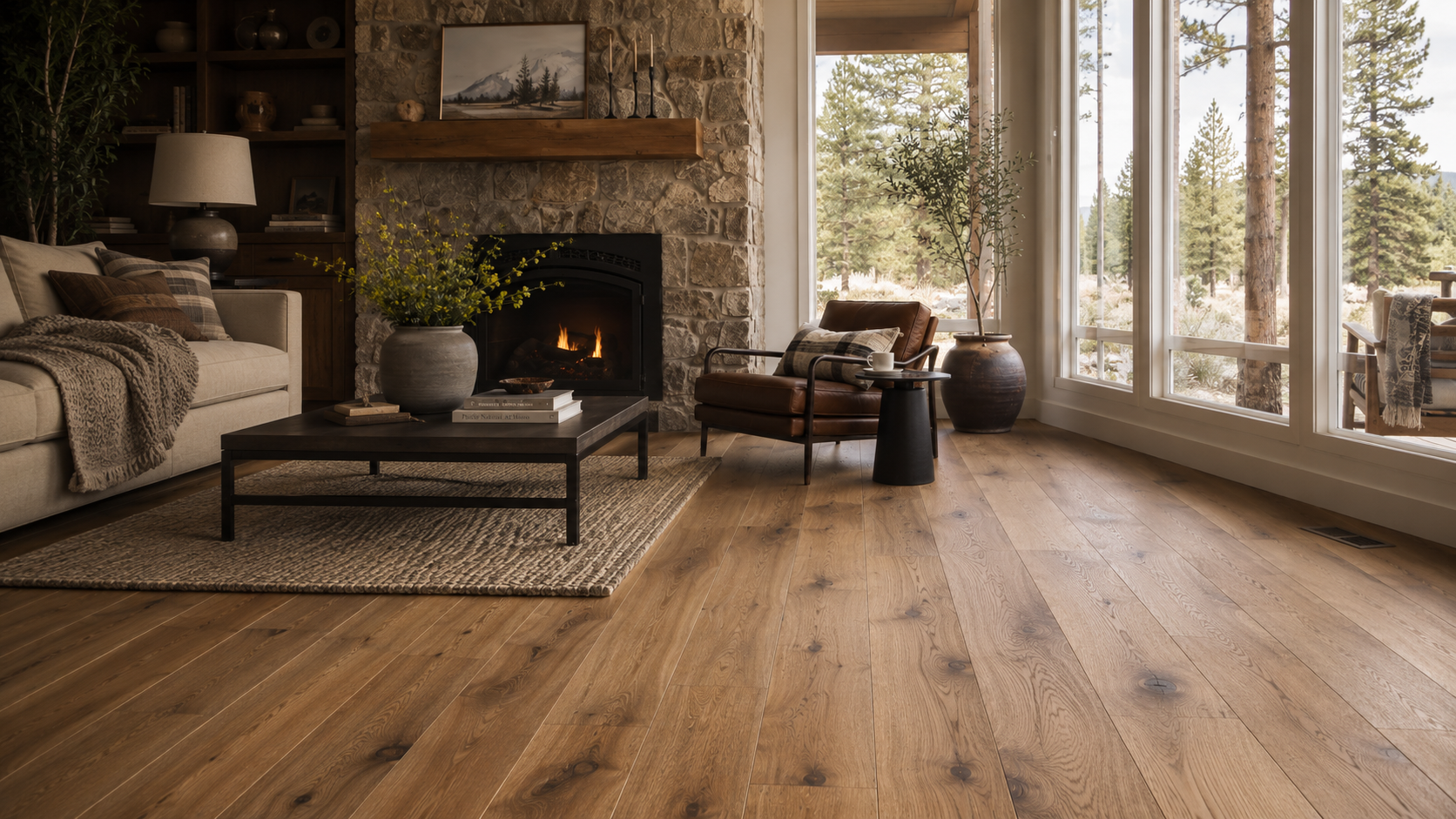
This raw aesthetic aligns with a broader movement toward biophilic design, which seeks to connect indoor spaces with the natural world. In places like Central Oregon, where the environment is a celebrated part of life, this connection is particularly meaningful. Light white oak stains and soft maple tones are among the top choices for achieving this look. These finishes pair beautifully with organic textiles, stone elements, and expansive windows that bring the outside in.

This back-to-nature trend also reflects a rejection of over-processed, artificial-looking finishes. Instead, homeowners are looking to highlight the authenticity and craftsmanship of their hardwood floors, choosing stains that enhance rather than mask the material’s natural beauty.

The Warm Comeback: Honey and Buttery Tones

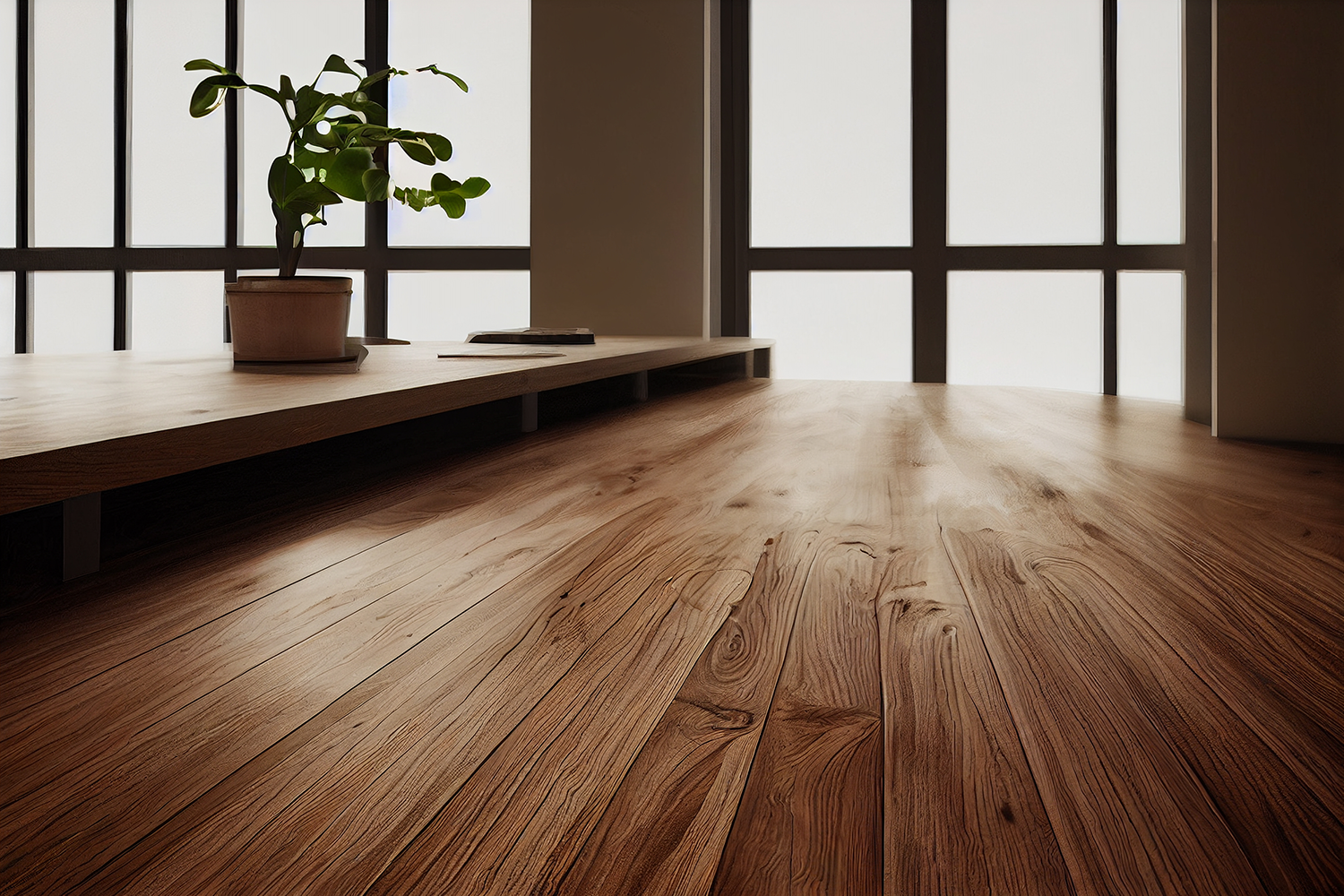
While cool tones and near-raw finishes are certainly at the forefront of the hardwood floor stain conversation, warm stains are making a quiet comeback, albeit in a more refined and toned-down manner than in past decades. Think subtle honey, golden oak, and light caramel hues that offer warmth without overwhelming a space.

These softer warm tones are a far cry from the glossy amber stains of the early 2000s. Today’s interpretations are matte or satin finishes, delivering a more organic and sophisticated effect. The modern warm neutral strikes a perfect chord for homeowners who want a cozier aesthetic while still remaining within the boundaries of a neutral palette.

Such hues are ideal for homes with abundant natural light, which enhances the gentle glow of the wood. In Central Oregon, where many homes feature large windows and open floor plans, these warm stain choices can create a grounded, welcoming atmosphere while staying aligned with broader design trends. They also pair exceptionally well with mixed materials like black steel, aged brass, or concrete, which are common features in modern mountain homes and new builds alike.

Low-Sheen and Matte Finishes: A Textural Revolution

Hardwood floor stain colors are only part of the conversation. The finish, or the topcoat sheen, has become just as significant in determining a floor’s overall aesthetic. Glossy finishes are becoming increasingly rare, as homeowners favor matte or low-sheen looks that convey an organic, understated elegance.

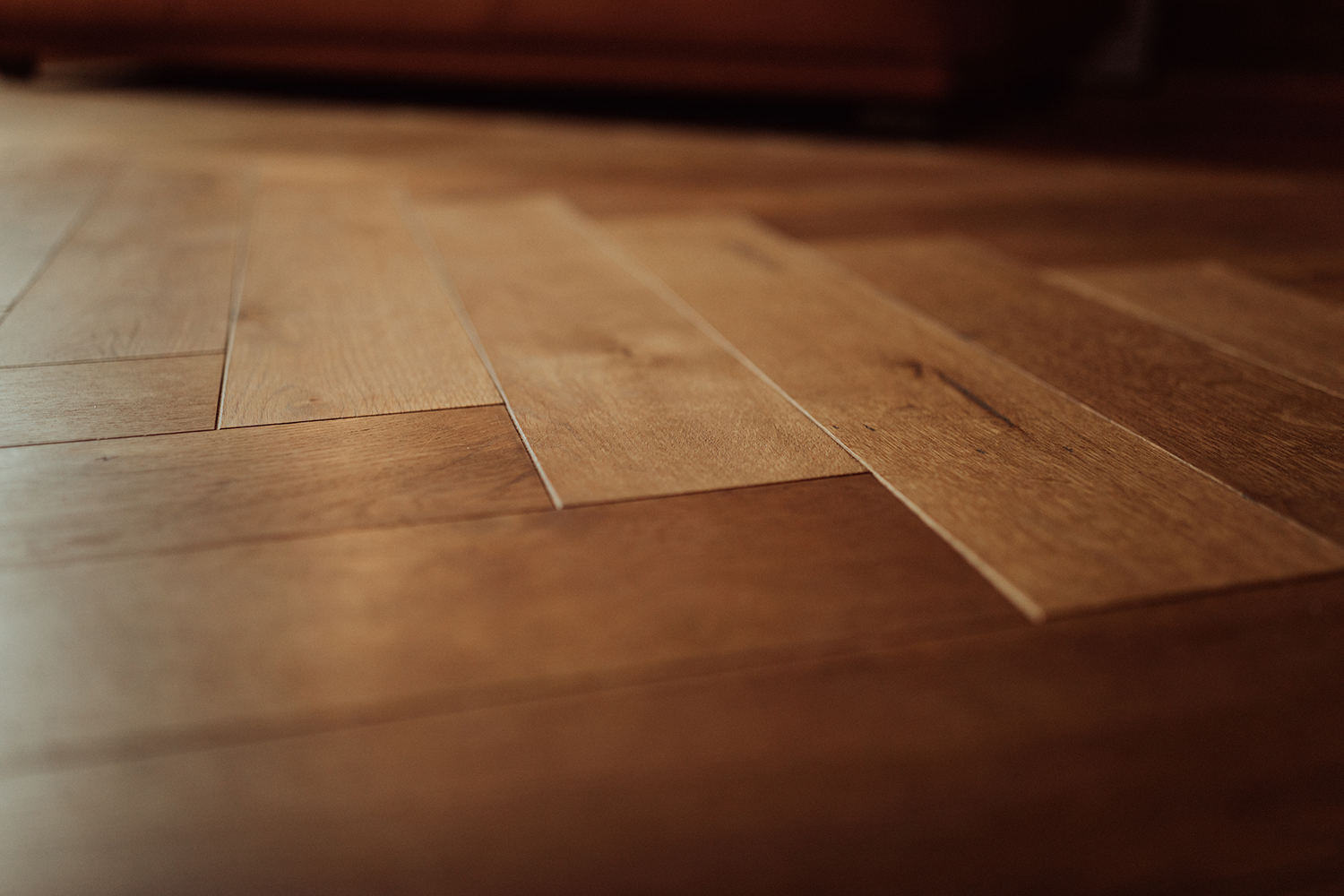
Matte finishes not only reduce glare and highlight natural wood grain, but they also create a more tactile, lived-in feel. They pair beautifully with the new neutral stain colors, giving floors a soft, touchable appearance rather than a slick, polished one. In high-traffic areas, low-sheen finishes are especially practical since they show fewer scratches and less dirt, making them ideal for families with pets or children.

This preference for a muted, textural look is particularly relevant in Central Oregon homes, where practicality often meets aesthetic. From modern townhouses in Bend to mountain retreats near the Cascades, matte finishes enhance the visual flow between interior and exterior spaces, reinforcing a seamless and grounded design narrative.

Eco-Conscious and Custom-Tinted Stains: The Personalization Era

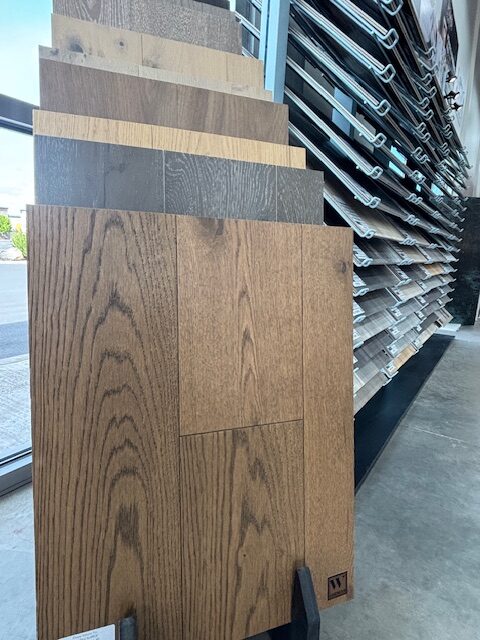
As personalization becomes more central to home design, many homeowners are seeking custom-tinted hardwood floor stains that reflect their unique tastes while still fitting within the broader spectrum of neutral trends. These might include blends of gray and beige, often called “greige,” customized whitewashed tones, or barely-there blondes tailored to the specific wood species in use.

Equally important is the growing demand for eco-conscious stain options. Water-based stains and low-VOC finishes are more popular than ever, aligning with a larger societal shift toward sustainability and health-conscious living. Homeowners in Central Oregon, who often prioritize environmental responsibility, are embracing these greener options without sacrificing style.

Manufacturers and flooring specialists have responded with a range of eco-friendly stains that offer excellent performance and aesthetic appeal. This enables homeowners to choose not only the perfect shade but also a product that aligns with their values. The end result is a floor that is beautiful, durable, and environmentally sound.

Conclusion

The hardwood floor stain landscape is experiencing a thoughtful evolution as we approach 2026. The new neutrals, including subtle grays, raw woods, warm honey tones, and custom blends, are replacing the dominant dark stains of the past. These trending choices reflect a deeper cultural shift toward comfort, sustainability, and authenticity in home design.

In regions like Central Oregon, where lifestyle and environment play a major role in aesthetic preferences, the move toward modern neutral stains is more than just a trend. It is a reflection of how people want to live, with intention, beauty, and harmony with nature. Whether building a new home or renovating an existing space, selecting the right hardwood floor stain can dramatically impact the mood and function of your interiors.

As the industry continues to innovate and homeowners become more design-savvy, one thing is clear. The age of expressive, over-the-top flooring is giving way to a new era of understated elegance. The new neutrals are here, and they are transforming modern homes from the ground up.

Need a Local Flooring Store Near You?

We’d love to help bring your next project to life! At Northwest Tile Supply, Inc., our knowledgeable and friendly team is here to guide you through our wide selection of high-quality stone and porcelain tiles. Whether you’re a contractor tackling a big job or a homeowner planning a renovation, our showroom in Bend is the perfect place to get inspired and find exactly what you need. Give us a call or stop by today—we’re excited to work with you and help make your vision a reality!