

How to Prep Your Subfloor for a Flawless Finish in Central Oregon
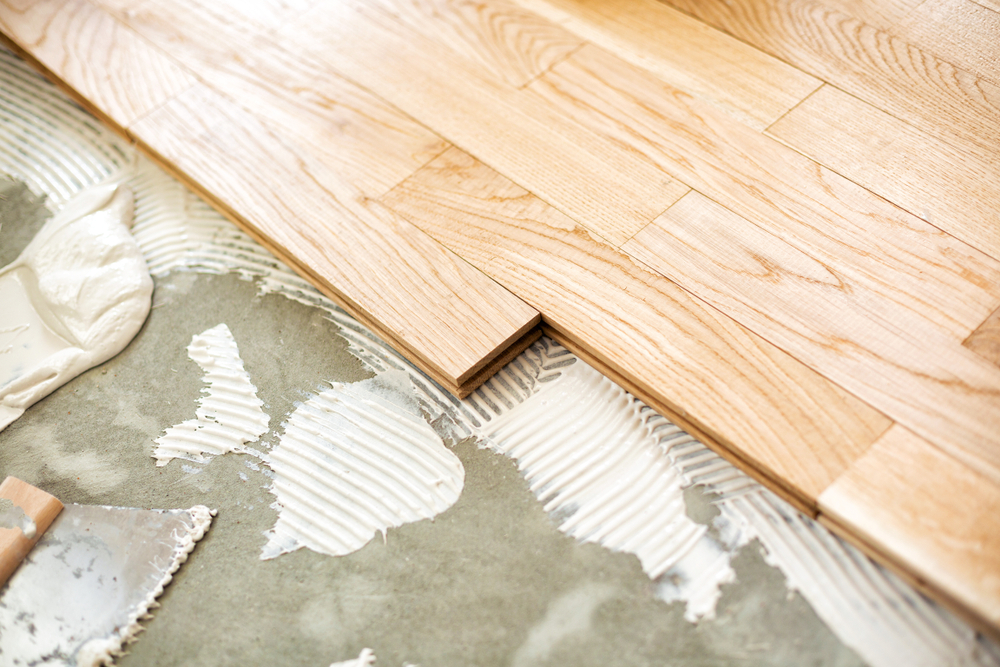
Before installing new flooring in your Central Oregon home, prepping the subfloor is the crucial first step many homeowners underestimate. The subfloor serves as the foundation for your finished floor, and its condition can make or break the final result. In regions like Central Oregon, with its unique climate marked by fluctuating temperatures, seasonal moisture, and dry air, special attention must be given to ensure the subfloor is ready to handle these challenges. Failing to properly prepare your subfloor can lead to uneven surfaces, squeaks, moisture damage, or premature wear of your new flooring.
Subfloors can be made of plywood, concrete, particleboard, or other materials. Regardless of the type, a flawless floor installation starts with a clean, dry, and level surface. Whether you’re laying hardwood, laminate, luxury vinyl, or tile, investing time in preparing your subfloor will improve not only the appearance but also the longevity of your new floors. Especially in Central Oregon, choosing the best subfloor underlayment for Central Oregon climate is essential to prevent expansion, warping, or mold issues.
Inspecting and Cleaning: First Steps to a Sound Subfloor
The first step in preparing your subfloor is a thorough inspection. For plywood subfloors, check for water damage, squeaky spots, loose nails, or rotting wood. Use a flashlight to spot any darkened or moldy areas, and tap on different sections to hear hollow sounds that indicate damage. For concrete subfloors, look for cracks, chips, or signs of moisture seepage.
After inspection, cleaning is next. Sweep and vacuum the entire area to remove dust, debris, and any remaining adhesive or paint. If you’re dealing with a concrete surface, use a degreaser or a concrete-safe cleaning agent to remove oil stains. Any foreign material left behind can interfere with adhesion and cause imperfections in your flooring. Moisture testing is also critical. In Central Oregon, despite the region’s dry air, snowmelt and seasonal rain can lead to unexpected humidity under flooring, especially in basements or slab-on-grade homes. A moisture meter or calcium chloride test will help determine if your subfloor is dry enough to proceed.
This is also the time to fix any squeaks or movement. For wood subfloors, reinforce loose panels with screws or nails, and fill any gaps or low spots with leveling compound or wood filler. Any uneven areas greater than 1/8 inch over 6 feet should be addressed to prevent problems down the line.
Moisture Management: Essential for Central Oregon Homes
One of the biggest threats to flooring longevity is moisture, and this is particularly relevant in Central Oregon where weather patterns can range from dry summers to wet winters. Even in drier months, crawl spaces and slab foundations can trap moisture beneath flooring materials, creating ideal conditions for mold, mildew, and rot. That’s why selecting the best subfloor underlayment for Central Oregon climate is not just an upgrade but a necessity.
Underlayment acts as a barrier between the subfloor and the finished floor, helping to mitigate moisture transfer, cushion foot traffic, and reduce sound. For homes in Central Oregon, look for underlayments that offer built-in vapor barriers or moisture-wicking properties. Products made from closed-cell foam or rubber are often ideal for this environment, especially when installing luxury vinyl plank or laminate.
In cases where moisture levels are high, a dedicated vapor barrier should be installed over the subfloor before laying underlayment. For concrete slabs, applying a moisture-sealing primer or epoxy coat can add extra protection. These steps are particularly important for basements and first floors, which are more likely to encounter groundwater or seasonal moisture fluctuations.
Leveling and Smoothing: Creating the Perfect Surface
Even minor imperfections in the subfloor can lead to major problems in the finished floor. Uneven subfloors can cause planks to separate, tiles to crack, or flooring to wear unevenly over time. Central Oregon’s climate only compounds these issues, as natural expansion and contraction from seasonal changes can stress even slightly raised sections.
For wood subfloors, use a long level or straight edge to find dips and high points. Sand down any ridges and fill low areas with a high-quality patching compound. Plywood seams may need to be sanded or even removed and replaced if they have expanded from moisture. Remember to screw down any loose boards to prevent future squeaking.
For concrete, self-leveling compound is often the best option. These products are poured over the surface and automatically spread to form a smooth, level surface. It’s important to prime the concrete first to ensure proper bonding. Self-levelers can be used to correct both minor and more substantial height variations, but they require adequate curing time before proceeding.
Timing your subfloor prep to align with Central Oregon’s more temperate months (typically late spring or early fall) can help minimize the impact of extreme temperatures and make the leveling process more predictable.
Choosing the Right Underlayment for Central Oregon
With your subfloor now clean, dry, level, and smooth, the next step is selecting an underlayment designed to handle Central Oregon’s variable climate. The best subfloor underlayment for Central Oregon climate should offer moisture resistance, sound absorption, and support for your flooring type.
For hardwood installations, felt or cork underlayments are traditional choices, but engineered foam products have grown in popularity due to their enhanced thermal insulation and mold resistance. For laminate and vinyl plank floors, choose underlayments with attached vapor barriers to guard against seasonal moisture. Multi-layer underlayments that combine foam, film, and fiberglass offer great performance in terms of durability and sound control, especially in multi-story homes.
Tile floors require a different approach altogether. Cement backer boards or uncoupling membranes are ideal for this type of installation. These materials provide a stable base for tile adhesion while also helping to absorb stress from subfloor movement, which can be more pronounced in the Central Oregon region due to temperature fluctuations.
When in doubt, consult with local flooring professionals or manufacturers to ensure your underlayment matches the specific needs of your home’s construction and the floor type you plan to install. The right product will extend the life of your flooring and reduce maintenance costs long term.
Investing in Long-Term Flooring Success
Preparing your subfloor may not be the most glamorous part of a flooring project, but it is undoubtedly the most important. In Central Oregon, where homes are subject to both moisture and dryness depending on the season, overlooking subfloor prep can result in costly repairs or replacements down the line. From initial inspection and cleaning to leveling and underlayment selection, each step is a safeguard for your flooring investment.
By focusing on moisture control and structural stability, and by choosing the best subfloor underlayment for Central Oregon climate, you can create a solid foundation that supports beautiful, lasting results. Whether you’re upgrading a single room or undertaking a full home renovation, giving your subfloor the attention it deserves will ensure your flooring stays flawless for years to come.
Need a Local Flooring Store Near You?
We’d love to help bring your next project to life! At Northwest Tile Supply, Inc., our knowledgeable and friendly team is here to guide you through our wide selection of high-quality stone and porcelain tiles. Whether you’re a contractor tackling a big job or a homeowner planning a renovation, our showroom in Bend is the perfect place to get inspired and find exactly what you need. Give us a call or stop by today—we’re excited to work with you and help make your vision a reality!