

Quartz vs. Granite: The Ultimate Showdown for Kitchen Countertops and Floors
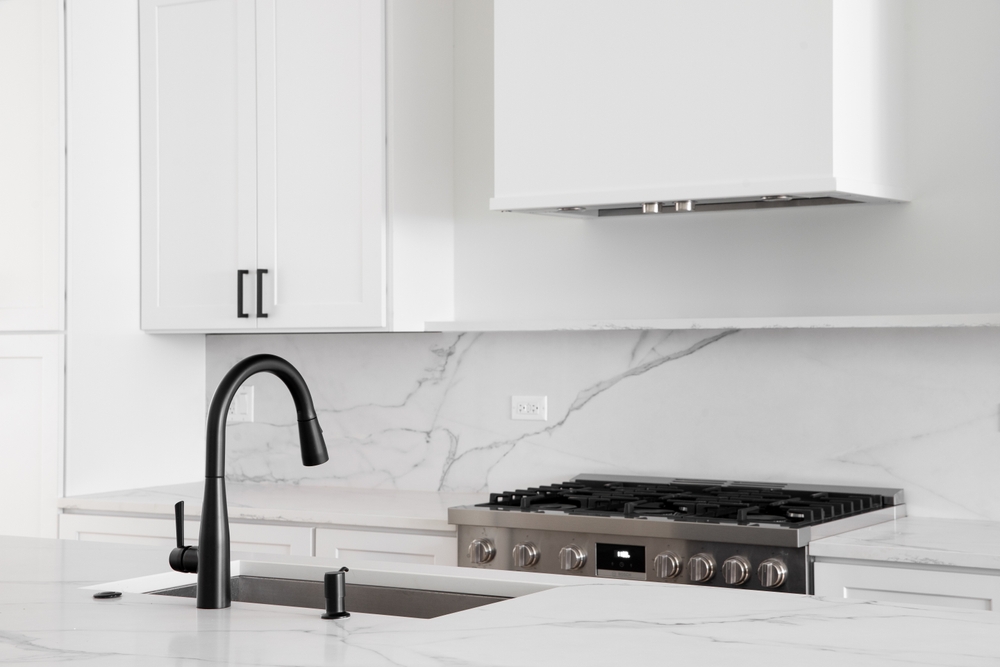
When it comes to designing or remodeling your kitchen or flooring, one of the biggest decisions you’ll face is choosing the right material. Two of the most popular options are quartz and granite, both beloved for their durability, beauty, and long-term value. But which one reigns supreme when it comes to function, style, and cost? The debate of quartz vs. granite has been ongoing for decades, and homeowners in Bend, Oregon, are often caught in the middle of this classic design dilemma. Let’s dive into the details and see how these two natural-looking materials compare across all key areas.
Composition and Appearance
Granite is a 100% natural stone, quarried from the earth in large blocks and then cut into slabs for use in construction. Its beauty lies in its uniqueness. No two granite slabs are ever the same. They vary in color, veining, and mineral composition, giving kitchens and floors a distinct, high-end feel. Granite typically comes in colors like black, white, gray, pink, and green, and its crystalline texture is often visually striking.
Quartz, on the other hand, is an engineered stone. It’s made from crushed natural quartz crystals that are bound together with resin and pigments. The result is a uniform, non-porous surface that mimics the appearance of natural stone while offering a broader range of colors and patterns. While some may prefer the organic randomness of granite, others appreciate the consistency and customization that quartz provides.
In homes across Bend, Oregon, where rustic, natural aesthetics meet modern minimalism, both quartz and granite can fit seamlessly into various design styles. But when it comes to visual consistency for matching large kitchen spaces or open-concept floor plans, quartz often wins out.
Durability and Maintenance
One of the major factors to consider in the quartz vs. granite showdown is how each material performs under daily wear and tear. Kitchens and floors endure a lot: from hot pots to dropped pans, muddy shoes to heavy appliances. Durability, therefore, is non-negotiable.
Granite is incredibly hard and resistant to heat and scratching, but because it’s a natural stone, it is porous. This means it can absorb spills and stains if not properly sealed. Most granite countertops and floors require annual sealing to maintain their resistance to liquids, oils, and bacteria. Neglecting this can result in discoloration or even damage over time.
Quartz, due to its engineered nature, is non-porous and doesn’t require sealing. This makes it a favorite among homeowners who prioritize easy upkeep. It is also highly resistant to staining and less likely to harbor bacteria. However, it is not as heat resistant as granite. Placing a hot pot directly on a quartz surface can cause damage to the resin, which can discolor or warp the material.
In terms of low maintenance, quartz comes out ahead, especially for busy families or individuals who prefer not to worry about periodic resealing or avoiding spills. When comparing low maintenance quartz vs granite cost over time, the upfront investment in quartz may save time and money in future maintenance.
Cost and Value in Bend, Oregon
Cost is always a key consideration, particularly for homeowners planning large-scale renovations or building new homes in high-demand regions like Bend, Oregon. The area has seen a boom in home construction and renovation, so understanding the financial implications of your countertop or flooring choices is essential.
Granite prices can vary widely depending on the rarity of the stone, the origin, and the thickness of the slab. On average, granite can cost anywhere from $40 to $200 per square foot, including installation. Some exotic stones can be even more expensive. The variability in pricing makes granite an option for both budget-conscious and luxury-focused homeowners.
Quartz generally falls in a similar price range, from $50 to $150 per square foot, depending on the brand and design. While the cost difference may not be significant at first glance, the long-term maintenance savings with quartz can make it more cost-effective over time. When comparing low maintenance quartz vs granite cost, it’s important to factor in annual sealing costs for granite, potential repair costs from staining, and the time spent on upkeep.
In Bend, Oregon, where homebuyers are drawn to stylish, functional, and sustainable living, quartz may hold a slight edge in overall value. Its clean lines and durability align well with contemporary Pacific Northwest home design, while granite continues to appeal to those who favor traditional and rustic aesthetics.
Environmental Impact and Sustainability
Sustainability has become a major factor for many homeowners in Bend, Oregon, known for its outdoor lifestyle and eco-conscious community. Choosing building materials that align with environmental values can influence many home design decisions, including countertops and flooring.
Granite, as a natural material, is mined from the earth and then transported, sometimes over long distances, to retailers and fabricators. This extraction process can have a significant environmental footprint, particularly if the stone is sourced internationally. However, some granite varieties are now locally or regionally sourced, reducing transportation emissions.
Quartz, although engineered, can also be a sustainable choice, especially when manufactured by companies that prioritize eco-friendly practices. Because quartz is abundant and often made with recycled materials, it can be considered more environmentally responsible than rare or exotic granite. Additionally, the manufacturing process allows for waste reduction and energy-efficient production methods.
In comparing quartz vs. granite from a green building perspective, quartz often edges ahead. For homeowners in Bend who value sustainability, quartz’s production methods and lower long-term maintenance requirements contribute to its appeal.
Installation and Longevity
Both granite and quartz require professional installation due to their weight and fragility in slab form. Installing either on kitchen counters or flooring involves precise cutting, leveling, and sealing (in the case of granite). Professional installers ensure that seams are minimally visible and that the slabs are properly supported to prevent cracking.
Granite’s natural variability means installation can sometimes be more complex, especially when trying to match patterns across seams. Quartz, with its uniformity, often makes for easier installation in large surface areas, including continuous floor spaces or kitchen islands.
When it comes to lifespan, both materials are excellent choices. Granite has a slight edge in terms of heat resistance and will last for decades with proper care. Quartz is more resilient to staining and bacteria but should be protected from direct heat. Both materials add significant resale value to homes, particularly in a market like Bend, Oregon, where quality finishes are a priority for buyers.
Homeowners who are planning to stay in their homes long-term or want to make an investment that pays off in durability and aesthetic appeal can’t go wrong with either choice. However, the lower maintenance requirements of quartz and its ease of installation can be compelling reasons to choose it over granite.
Conclusion
In the ongoing debate of quartz vs. granite, the answer ultimately depends on your personal preferences, lifestyle needs, and design goals. Granite offers a timeless, natural beauty that appeals to those who appreciate unique, organic patterns and heat resistance. Quartz, on the other hand, provides a modern, low-maintenance solution that excels in stain resistance, uniformity, and eco-friendly manufacturing.
For homeowners in Bend, Oregon, where modern living meets rustic charm, both materials can enhance the beauty and function of any kitchen or floor. However, when comparing low maintenance quartz vs granite cost, quartz often emerges as the winner for those seeking ease of upkeep and long-term savings. It’s the ideal match for busy households, sustainable building goals, and stylish home design.
Whether you opt for the bold elegance of granite or the sleek resilience of quartz, investing in high-quality countertops and floors will elevate your home’s value and enhance your everyday life.
Need a Local Flooring Store Near You?
We’d love to help bring your next project to life! At Northwest Tile Supply, Inc., our knowledgeable and friendly team is here to guide you through our wide selection of high-quality stone and porcelain tiles. Whether you’re a contractor tackling a big job or a homeowner planning a renovation, our showroom in Bend is the perfect place to get inspired and find exactly what you need. Give us a call or stop by today—we’re excited to work with you and help make your vision a reality!
