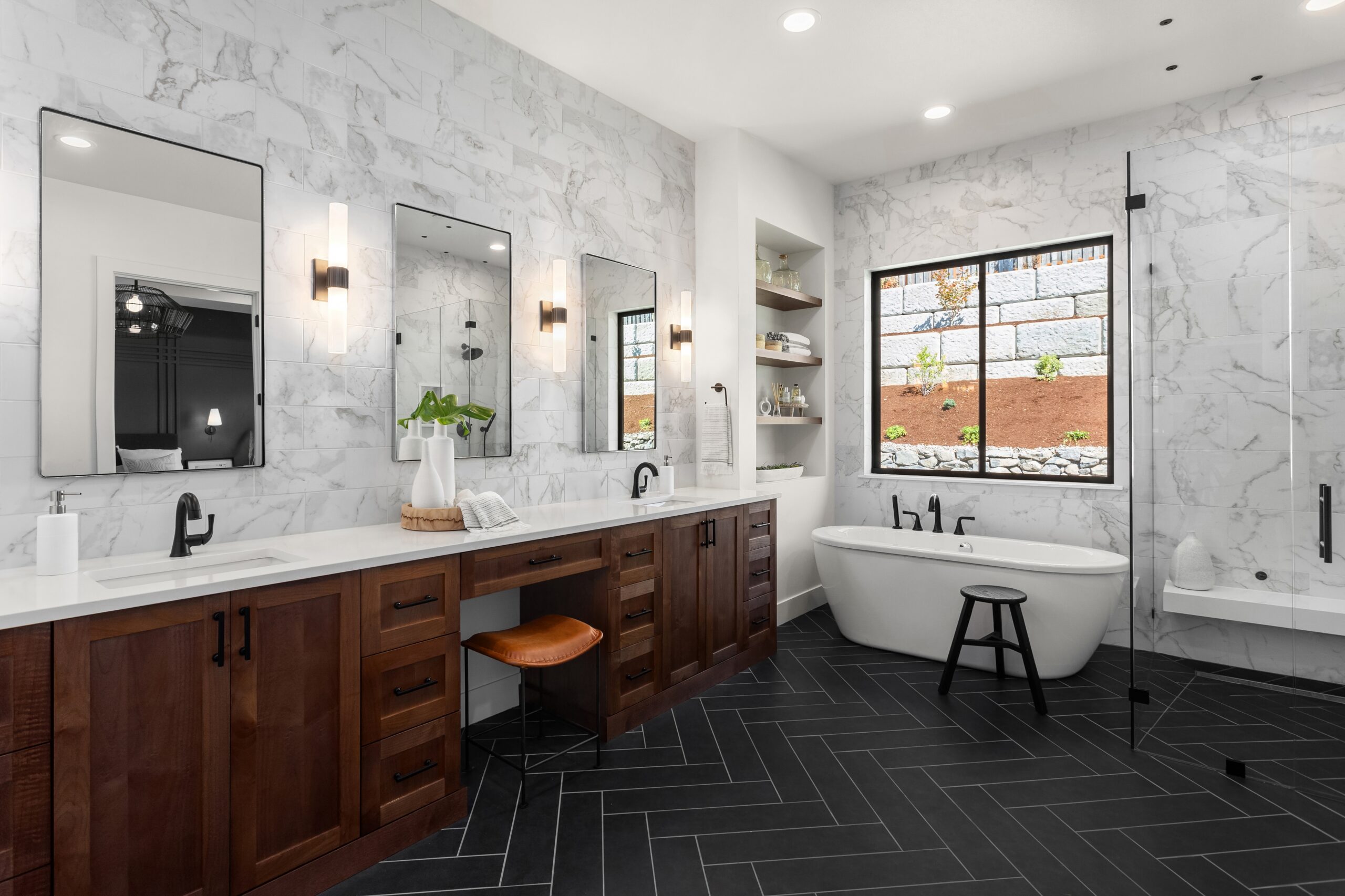
Choosing the right tile is one of the most important decisions you will make. The region’s dramatic climate, with scorching summers, freezing winters, and significant temperature swings between day and night, puts outdoor surfaces through serious stress. Not every tile can handle those conditions.
Understanding which materials perform best in this environment will save you money, prevent safety hazards, and keep your outdoor space looking great for years to come.
Why Central Oregon’s Climate Demands More From Outdoor Tile
Central Oregon sits at a high desert elevation, and the city of Bend is a perfect example of how demanding this environment can be. Bend averages around 150 sunny days per year, but those sunny days come with intense UV exposure and rapid temperature changes. In winter, nighttime temperatures regularly drop well below freezing, and daytime highs can climb back above 40 degrees Fahrenheit within hours.
This repeated cycle of freezing and thawing is the single biggest threat to outdoor tile. When water seeps into a porous tile and then freezes, it expands. Over time, that expansion creates microfractures, which grow larger with each freeze-thaw cycle until the tile chips, cracks, or becomes structurally compromised. Any tile you install on a patio or deck in this region must have a very low water absorption rate, ideally rated as “impervious” or “vitrified,” meaning it absorbs less than 0.5 percent of water by weight. Choosing a tile that fails this standard is not just a cosmetic problem; it becomes a safety and structural issue.
Outdoor Porcelain Pavers: The Gold Standard for Central Oregon
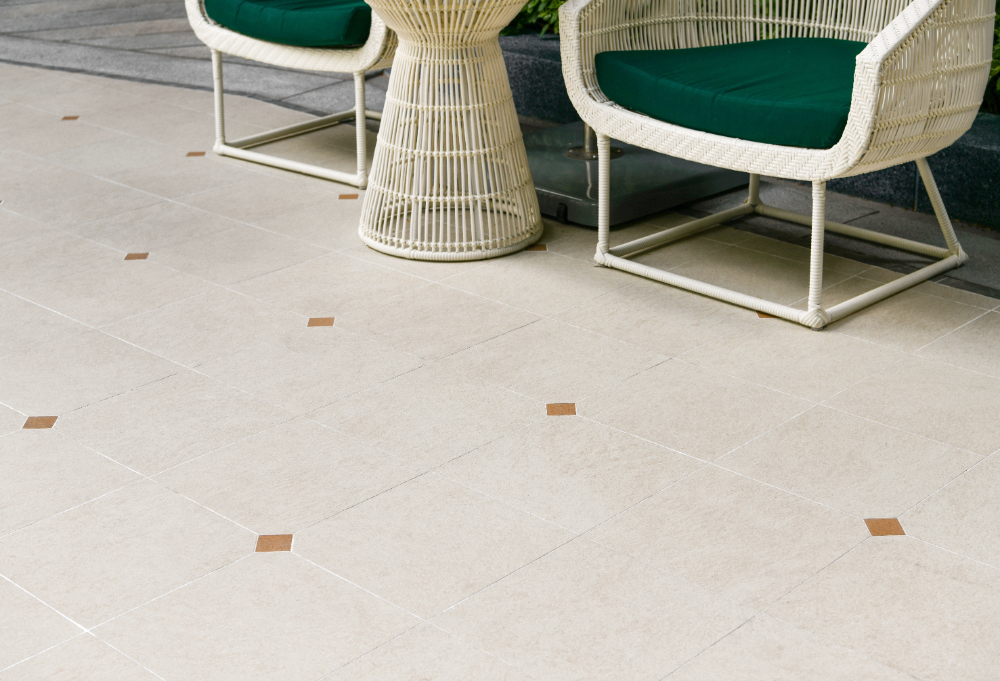
When it comes to patio tile that can handle patio tile freeze-thaw cycles in Central Oregon, outdoor porcelain pavers are widely considered the best all-around choice. Porcelain is made by firing a dense clay mixture at extremely high temperatures, which creates a tile that is nearly impervious to water. This makes it exceptionally resistant to the freeze-thaw damage that plagues other materials in climates like Bend’s.
Outdoor porcelain pavers are specifically manufactured to be thicker than standard interior porcelain, typically 20mm or more, which gives them the structural strength needed to handle foot traffic, patio furniture, and even light vehicle loads. They are also available in an enormous range of finishes, textures, and colors, so you do not have to sacrifice aesthetics for performance. Modern porcelain technology can convincingly replicate the look of natural stone, wood, concrete, and slate without any of the maintenance headaches those materials bring.
Another reason outdoor porcelain pavers are so popular in Bend and surrounding areas is their resistance to fading. UV exposure in Central Oregon is intense, and many materials will bleach or discolor over years of sun exposure. Porcelain holds its color extremely well because the pigment is baked throughout the entire body of the tile, not just applied as a surface coating.
Slip-Resistant Outdoor Tile: A Safety Priority for Patios and Decks
Safety is a non-negotiable factor when selecting tile for any outdoor surface, and Central Oregon conditions make it even more critical. Patios and decks in this region deal with morning dew, rain, snow, ice, and the occasional summer thunderstorm. A tile that becomes slippery when wet is a serious hazard.
When evaluating slip-resistant outdoor tile, look for the DCOF (Dynamic Coefficient of Friction) rating. The American National Standards Institute recommends a DCOF value of at least 0.42 for wet, level surfaces. For outdoor spaces in climates with freeze-thaw cycles and potential ice, many installers and designers prefer a rating even higher. Textured porcelain tiles, brushed stone tiles, and tiles with embossed grip patterns all tend to perform well in this regard.
It is important to note that slip resistance and surface texture also affect maintenance. Heavily textured tiles trap more dirt and organic material, which can require more frequent cleaning. Choosing a tile with moderate texture, enough to provide reliable grip but not so deep that cleaning becomes a chore, is usually the best balance for residential patios in the Bend area.
Exterior Stone Cladding and Natural Stone Options: Beautiful but Demanding
Natural stone has an undeniable appeal for outdoor spaces, and exterior stone cladding remains a popular choice for homeowners who want a more organic, rustic look that fits with Central Oregon’s landscape aesthetic. Materials like slate, travertine, bluestone, and granite each bring their own character to a patio or deck design.
However, natural stone requires significantly more care than porcelain in this climate. Most natural stone is porous to some degree, and without proper sealing, water absorption in a freeze-thaw environment will eventually cause damage. Granite is the most durable of the common natural stone options, with very low porosity, and it can perform well outdoors if sealed regularly. Slate is another solid performer when properly finished and sealed, though it can be prone to flaking if lower grades are used.
Travertine, while stunning in appearance, is a poor choice for Central Oregon patios unless it has been filled, honed, and sealed with a high-quality penetrating sealer, and even then it will require ongoing maintenance. The natural voids in travertine trap water and accelerate freeze-thaw damage faster than most other stone types.
Exterior stone cladding is often used on vertical surfaces such as retaining walls, outdoor kitchen facades, or decorative accent walls rather than as a horizontal paving material. On vertical applications, the freeze-thaw risk is lower because water drains off rather than pooling, and the aesthetic benefits of natural stone can be enjoyed without the durability concerns of using it underfoot.
How to Choose the Right Tile for Your Specific Patio or Deck Project
Selecting the right tile ultimately comes down to matching the material’s performance characteristics to your specific project requirements. If you are tiling a flat, open patio in Bend that will see year-round use, outdoor porcelain pavers in a 20mm or 3cm thickness with a textured, slip-resistant outdoor tile surface is almost always the most practical and durable option.
If you are working on a covered deck or a patio with a roof overhang that significantly reduces direct precipitation and standing water, your material options open up slightly. Even in those situations, however, the freeze-thaw concern does not disappear entirely in Central Oregon. Condensation, snowdrift, and morning frost can still expose covered surfaces to freeze-thaw cycles, so low-absorption tile remains the smart call.
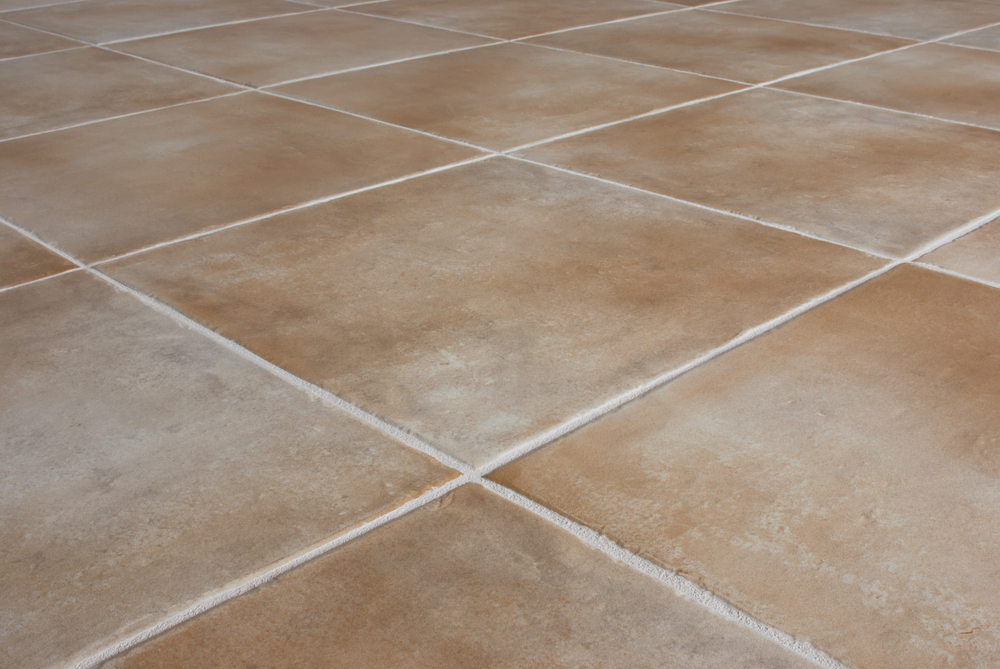
For homeowners who are drawn to the look of natural stone, a porcelain tile printed with a realistic stone texture offers the best of both worlds: the visual warmth of stone combined with the technical performance of porcelain. Many of today’s large-format porcelain tiles are virtually indistinguishable from real stone at a glance, and they will outlast natural stone in this climate by a significant margin.
Before purchasing any tile, confirm its frost-resistance rating with your supplier. Tiles rated PEI Class 3 or higher are appropriate for outdoor use. Ask specifically whether the product has been tested for freeze-thaw resistance according to ASTM standards, as this is the most reliable indicator of how the tile will perform through Central Oregon winters.
Conclusion
Outdoor living in Central Oregon is a genuine pleasure, but the climate demands materials that can take a beating. Outdoor porcelain pavers remain the top recommendation for patios and decks in Bend and across the region, offering superior resistance to patio tile freeze-thaw cycles, excellent slip resistance, and long-term durability. Natural stone and exterior stone cladding can work beautifully in the right applications when properly sealed and maintained. Whatever direction you choose, prioritize water resistance and slip-resistant outdoor tile performance above all else, and your outdoor space will serve you well for decades.
Need a Local Flooring Store Near You?
We’d love to help bring your next project to life! At Northwest Tile Supply, Inc., our knowledgeable and friendly team is here to guide you through our wide selection of high-quality stone and porcelain tiles. Whether you’re a contractor tackling a big job or a homeowner planning a renovation, our showroom in Bend is the perfect place to get inspired and find exactly what you need. Give us a call or stop by today—we’re excited to work with you and help make your vision a reality!
When it comes to tile installation, grout is often an afterthought. Homeowners spend hours selecting the perfect tile, only to rush through the grout selection process. But grout color and type can make or break the final look of your kitchen backsplash, bathroom floor, or outdoor patio. Choosing wisely from the start saves you from costly repairs, endless scrubbing, and the frustration of watching a beautiful tile job turn dingy over time.
Whether you are a homeowner in Bend, OR, or anywhere else in the country, understanding the basics of grout selection is one of the most important tile maintenance tips you can follow.
Understanding the Two Main Types of Grout
Before you can choose the best grout for kitchen backsplash projects or any other tiled surface, you need to understand what separates one grout type from another. The two primary categories are cement-based grout and epoxy grout, and the differences between them go far beyond price.
Cement grout has been the industry standard for decades. It is made from a mixture of Portland cement, water, and sometimes sand, depending on the joint width. It is widely available, easy to work with, and comes in a broad range of colors. However, cement grout is porous by nature. That porosity is exactly what makes it vulnerable to staining. Cooking oils, wine, coffee, and everyday grime can seep into the surface and settle in, making it difficult to clean and even harder to restore to its original color.
Epoxy grout, on the other hand, is a high-performance grout made from epoxy resins and a hardener. It is non-porous, which means liquids and stains cannot penetrate the surface. The epoxy vs cement grout debate has been ongoing in the tile industry for years, and while epoxy grout does require more skill to apply correctly and tends to cost more upfront, its durability is virtually unmatched. For kitchen backsplashes, shower walls, and any surface that sees daily exposure to moisture and food, epoxy grout is the smarter long-term investment.
There is also a hybrid option called urethane grout, which bridges the gap between the two. It is premixed, flexible, and stain-resistant, making it a popular choice among both professionals and DIYers who want performance without the steep learning curve of epoxy application.
How Grout Color Affects Stain Visibility and Maintenance
Grout color matching is one of the most underestimated aspects of tile design. The color you choose does not just affect aesthetics; it directly influences how much time you spend maintaining your tiled surfaces.
Light-colored grout, particularly white and off-white shades, is popular because it gives tile a clean, bright appearance. However, light grout shows staining almost immediately. In a kitchen setting, white grout near a stovetop or sink can go from pristine to stained within just a few months without consistent sealing and cleaning. If you love the look of light grout, the key is pairing it with a high-performance grout formula or applying a penetrating sealer regularly.
Dark grout, such as charcoal, espresso, or slate gray, does a much better job of concealing day-to-day staining. It can make a dramatic visual statement while reducing the burden of upkeep. The trade-off is that dark grout can sometimes show soap residue and mineral deposits in bathrooms, which requires a different kind of attention.
Medium-toned grout colors, like warm beige, tan, or greige, offer the best balance. They blend well with a wide range of tile colors and hide staining far better than white without the boldness of a dark tone. For homeowners considering grout color matching that complements both the tile and the surrounding decor, a medium neutral is often the safest and most practical choice.
The golden rule of grout color: the lighter the grout, the more maintenance it requires. Factor in how much time you realistically want to spend cleaning before committing to a shade.
The Role of Sealing in Stain Prevention
Even if you choose the best grout for kitchen backsplash installation, skipping the sealing step can undermine all of your efforts. Sealing is especially critical for cement-based grout, which remains porous and absorbent even after it has fully cured.
A penetrating sealer soaks into the grout and creates a barrier against moisture, oil, and dirt at the surface level. Most professionals recommend sealing new grout within 48 to 72 hours after installation and allowing the sealer to cure fully before exposing the surface to water or heavy use. After that initial application, resealing every six to twelve months is a standard part of tile maintenance tips that keeps grout looking fresh for years.
For homeowners in Bend, OR, where outdoor tile installations deal with freeze-thaw cycles and seasonal temperature swings, sealing is even more critical. Moisture that penetrates unsealed grout can freeze and expand, causing cracking and deterioration much faster than in milder climates. A quality sealer adds a protective layer that extends the life of your grout considerably, regardless of whether you are dealing with an outdoor patio or an interior kitchen floor.
Epoxy grout, because of its non-porous composition, does not technically require sealing. This is one of its biggest selling points in the epoxy vs cement grout comparison. However, applying a sealer to the tile surface itself (not the grout) can help protect the overall installation and make cleanup even easier.
Choosing Grout for Specific Applications
Not all grout performs equally in every setting, and the best grout for kitchen backsplash projects may not be the same as what works best for a bathroom floor or an outdoor wall. Matching grout type to the demands of each specific application is a key part of making a smart, long-lasting choice.
In kitchens, the primary concerns are stain resistance and ease of cleaning. High-performance grout options, including epoxy and stain-resistant cement formulas, are ideal here. Tile joints in a kitchen backsplash are often narrow (between 1/16 and 1/8 inch), so unsanded grout or fine-sanded options are typically recommended.
In bathrooms, moisture resistance is the top priority. Mold and mildew can grow in porous grout that stays damp, especially in shower enclosures. Epoxy grout or a cement grout with an antimicrobial additive is a strong choice for shower walls and floors. Keeping grout lines tight and consistent also reduces the surface area where mold can gain a foothold.
For floor tiles in high-traffic areas, sanded grout is the standard recommendation because it provides greater strength and resists cracking under the weight and movement of foot traffic. For larger joints (anything over 1/8 inch), sanded grout is almost always necessary to prevent shrinkage and cracking as the grout cures.
In outdoor applications, particularly relevant for homeowners in Bend, OR, where weather extremes are common, flexibility and weather resistance are critical. Some installers recommend a polymer-modified grout for outdoor use because it handles expansion and contraction better than standard cement grout.
Conclusion
Choosing the right grout color and type is not just a cosmetic decision; it is a practical one with long-term consequences for your tile’s appearance and durability. Whether you are weighing epoxy vs cement grout for a new kitchen backsplash, working through grout color matching for a bathroom renovation, or simply looking for reliable tile maintenance tips to protect an existing installation, the choices you make early in the process will determine how your tile holds up for years to come. Take the time to evaluate your specific surface, usage patterns, and maintenance preferences before committing to a grout product. A little extra research upfront goes a long way toward keeping your tile looking its best.
Need a Local Flooring Store Near You?
We’d love to help bring your next project to life! At Northwest Tile Supply, Inc., our knowledgeable and friendly team is here to guide you through our wide selection of high-quality stone and porcelain tiles. Whether you’re a contractor tackling a big job or a homeowner planning a renovation, our showroom in Bend is the perfect place to get inspired and find exactly what you need. Give us a call or stop by today—we’re excited to work with you and help make your vision a reality!
From sprawling master suites to compact guest baths, oversized tiles are showing up everywhere in 2026. But does bigger always mean better, especially when square footage is limited? Homeowners in Bend and across Oregon are asking this very question as they walk into their local modern tile showroom and find themselves drawn to those stunning gauged porcelain panels.
Before you commit to a large slab for your small bathroom, it helps to understand both the advantages and the challenges that come with the territory.
The Visual Case for Going Big in a Small Space
One of the most compelling arguments for using large format tile in a small bathroom is the illusion of space it creates. When you use smaller tiles, the grout lines multiply, and your eye picks up on all that visual noise. The more lines your brain has to process, the more segmented and closed-in a space feels. Large format tile, by contrast, dramatically reduces the number of grout lines, which gives the room a cleaner, more open appearance.
This is where the seamless bathroom tile concept really shines. When tiles are large enough and grout lines are minimal or matched closely in color to the tile itself, the floor or wall reads almost like a single continuous surface. In a bathroom that measures five feet by eight feet, that kind of visual continuity can make the room feel noticeably larger than it actually is. Designers working in Oregon have noted this effect repeatedly, particularly when clients choose a large neutral porcelain that carries the same tone across floors and walls.
Gauged porcelain panels push this concept even further. These ultra-thin, extra-large slabs (sometimes running four feet by ten feet or larger) create an almost uninterrupted surface that mimics natural stone without the weight or maintenance concerns. In a small bathroom, using one continuous panel on an accent wall or behind a floating vanity can become a bold focal point that anchors the entire design.
The Practical Challenges You Cannot Ignore
Now for the honest part. Large format tile is not without its complications, and small bathrooms can actually amplify some of those challenges rather than hide them.
The first hurdle is installation. Thin tile installation, which applies to many gauged porcelain panels, requires a highly skilled installer who understands how to work with fragile, oversized material. These panels can crack if the substrate beneath them is not perfectly flat and properly prepared. In a small bathroom, the tight quarters make maneuvering large tiles more difficult, and cuts around toilets, vanities, and curved walls become more complex and more wasteful in terms of material.
Lippage is another concern. Lippage refers to the slight height difference between the edges of adjacent tiles, and it becomes more visually apparent with larger tiles because the surface area is greater. A floor that is not perfectly level will show lippage more obviously on a 24×48 tile than on a 12×12. Correcting this requires careful floor prep and an experienced installer who takes the time to get it right.
Then there is the issue of waste. In a small bathroom with lots of cutouts and corners, you may end up cutting a significant portion of your material away. Since large format tiles and gauged porcelain panels are more expensive per square foot than standard tiles, those cuts translate directly into higher material costs.
Large Format Tile Trends to Watch in 2026
The good news is that the tile industry has responded to some of these challenges with smarter products and installation systems. In 2026, large format tile trends are moving toward thinner, lighter panels with improved backing systems that make thin tile installation more forgiving without sacrificing the sleek look.
Rectified tiles (tiles that have been precision-cut after firing to ensure consistent dimensions) are increasingly common in the large format category, which helps minimize lippage and allows for tighter grout joints. Many homeowners visiting a modern tile showroom in Bend are discovering that today’s rectified large format options look dramatically better in real life than they did even a few years ago.
Textured surfaces are also trending strongly. Rather than relying purely on glossy slabs, designers are gravitating toward matte and lightly textured large format tiles that add visual interest without overwhelming a small space. These finishes also tend to hide water spots and minor surface imperfections better, which is a practical win in a bathroom environment.
Warm tones and earthy neutrals are defining the 2026 palette for large format tile. Think sandy beiges, warm taupes, and soft terracottas. These colors pair well with the organic, nature-inspired aesthetics that have been popular in Oregon interior design, and they work particularly well in small bathrooms because they feel warm and welcoming rather than cold or clinical.
How to Make It Work: Design Strategies for Small Bathrooms
If you have decided that large format tile is the right choice for your small bathroom, a few design strategies can help you get the most out of the look.
First, consider the orientation of the tile. Running a large rectangular tile vertically on the walls draws the eye upward and makes ceilings feel higher. Running the same tile horizontally can make a narrow room feel wider. Playing with orientation is a simple way to use the tile itself as a design tool.
Second, extend the tile from floor to wall without interruption wherever possible. This is the seamless bathroom tile approach at its most effective. When the same tile flows from the shower floor up the walls and onto the main bathroom floor, the visual boundary between surfaces disappears, and the space expands in the eye of the beholder.
Third, limit your material palette. In a small bathroom, using one large format tile throughout (rather than mixing multiple sizes and colors) keeps things cohesive and calm. You can introduce visual interest through fixtures, hardware, and accessories without fragmenting the space with competing tile patterns.
Finally, work with a knowledgeable professional. Whether you are shopping at a modern tile showroom in Bend or sourcing material online, the input of an experienced designer or installer is invaluable when it comes to large format tile in tight spaces. They can help you calculate waste accurately, select the right installation system for your substrate, and avoid costly mistakes.
Conclusion
Large format tile in a small bathroom is absolutely achievable, and when done well, the results can be stunning. The key is going in with realistic expectations about cost, installation complexity, and material waste. The large format tile trends defining 2026, from gauged porcelain panels to precision-rectified surfaces in warm, earthy tones, offer small bathroom owners more beautiful options than ever before. Whether you are renovating a compact condo bath or updating a modest guest bathroom in Bend or elsewhere in Oregon, the right large format tile, paired with a skilled installer and a thoughtful design plan, can transform a tight space into something that feels both luxurious and expansive.
Need a Local Flooring Store Near You?
We’d love to help bring your next project to life! At Northwest Tile Supply, Inc., our knowledgeable and friendly team is here to guide you through our wide selection of high-quality stone and porcelain tiles. Whether you’re a contractor tackling a big job or a homeowner planning a renovation, our showroom in Bend is the perfect place to get inspired and find exactly what you need. Give us a call or stop by today—we’re excited to work with you and help make your vision a reality!
If you live on South Century Drive, near Shevlin Park, or in a quiet pocket of Sunriver where the pines press right up against your backyard, you already know something city dwellers do not. Living on the edge of the Deschutes National Forest is beautiful, but it is not gentle on your home.
Fine volcanic sand clings to hiking shoes. Pine needles hitch rides on dog fur. Sticky sap drops from boots onto living room floors. Cabin decks funnel grit straight into entryways. Over time, these small, daily invasions leave their mark. Scratches. Dull finishes. Stains that refuse to budge.
For edge-of-town homeowners, outdoor hobbyists, and second-home owners, the question is not whether nature will come inside. It is how to choose flooring that can handle it. If you are searching for the best flooring for homes in wooded areas in Bend, OR, the answer lies in a combination of texture, durability, and smart design. At Northwest Tile Supply, we specialize in materials and installation strategies built specifically for forest living in Central Oregon.
The Forest Effect: Why Standard Floors Fail in Bend’s Wooded Areas
Homes near the Deschutes National Forest face unique challenges. Unlike urban environments, where dust and light debris are the primary concerns, forest-edge homes contend with constant organic material and abrasive grit.
Volcanic sand acts like fine sandpaper underfoot. Even small amounts can dull smooth finishes over time. Pine needles, though seemingly harmless, carry tiny particles that grind against surfaces when stepped on. Add moisture from snowmelt or early morning dew, and that grit becomes even more abrasive.
For mountain bikers, trail runners, and hikers, the problem intensifies. Shoes and gear bring in red cinder dust from trails. Resin from pine trees sticks to soles and transfers indoors. Cabin and vacation rental owners see even more wear, as guests transition repeatedly from deck to living room without always pausing to clean footwear.
Traditional high-gloss hardwood and deep-pile carpet rarely survive long under these conditions. Gloss finishes highlight every scratch. Carpets trap pine needles deep in fibers, turning routine cleaning into a weekly chore.
Understanding these realities is the first step toward choosing the best flooring for homes in wooded areas in Bend, OR. The right material must embrace the forest lifestyle rather than fight it.
Texture as a Secret Weapon: Hiding Wear Before It Happens
One of the most overlooked strategies for forest homes is choosing flooring with texture and visual camouflage. Wire-brushed and distressed finishes are not just design trends. They are practical solutions for High Desert living.
Wire-brushed hardwood features subtle ridges that follow the grain of the wood. These textures help mask small scratches and fine sand marks that would be glaringly obvious on a smooth surface. Distressed finishes offer natural character, so minor dings blend into the aesthetic rather than standing out.
Luxury vinyl plank with embossed textures provides a similar advantage. When paired with wood-look visuals that incorporate natural variation, these floors disguise everyday wear beautifully. For homeowners who prioritize low maintenance, this means less stress over every scuff.
At Northwest Tile Supply, we guide clients toward finishes that align with both their style and lifestyle. Forest homes benefit from mid-tone hues and grain variation that naturally conceal grit. Our showroom features Bend-proof samples chosen specifically for properties bordering wooded areas.
The goal is not to eliminate wear entirely. It is to choose materials that age gracefully in an environment where nature is always present.
Superior Sealants: Guarding Against Pine Sap and Red Cinder Dust
Beyond texture, the finish layer plays a critical role in durability. Pine sap and red cinder dust can stain or embed into lower-quality surfaces. Once that happens, the damage may be permanent.
High-performance topcoats such as ceramic bead or aluminum oxide finishes provide a protective shield. These advanced sealants increase scratch resistance and reduce the likelihood of staining. They create a barrier that resists moisture and sticky residues, making cleanup faster and more effective.
For homes in Sunriver or near Shevlin Park, this level of protection is essential. Snow tracked inside during winter months often melts near entryways, creating a mix of moisture and grit. Without proper sealing, that combination can seep into seams or leave visible marks.
Northwest Tile Supply offers products engineered for these exact conditions. We prioritize brands known for high-quality wear layers and superior sealants. When clients ask about the best flooring for homes in wooded areas in Bend, OR, we focus not just on appearance but on finish technology.
A beautiful floor is important. A floor that remains beautiful after years of forest traffic is even more so.
Smart Transitions: Designing Entryways That Work
Flooring performance does not rely on materials alone. Layout and transition design matter just as much. Forest homes benefit greatly from intentional drop zones that trap grit before it spreads throughout the main living area.
Custom tile or stone entryways create a durable buffer between outdoors and indoors. These surfaces handle heavy wear and are easy to sweep clean. From there, transitions into luxury vinyl plank or hardwood should be seamless but strategic.
At Northwest Tile Supply, we help design integrated entry solutions that suit your home’s architecture. For example, a slate-look porcelain tile in the mudroom can flow naturally into a textured LVP in the living area. This creates a visual distinction while protecting the most trafficked zones.
Cabin and second-home owners especially benefit from this approach. Guests moving in and out with gear may not follow strict no-shoes policies. A well-designed entry transition absorbs much of that impact.
For edge-of-town homeowners, thoughtful design reduces daily maintenance. Instead of constantly vacuuming pine needles from every corner, debris is contained near the entrance.
Sustainable Choices for Forest Living
Many Bend residents choose to live near the National Forest because they value the environment. Flooring decisions can reflect that same ethos.
FSC-certified wood options ensure responsible forest management practices. Recycled-content luxury vinyl and tile products reduce material waste. Selecting durable materials that last longer also supports sustainability by minimizing replacement cycles.
At Northwest Tile Supply, we understand that eco-conscious values are important to many of our clients. We offer products that align with the “Keep Bend Central Oregon” spirit. Living near the forest often deepens appreciation for natural resources, and your home’s interior can reflect that respect.
Sustainability does not mean sacrificing durability. In fact, many of the most resilient flooring products today are designed with both performance and environmental responsibility in mind.
Choosing the best flooring for homes in wooded areas in Bend, OR requires more than browsing a catalog. It demands local knowledge. Our team members live this lifestyle. We know what it means to track in sand after a Phil’s Trail ride or sweep pine needles off a Shevlin Park deck.
When you visit our showroom, you are not just viewing samples. You are seeing materials tested against Central Oregon’s real-world conditions. We help you select textures that hide wear, sealants that resist staining, and transitions that contain debris before it spreads.
Living on the edge of the Deschutes National Forest is a privilege. Your floors should be built to handle it. With the right materials and thoughtful design, your home can embrace the forest without being worn down by it.
Living in Bend means you probably don’t tiptoe through life. You head out before sunrise for a skin up Mount Bachelor. You load the truck with bikes and head to Phil’s Trail. You let the dog sprint through the Deschutes and shake off somewhere between the driveway and the kitchen. It is part of what makes Bend special. However, it is also tough on your floors.
Mud, melting snow, and the fine volcanic cinders that define Central Oregon can quietly destroy delicate materials. Scratches from gravel, water damage near entryways, and warping from seasonal dryness are common complaints for homeowners across Northwest Crossing, Tetherow, and neighborhoods on both sides of town. If you are searching for the best waterproof flooring for snow and mud in Bend, OR, you are not alone.
At Northwest Tile Supply, we see firsthand what happens when flooring is chosen for looks alone instead of lifestyle. The good news is that you do not have to sacrifice style for durability. With the right materials, installation methods, and climate expertise, your home can handle Bend’s elements without losing its mountain modern edge.
Bend’s Unique Flooring Enemies: Snow, Cinders, and High Desert Air
Not all climates are created equal. Bend’s combination of winter snow, shoulder-season mud, and year-round volcanic grit creates a unique set of challenges for interior surfaces. The cinders and sandy soil found on local trails are particularly abrasive. When tracked indoors, they act like fine sandpaper against traditional hardwood and low-quality laminate.
Add melting snow from ski boots sitting by the door, and you introduce moisture that seeps into seams and subfloors. Even if you wipe it up quickly, repeated exposure can lead to swelling or staining. Dog owners know this scenario well. Wet paws, energetic zoomies, and the occasional accident all test a floor’s resilience.
Then there is Bend’s low humidity. High desert air can cause certain materials to shrink, gap, or crack if they are not properly acclimated before installation. National big box retailers may sell flooring designed for more humid regions, but without local knowledge, those products often fail prematurely here.
Understanding these local hazards is the first step in choosing the best waterproof flooring for snow and mud in Bend, OR. It is not just about water resistance. It is about abrasion resistance, proper installation, and climate compatibility.
Cinder-Tested Durability: What Actually Holds Up
For active adventurers and property managers alike, durability is non-negotiable. Floors must withstand bike cleats, ski boots, dog nails, and constant foot traffic. One of the most reliable solutions in Bend homes today is high-quality luxury vinyl plank with a 20mil or greater wear layer.
Not all vinyl flooring is equal. Lower-grade options may look appealing at first, but their thin wear layers scratch easily under abrasive debris. At Northwest Tile Supply, we carry brands specifically chosen for their cinder-tested durability. These products are engineered to resist the fine volcanic rock and sand common in Central Oregon.
Porcelain tile is another strong contender, especially in entryways and mudrooms. Properly installed tile resists scratches, handles moisture, and provides long-term performance. For mountain modern homeowners who want a high-end aesthetic, large-format porcelain can mimic natural stone or wood without the maintenance headaches.
When customers visit our showroom, they can see Bend-proof samples that have been real-world tested. These are not theoretical solutions. Our team members live the same outdoor lifestyle. We know what works in a Westside bungalow versus an Eastside ranch because we have lived it ourselves.
Moisture-Resistant Installation Makes the Difference
Even the most durable flooring can fail if it is not installed correctly. In Bend, proper moisture-resistant installation is critical. Snow melts. Wet gear drips. Dogs shake off river water. Entryways become high-risk zones.
A high-quality moisture barrier beneath the flooring protects the subfloor from water infiltration. Without it, repeated exposure to moisture can lead to mold growth or structural damage. Seam sealing and proper edge detailing further reduce risk in high-traffic areas.
Northwest Tile Supply emphasizes installation techniques designed specifically for Bend’s conditions. We understand that entryways and mudrooms need extra attention. Expansion gaps must be properly calculated to account for temperature fluctuations. Subfloors must be prepared carefully to ensure long-term stability.
For short-term rental owners managing Airbnbs, this level of installation detail protects ROI. Guests do not always remove boots. Skis may lean against walls. Flooring must withstand constant turnover without requiring frequent repairs.
Choosing the best waterproof flooring for snow and mud in Bend, OR, is only part of the equation. Installing it with Bend’s climate in mind is what ensures lasting performance.
Local Climate Acclimation: The Hidden Key to Longevity
Bend’s dry air surprises many new homeowners. Materials that perform well in coastal or humid environments may shrink or gap here. Hardwood flooring, in particular, is vulnerable if not properly acclimated.
Before installation, flooring materials should be allowed to adjust to the home’s interior humidity levels. This process reduces the risk of expansion and contraction issues later. Unfortunately, rushed installations from national chains often skip this step.
At Northwest Tile Supply, climate acclimation is standard practice. We understand how Central Oregon’s dry winters and mild summers affect materials over time. By taking the time to properly acclimate flooring before installation, we prevent the shrinking and cracking that can undermine an otherwise beautiful floor.
This attention to detail is especially important for mountain modern homeowners investing in high-end finishes. The aesthetic should remain as impressive years later as it did on installation day.
Style Meets Function in Bend Homes
Durability does not mean sacrificing design. Bend’s architectural styles range from cozy craftsman cottages to sleek modern builds in Tetherow. The best waterproof flooring for snow and mud in Bend, OR should complement these aesthetics while standing up to real life.
Luxury vinyl plank now offers realistic wood textures and wide-plank visuals that align perfectly with mountain modern design. Porcelain tile comes in finishes that echo basalt, slate, and other natural elements found throughout Central Oregon.
For active adventurers, easy cleanup is just as important as appearance. Floors should handle a quick sweep of cinders and a damp mop after a snowy day without special treatments. Dog owners need surfaces that resist scratches and clean up easily after muddy trail runs.
At Northwest Tile Supply, our showroom reflects these priorities. We invite customers to explore samples that have been chosen for Bend’s unique environment. Our staff are locals who ski, hike, bike, and paddle just like you. We understand that your home is both a sanctuary and a basecamp.
When you choose flooring designed specifically for Bend living, you protect your investment and preserve your lifestyle. Mud, snow, and cinders are not going away. However, with the right materials and expert installation, they do not have to win.
If you’re ready to upgrade your floors, visit Northwest Tile Supply and see what Bend-proof really looks like. Your home deserves materials that can handle the High Desert while still reflecting the beauty of Central Oregon.