

How Do You Choose the Right Grout Color and Type to Prevent Staining?
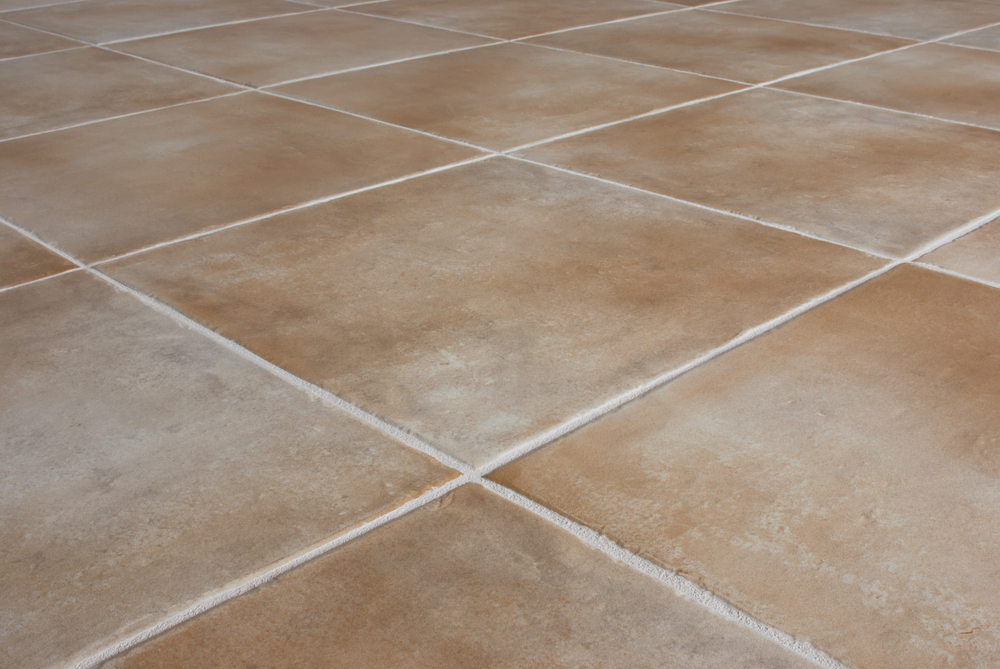
When it comes to tile installation, grout is often an afterthought. Homeowners spend hours selecting the perfect tile, only to rush through the grout selection process. But grout color and type can make or break the final look of your kitchen backsplash, bathroom floor, or outdoor patio. Choosing wisely from the start saves you from costly repairs, endless scrubbing, and the frustration of watching a beautiful tile job turn dingy over time.
Whether you are a homeowner in Bend, OR, or anywhere else in the country, understanding the basics of grout selection is one of the most important tile maintenance tips you can follow.
Understanding the Two Main Types of Grout
Before you can choose the best grout for kitchen backsplash projects or any other tiled surface, you need to understand what separates one grout type from another. The two primary categories are cement-based grout and epoxy grout, and the differences between them go far beyond price.
Cement grout has been the industry standard for decades. It is made from a mixture of Portland cement, water, and sometimes sand, depending on the joint width. It is widely available, easy to work with, and comes in a broad range of colors. However, cement grout is porous by nature. That porosity is exactly what makes it vulnerable to staining. Cooking oils, wine, coffee, and everyday grime can seep into the surface and settle in, making it difficult to clean and even harder to restore to its original color.
Epoxy grout, on the other hand, is a high-performance grout made from epoxy resins and a hardener. It is non-porous, which means liquids and stains cannot penetrate the surface. The epoxy vs cement grout debate has been ongoing in the tile industry for years, and while epoxy grout does require more skill to apply correctly and tends to cost more upfront, its durability is virtually unmatched. For kitchen backsplashes, shower walls, and any surface that sees daily exposure to moisture and food, epoxy grout is the smarter long-term investment.
There is also a hybrid option called urethane grout, which bridges the gap between the two. It is premixed, flexible, and stain-resistant, making it a popular choice among both professionals and DIYers who want performance without the steep learning curve of epoxy application.
How Grout Color Affects Stain Visibility and Maintenance
Grout color matching is one of the most underestimated aspects of tile design. The color you choose does not just affect aesthetics; it directly influences how much time you spend maintaining your tiled surfaces.
Light-colored grout, particularly white and off-white shades, is popular because it gives tile a clean, bright appearance. However, light grout shows staining almost immediately. In a kitchen setting, white grout near a stovetop or sink can go from pristine to stained within just a few months without consistent sealing and cleaning. If you love the look of light grout, the key is pairing it with a high-performance grout formula or applying a penetrating sealer regularly.
Dark grout, such as charcoal, espresso, or slate gray, does a much better job of concealing day-to-day staining. It can make a dramatic visual statement while reducing the burden of upkeep. The trade-off is that dark grout can sometimes show soap residue and mineral deposits in bathrooms, which requires a different kind of attention.
Medium-toned grout colors, like warm beige, tan, or greige, offer the best balance. They blend well with a wide range of tile colors and hide staining far better than white without the boldness of a dark tone. For homeowners considering grout color matching that complements both the tile and the surrounding decor, a medium neutral is often the safest and most practical choice.
The golden rule of grout color: the lighter the grout, the more maintenance it requires. Factor in how much time you realistically want to spend cleaning before committing to a shade.
The Role of Sealing in Stain Prevention
Even if you choose the best grout for kitchen backsplash installation, skipping the sealing step can undermine all of your efforts. Sealing is especially critical for cement-based grout, which remains porous and absorbent even after it has fully cured.
A penetrating sealer soaks into the grout and creates a barrier against moisture, oil, and dirt at the surface level. Most professionals recommend sealing new grout within 48 to 72 hours after installation and allowing the sealer to cure fully before exposing the surface to water or heavy use. After that initial application, resealing every six to twelve months is a standard part of tile maintenance tips that keeps grout looking fresh for years.
For homeowners in Bend, OR, where outdoor tile installations deal with freeze-thaw cycles and seasonal temperature swings, sealing is even more critical. Moisture that penetrates unsealed grout can freeze and expand, causing cracking and deterioration much faster than in milder climates. A quality sealer adds a protective layer that extends the life of your grout considerably, regardless of whether you are dealing with an outdoor patio or an interior kitchen floor.
Epoxy grout, because of its non-porous composition, does not technically require sealing. This is one of its biggest selling points in the epoxy vs cement grout comparison. However, applying a sealer to the tile surface itself (not the grout) can help protect the overall installation and make cleanup even easier.
Choosing Grout for Specific Applications
Not all grout performs equally in every setting, and the best grout for kitchen backsplash projects may not be the same as what works best for a bathroom floor or an outdoor wall. Matching grout type to the demands of each specific application is a key part of making a smart, long-lasting choice.
In kitchens, the primary concerns are stain resistance and ease of cleaning. High-performance grout options, including epoxy and stain-resistant cement formulas, are ideal here. Tile joints in a kitchen backsplash are often narrow (between 1/16 and 1/8 inch), so unsanded grout or fine-sanded options are typically recommended.
In bathrooms, moisture resistance is the top priority. Mold and mildew can grow in porous grout that stays damp, especially in shower enclosures. Epoxy grout or a cement grout with an antimicrobial additive is a strong choice for shower walls and floors. Keeping grout lines tight and consistent also reduces the surface area where mold can gain a foothold.
For floor tiles in high-traffic areas, sanded grout is the standard recommendation because it provides greater strength and resists cracking under the weight and movement of foot traffic. For larger joints (anything over 1/8 inch), sanded grout is almost always necessary to prevent shrinkage and cracking as the grout cures.
In outdoor applications, particularly relevant for homeowners in Bend, OR, where weather extremes are common, flexibility and weather resistance are critical. Some installers recommend a polymer-modified grout for outdoor use because it handles expansion and contraction better than standard cement grout.
Conclusion
Choosing the right grout color and type is not just a cosmetic decision; it is a practical one with long-term consequences for your tile’s appearance and durability. Whether you are weighing epoxy vs cement grout for a new kitchen backsplash, working through grout color matching for a bathroom renovation, or simply looking for reliable tile maintenance tips to protect an existing installation, the choices you make early in the process will determine how your tile holds up for years to come. Take the time to evaluate your specific surface, usage patterns, and maintenance preferences before committing to a grout product. A little extra research upfront goes a long way toward keeping your tile looking its best.
Need a Local Flooring Store Near You?
We’d love to help bring your next project to life! At Northwest Tile Supply, Inc., our knowledgeable and friendly team is here to guide you through our wide selection of high-quality stone and porcelain tiles. Whether you’re a contractor tackling a big job or a homeowner planning a renovation, our showroom in Bend is the perfect place to get inspired and find exactly what you need. Give us a call or stop by today—we’re excited to work with you and help make your vision a reality!