

What Are the Pros and Cons of Using Large Format Tile in Small Bathrooms?
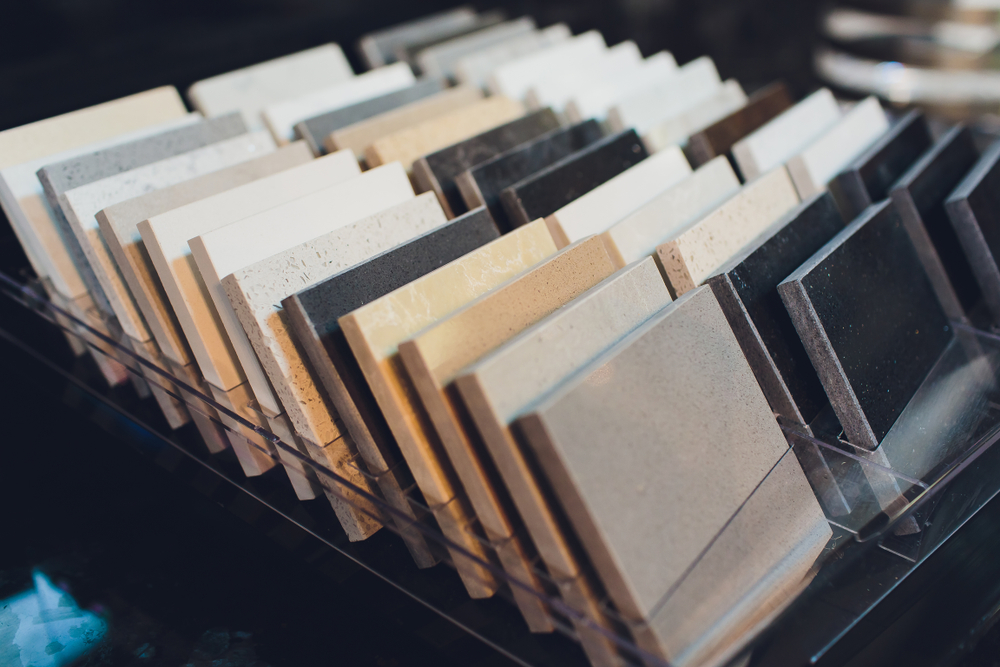
From sprawling master suites to compact guest baths, oversized tiles are showing up everywhere in 2026. But does bigger always mean better, especially when square footage is limited? Homeowners in Bend and across Oregon are asking this very question as they walk into their local modern tile showroom and find themselves drawn to those stunning gauged porcelain panels.
Before you commit to a large slab for your small bathroom, it helps to understand both the advantages and the challenges that come with the territory.
The Visual Case for Going Big in a Small Space
One of the most compelling arguments for using large format tile in a small bathroom is the illusion of space it creates. When you use smaller tiles, the grout lines multiply, and your eye picks up on all that visual noise. The more lines your brain has to process, the more segmented and closed-in a space feels. Large format tile, by contrast, dramatically reduces the number of grout lines, which gives the room a cleaner, more open appearance.
This is where the seamless bathroom tile concept really shines. When tiles are large enough and grout lines are minimal or matched closely in color to the tile itself, the floor or wall reads almost like a single continuous surface. In a bathroom that measures five feet by eight feet, that kind of visual continuity can make the room feel noticeably larger than it actually is. Designers working in Oregon have noted this effect repeatedly, particularly when clients choose a large neutral porcelain that carries the same tone across floors and walls.
Gauged porcelain panels push this concept even further. These ultra-thin, extra-large slabs (sometimes running four feet by ten feet or larger) create an almost uninterrupted surface that mimics natural stone without the weight or maintenance concerns. In a small bathroom, using one continuous panel on an accent wall or behind a floating vanity can become a bold focal point that anchors the entire design.
The Practical Challenges You Cannot Ignore
Now for the honest part. Large format tile is not without its complications, and small bathrooms can actually amplify some of those challenges rather than hide them.
The first hurdle is installation. Thin tile installation, which applies to many gauged porcelain panels, requires a highly skilled installer who understands how to work with fragile, oversized material. These panels can crack if the substrate beneath them is not perfectly flat and properly prepared. In a small bathroom, the tight quarters make maneuvering large tiles more difficult, and cuts around toilets, vanities, and curved walls become more complex and more wasteful in terms of material.
Lippage is another concern. Lippage refers to the slight height difference between the edges of adjacent tiles, and it becomes more visually apparent with larger tiles because the surface area is greater. A floor that is not perfectly level will show lippage more obviously on a 24×48 tile than on a 12×12. Correcting this requires careful floor prep and an experienced installer who takes the time to get it right.
Then there is the issue of waste. In a small bathroom with lots of cutouts and corners, you may end up cutting a significant portion of your material away. Since large format tiles and gauged porcelain panels are more expensive per square foot than standard tiles, those cuts translate directly into higher material costs.
Large Format Tile Trends to Watch in 2026
The good news is that the tile industry has responded to some of these challenges with smarter products and installation systems. In 2026, large format tile trends are moving toward thinner, lighter panels with improved backing systems that make thin tile installation more forgiving without sacrificing the sleek look.
Rectified tiles (tiles that have been precision-cut after firing to ensure consistent dimensions) are increasingly common in the large format category, which helps minimize lippage and allows for tighter grout joints. Many homeowners visiting a modern tile showroom in Bend are discovering that today’s rectified large format options look dramatically better in real life than they did even a few years ago.
Textured surfaces are also trending strongly. Rather than relying purely on glossy slabs, designers are gravitating toward matte and lightly textured large format tiles that add visual interest without overwhelming a small space. These finishes also tend to hide water spots and minor surface imperfections better, which is a practical win in a bathroom environment.
Warm tones and earthy neutrals are defining the 2026 palette for large format tile. Think sandy beiges, warm taupes, and soft terracottas. These colors pair well with the organic, nature-inspired aesthetics that have been popular in Oregon interior design, and they work particularly well in small bathrooms because they feel warm and welcoming rather than cold or clinical.
How to Make It Work: Design Strategies for Small Bathrooms
If you have decided that large format tile is the right choice for your small bathroom, a few design strategies can help you get the most out of the look.
First, consider the orientation of the tile. Running a large rectangular tile vertically on the walls draws the eye upward and makes ceilings feel higher. Running the same tile horizontally can make a narrow room feel wider. Playing with orientation is a simple way to use the tile itself as a design tool.
Second, extend the tile from floor to wall without interruption wherever possible. This is the seamless bathroom tile approach at its most effective. When the same tile flows from the shower floor up the walls and onto the main bathroom floor, the visual boundary between surfaces disappears, and the space expands in the eye of the beholder.
Third, limit your material palette. In a small bathroom, using one large format tile throughout (rather than mixing multiple sizes and colors) keeps things cohesive and calm. You can introduce visual interest through fixtures, hardware, and accessories without fragmenting the space with competing tile patterns.
Finally, work with a knowledgeable professional. Whether you are shopping at a modern tile showroom in Bend or sourcing material online, the input of an experienced designer or installer is invaluable when it comes to large format tile in tight spaces. They can help you calculate waste accurately, select the right installation system for your substrate, and avoid costly mistakes.
Conclusion
Large format tile in a small bathroom is absolutely achievable, and when done well, the results can be stunning. The key is going in with realistic expectations about cost, installation complexity, and material waste. The large format tile trends defining 2026, from gauged porcelain panels to precision-rectified surfaces in warm, earthy tones, offer small bathroom owners more beautiful options than ever before. Whether you are renovating a compact condo bath or updating a modest guest bathroom in Bend or elsewhere in Oregon, the right large format tile, paired with a skilled installer and a thoughtful design plan, can transform a tight space into something that feels both luxurious and expansive.
Need a Local Flooring Store Near You?
We’d love to help bring your next project to life! At Northwest Tile Supply, Inc., our knowledgeable and friendly team is here to guide you through our wide selection of high-quality stone and porcelain tiles. Whether you’re a contractor tackling a big job or a homeowner planning a renovation, our showroom in Bend is the perfect place to get inspired and find exactly what you need. Give us a call or stop by today—we’re excited to work with you and help make your vision a reality!