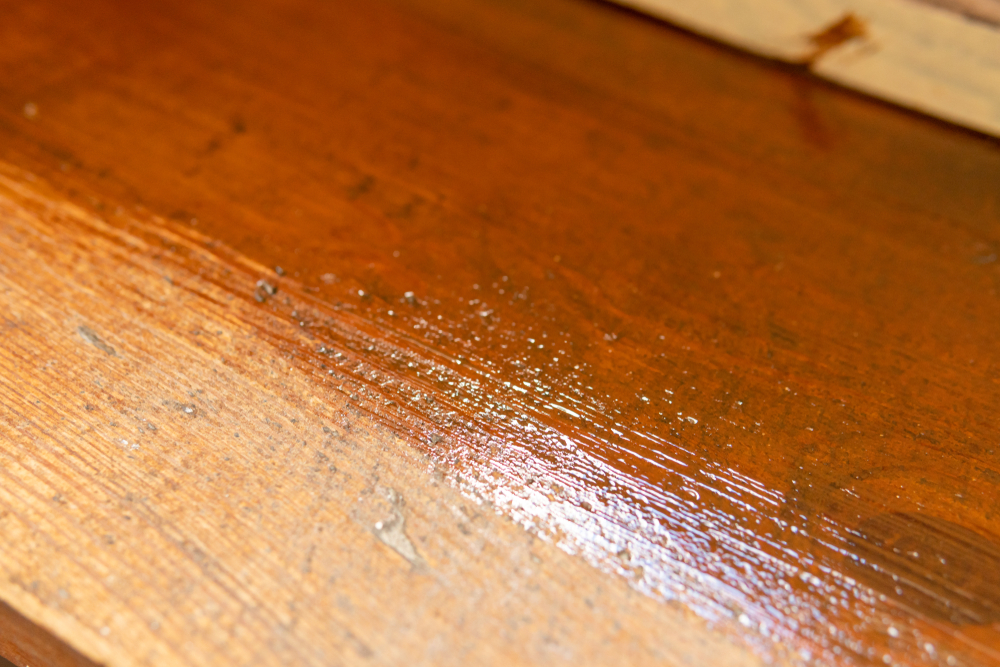
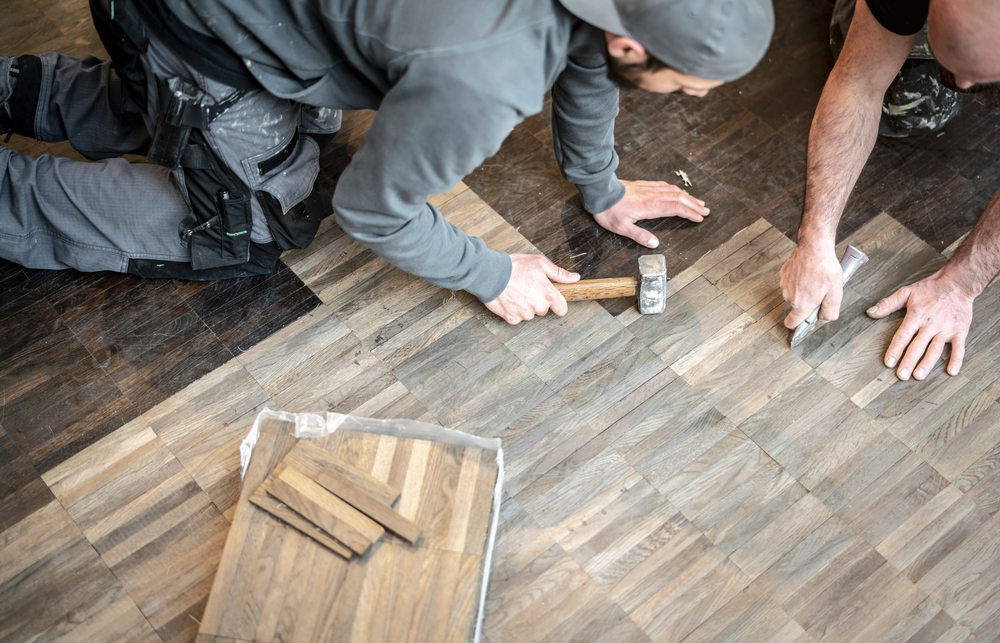
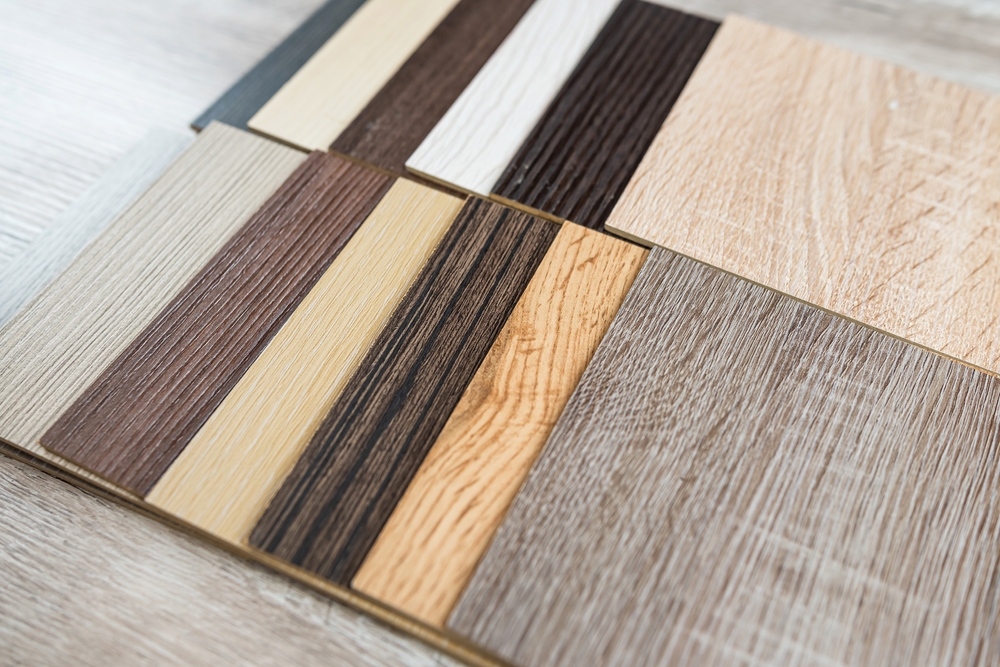
In terms of interior design, flooring remains one of the most powerful elements for setting the tone of a space. As we approach 2026, a distinct shift is emerging in the realm of hardwood floor stain choices. Homeowners and designers alike are gravitating toward a sophisticated palette of modern neutrals, soft and versatile hues that enhance architectural features without overpowering them. Particularly in regions like Central Oregon, where the natural landscape often influences interior styles, the move toward more muted, organic finishes is redefining what it means to have stylish, enduring hardwood floors.
Subtle Sophistication: The Rise of Soft Grays and Taupes
For years, deep espresso and cherry wood finishes dominated hardwood stain preferences. But the tide has turned. Today’s homeowners are embracing the understated elegance of soft grays and taupe tones. These cooler stains reflect a desire for minimalism and serenity in home environments, offering a neutral backdrop that works effortlessly with both contemporary and rustic décor.
Gray-based stains in particular have proven their versatility. Whether paired with crisp white walls for a Scandinavian aesthetic or mixed with warm earth tones in boho interiors, gray hardwood floors create balance and visual harmony. Taupe, a warm-gray hybrid, adds an extra layer of softness that is perfect for homes aiming to be both modern and inviting. The neutral undertones of these stain colors allow for flexibility in design changes over time, a key reason they are becoming central to the color trends for 2026.
In Central Oregon, where a blend of high-desert charm and modern sensibilities shape design choices, these muted tones resonate with homeowners looking for a timeless yet contemporary flooring solution.
Natural Beauty Reclaimed: Embracing Raw and Unfinished Looks
Another major trend gaining momentum in hardwood floor stain choices is the “barely there” finish. Homeowners are increasingly opting for stains that mimic the look of raw, untreated wood. These finishes often feature ultra-light washes, sometimes even clear sealants, that protect the wood while allowing its natural grain, texture, and knots to shine through.
This raw aesthetic aligns with a broader movement toward biophilic design, which seeks to connect indoor spaces with the natural world. In places like Central Oregon, where the environment is a celebrated part of life, this connection is particularly meaningful. Light white oak stains and soft maple tones are among the top choices for achieving this look. These finishes pair beautifully with organic textiles, stone elements, and expansive windows that bring the outside in.
This back-to-nature trend also reflects a rejection of over-processed, artificial-looking finishes. Instead, homeowners are looking to highlight the authenticity and craftsmanship of their hardwood floors, choosing stains that enhance rather than mask the material’s natural beauty.
The Warm Comeback: Honey and Buttery Tones
While cool tones and near-raw finishes are certainly at the forefront of the hardwood floor stain conversation, warm stains are making a quiet comeback, albeit in a more refined and toned-down manner than in past decades. Think subtle honey, golden oak, and light caramel hues that offer warmth without overwhelming a space.
These softer warm tones are a far cry from the glossy amber stains of the early 2000s. Today’s interpretations are matte or satin finishes, delivering a more organic and sophisticated effect. The modern warm neutral strikes a perfect chord for homeowners who want a cozier aesthetic while still remaining within the boundaries of a neutral palette.
Such hues are ideal for homes with abundant natural light, which enhances the gentle glow of the wood. In Central Oregon, where many homes feature large windows and open floor plans, these warm stain choices can create a grounded, welcoming atmosphere while staying aligned with broader design trends. They also pair exceptionally well with mixed materials like black steel, aged brass, or concrete, which are common features in modern mountain homes and new builds alike.
Low-Sheen and Matte Finishes: A Textural Revolution
Hardwood floor stain colors are only part of the conversation. The finish, or the topcoat sheen, has become just as significant in determining a floor’s overall aesthetic. Glossy finishes are becoming increasingly rare, as homeowners favor matte or low-sheen looks that convey an organic, understated elegance.
Matte finishes not only reduce glare and highlight natural wood grain, but they also create a more tactile, lived-in feel. They pair beautifully with the new neutral stain colors, giving floors a soft, touchable appearance rather than a slick, polished one. In high-traffic areas, low-sheen finishes are especially practical since they show fewer scratches and less dirt, making them ideal for families with pets or children.
This preference for a muted, textural look is particularly relevant in Central Oregon homes, where practicality often meets aesthetic. From modern townhouses in Bend to mountain retreats near the Cascades, matte finishes enhance the visual flow between interior and exterior spaces, reinforcing a seamless and grounded design narrative.
Eco-Conscious and Custom-Tinted Stains: The Personalization Era
As personalization becomes more central to home design, many homeowners are seeking custom-tinted hardwood floor stains that reflect their unique tastes while still fitting within the broader spectrum of neutral trends. These might include blends of gray and beige, often called “greige,” customized whitewashed tones, or barely-there blondes tailored to the specific wood species in use.
Equally important is the growing demand for eco-conscious stain options. Water-based stains and low-VOC finishes are more popular than ever, aligning with a larger societal shift toward sustainability and health-conscious living. Homeowners in Central Oregon, who often prioritize environmental responsibility, are embracing these greener options without sacrificing style.
Manufacturers and flooring specialists have responded with a range of eco-friendly stains that offer excellent performance and aesthetic appeal. This enables homeowners to choose not only the perfect shade but also a product that aligns with their values. The end result is a floor that is beautiful, durable, and environmentally sound.
Conclusion
The hardwood floor stain landscape is experiencing a thoughtful evolution as we approach 2026. The new neutrals, including subtle grays, raw woods, warm honey tones, and custom blends, are replacing the dominant dark stains of the past. These trending choices reflect a deeper cultural shift toward comfort, sustainability, and authenticity in home design.
In regions like Central Oregon, where lifestyle and environment play a major role in aesthetic preferences, the move toward modern neutral stains is more than just a trend. It is a reflection of how people want to live, with intention, beauty, and harmony with nature. Whether building a new home or renovating an existing space, selecting the right hardwood floor stain can dramatically impact the mood and function of your interiors.
As the industry continues to innovate and homeowners become more design-savvy, one thing is clear. The age of expressive, over-the-top flooring is giving way to a new era of understated elegance. The new neutrals are here, and they are transforming modern homes from the ground up.
Need a Local Flooring Store Near You?
We’d love to help bring your next project to life! At Northwest Tile Supply, Inc., our knowledgeable and friendly team is here to guide you through our wide selection of high-quality stone and porcelain tiles. Whether you’re a contractor tackling a big job or a homeowner planning a renovation, our showroom in Bend is the perfect place to get inspired and find exactly what you need. Give us a call or stop by today—we’re excited to work with you and help make your vision a reality!
Natural stone countertops are a popular choice among homeowners in Bend, OR, thanks to their timeless aesthetic, durability, and ability to elevate any kitchen or bathroom renovation. Whether you’re doing a full remodel or updating a single room, choosing between a slab and tile installation can feel overwhelming. Each option brings unique benefits and drawbacks that can affect your budget, installation timeline, and long-term satisfaction.
In this post, we’ll explore everything you need to know to make an informed decision. From the pros and cons of large format tile countertops to the seamless luxury of slabs, this guide will help you select the natural stone solution best suited to your renovation goals.
Understanding Slab Countertops
A slab countertop is made from a single, continuous piece of natural stone, such as granite, marble, or quartzite. These slabs are quarried in large chunks, cut down to size, and polished for installation. Slab countertops are widely considered a premium option, often associated with high-end home renovations.
The beauty of slab countertops lies in their uninterrupted visual appeal. The natural veining and color variations of the stone flow seamlessly from one end to the other, giving your kitchen or bathroom a bold, unified look. This design element is especially appealing for large kitchen islands or long countertops where the stone becomes a focal point.
Slab installations require professional handling and equipment, as each piece is heavy and fragile before it’s secured. Because of the size and weight, transporting and installing slabs is more labor-intensive and often more expensive than tile. However, many homeowners in Bend, OR find the results well worth the investment, especially for higher-end renovations that aim to boost long-term property value.
Exploring Large Format Tile Countertops
Large format tile countertops are made from individual tiles, typically ranging from 12×12 inches to 24×24 inches or even larger. These tiles can be crafted from natural stone, porcelain, or engineered stone and are installed over a substrate using mortar and grout. While they may lack the seamless look of a slab, they offer surprising versatility and practicality for many homeowners.
The pros and cons of large format tile countertops depend heavily on the type of renovation and aesthetic you’re targeting. On the upside, tiles are generally more affordable both in terms of materials and installation. They’re also easier to handle and transport, which can lead to quicker project completion and fewer labor costs. For DIY renovators in Bend, OR, tile countertops may even be a feasible weekend project with the right tools and some patience.
On the downside, grout lines are unavoidable with tile countertops, and they require regular maintenance to prevent staining or mildew. While larger tiles minimize the number of grout lines, they can’t eliminate them altogether. This means that if you prioritize a perfectly smooth, unbroken surface, slab countertops may still be the better fit. Still, many homeowners appreciate the affordability, ease of replacement, and variety of styles available with large format tiles.
Aesthetic Differences Between Slab and Tile
One of the primary considerations for any countertop material is how it looks in your space. Slab countertops provide a luxurious, high-end appearance. The absence of seams allows the stone’s veining and coloration to shine through without disruption. This can be especially striking with dramatic marbles or richly patterned granites. In open-plan kitchens or modern bathrooms, a slab creates a clean, architectural statement that’s hard to ignore.
In contrast, tile countertops offer a modular look. While they can still be elegant and sophisticated, the presence of grout lines creates a more segmented visual effect. That said, recent innovations in large format tile design have significantly narrowed the aesthetic gap. Some tile manufacturers now produce matching edge pieces and continuous pattern tiles that mimic the flow of a slab.
If you’re renovating a rustic farmhouse kitchen or a cozy bathroom, tile can bring a handcrafted charm that complements the overall vibe. You can also mix and match tiles for creative effects, such as borders, inlays, or geometric patterns. In this sense, tile offers design flexibility that slabs cannot match. Ultimately, the choice depends on whether you favor uninterrupted natural beauty or customizable visual variety.
Cost and Maintenance Considerations
Budget is always a key factor when deciding on materials for a home renovation. In general, slab countertops are more expensive than large format tiles. The cost of the stone itself, as well as the specialized labor needed to cut and install slabs, can add up quickly. If you’re working with high-end stones like Calacatta marble or exotic granites, you should expect to pay a premium for both material and installation.
Tile countertops offer a more budget-friendly alternative. Not only are the tiles themselves often less expensive, but installation tends to be more straightforward and can even be done by an experienced DIYer. This makes tile a great option for secondary spaces, such as laundry rooms, guest baths, or rental units where aesthetics still matter but cost control is essential.
When it comes to maintenance, both slab and tile countertops require care, but in different ways. Natural stone slabs need to be sealed regularly to protect against stains and etching, especially with softer stones like marble. Tiles made from natural stone require similar sealing, but the real challenge lies in keeping grout lines clean. In kitchens, where spills and splashes are common, maintaining tile grout can be time-consuming.
If hygiene and low maintenance are top priorities, slabs often win out simply because they have no grout. Still, with high-quality grout and regular cleaning, tile countertops can remain attractive and sanitary for years.
Choosing the Right Option for Your Bend, OR Home
Homeowners in Bend, OR often face unique design and climate considerations. With a focus on natural materials, energy efficiency, and blending indoor and outdoor living, the choice between slab and tile should align with your overall renovation goals.
If you’re updating a luxury kitchen with a view of the Cascade Mountains, a statement slab countertop can enhance both the value and visual harmony of the space. The natural stone becomes an extension of the natural beauty outside your window. Conversely, if you’re renovating a cozy craftsman home in downtown Bend, large format tile countertops might be the perfect solution, providing character, affordability, and functional durability.
Think also about how you use the space. For heavy-use kitchens or bathrooms where spills, heat, and impact are common, durability and maintenance requirements should weigh heavily in your decision. If you’re renovating with resale value in mind, a slab countertop may offer a better return on investment, especially in competitive real estate markets like Bend’s.
Finally, consider your own skills and project timeline. If you’re aiming for a quick refresh, tile can be a manageable DIY route. But for a long-term, high-impact change, professional slab installation might be the best way to go.
Conclusion
When it comes to natural stone countertops, there is no one-size-fits-all answer. The choice between slab and tile comes down to your aesthetic goals, budget, lifestyle needs, and renovation priorities. Slabs offer seamless beauty, higher property value, and minimal maintenance, making them ideal for premium projects. Large format tiles, on the other hand, provide affordability, design flexibility, and a practical solution for smaller or secondary spaces.
If you’re renovating in Bend, OR, and weighing the pros and cons of large format tile countertops versus slabs, take time to consider how each option will perform in your specific environment. Speak with local suppliers and contractors who understand the region’s design trends and climate, and don’t be afraid to request samples or mock-ups to help visualize the end result. With the right information and planning, you can select a natural stone countertop that brings beauty, function, and value to your home for years to come.
Need a Local Flooring Store Near You?
We’d love to help bring your next project to life! At Northwest Tile Supply, Inc., our knowledgeable and friendly team is here to guide you through our wide selection of high-quality stone and porcelain tiles. Whether you’re a contractor tackling a big job or a homeowner planning a renovation, our showroom in Bend is the perfect place to get inspired and find exactly what you need. Give us a call or stop by today—we’re excited to work with you and help make your vision a reality!
Laminate and vinyl flooring are two of the most popular flooring choices for modern homeowners. Their affordability, durability, and design versatility make them ideal for everything from budget-friendly remodels to high-traffic commercial spaces. However, with popularity comes misinformation. From misguided notions about their durability to inflated concerns about their long-term value, myths abound in the world of laminate and vinyl flooring. To set the record straight, we’ve consulted industry experts to help separate fact from fiction and shed light on the truth behind the most persistent flooring myths.
Myth #1: Laminate and Vinyl Flooring Are Cheaply Made and Flimsy
One of the most widespread myths about flooring durability and value is the belief that laminate and vinyl flooring are flimsy, low-quality options made from substandard materials. This perception likely stems from earlier iterations of these flooring types that lacked the technological advancements we see today.
Modern laminate flooring is composed of several layers: a tough wear layer, a decorative image layer, a core layer often made of high-density fiberboard, and a stabilizing backing layer. The result is a sturdy, resilient floor that can mimic the look of hardwood or stone at a fraction of the cost. Vinyl flooring, especially luxury vinyl plank (LVP) and luxury vinyl tile (LVT), features enhanced wear layers and waterproof cores, making it a robust choice for areas prone to moisture, such as bathrooms and kitchens.
Today’s manufacturing technologies ensure that both laminate and vinyl floors meet rigorous durability standards. Experts agree that with proper installation and maintenance, these floors can last anywhere from 15 to 30 years, debunking the notion that they are disposable, short-term solutions.
Myth #2: They Look Fake and Unattractive
Another persistent misconception is that laminate and vinyl floors look artificial and lack the aesthetic appeal of natural wood or stone. While this may have been true in the early days of synthetic flooring, today’s offerings are a far cry from the past.
Manufacturers have invested heavily in high-definition printing and texturing techniques, allowing laminate and vinyl to closely replicate the grain patterns, color variations, and even tactile feel of hardwood, ceramic, or natural stone. Embossed-in-register technology, for example, aligns surface textures with printed woodgrain patterns, delivering an authentic look and feel.
Design professionals often recommend vinyl or laminate for high-design spaces, especially where real wood or stone may be impractical due to moisture, budget, or wear concerns. Whether you’re after a rustic oak plank or sleek slate tile appearance, these floors offer a wide array of stylish and realistic design choices.
Myth #3: Laminate and Vinyl Flooring Can’t Handle Water
Among the most damaging myths about flooring durability and value is the assumption that laminate and vinyl floors can’t tolerate water exposure. While early laminate products were vulnerable to swelling when exposed to moisture, innovation has changed the game.
Water-resistant and even waterproof laminate products now exist, making them suitable for kitchens, entryways, and even powder rooms. These enhanced laminates are constructed with hydrophobic cores and tight locking systems that help prevent water from seeping through seams.
Vinyl flooring, particularly luxury vinyl, is inherently waterproof. It is often made from synthetic materials like PVC, which resist water absorption. As a result, vinyl is frequently recommended for basements, laundry rooms, and full bathrooms. Experts caution that although vinyl won’t absorb water, it’s still important to properly seal the edges and seams to prevent mold or mildew growth underneath.
The key takeaway: when chosen thoughtfully and installed correctly, both laminate and vinyl can hold their own in moisture-prone environments.
Myth #4: These Floors Are Bad for Home Value
Some homeowners worry that installing laminate or vinyl flooring will reduce their property’s resale value or make it less appealing to buyers. This idea is outdated and often rooted in comparisons to luxury materials like solid hardwood or natural stone.
While it’s true that high-end materials can increase home value, modern buyers are more practical than ever. Durability, low maintenance, and design appeal are top priorities. Many real estate agents report that quality laminate and vinyl installations are considered upgrades in today’s market, particularly when they are stylish, professionally installed, and well-maintained.
It’s also worth noting that the resale value impact depends heavily on context. For example, in a high-traffic rental property or a family home with children and pets, the scratch resistance and easy cleaning of vinyl or laminate may be more attractive than high-maintenance hardwood.
Ultimately, high-quality flooring of any type—when chosen to match the home’s aesthetic and installed with care—can enhance its marketability.
Myth #5: Laminate and Vinyl Are Interchangeable
A final myth worth debunking is the notion that laminate and vinyl are essentially the same thing, and thus interchangeable. Though they may share similar benefits, they are built differently and have unique properties that make them better suited for different situations.
Laminate is typically made from wood-based products, topped with a photographic image layer and a protective coating. This makes it less resistant to water compared to vinyl but often more rigid and sometimes more comfortable underfoot due to the thicker core.
Vinyl flooring, particularly in plank or tile form, is made entirely from synthetic materials, often with a flexible or semi-rigid core. It is usually more waterproof and thinner, which can be advantageous for installations over existing flooring or in spaces with limited door clearance.
Experts recommend considering the specific needs of each room. For example, vinyl is often preferred in bathrooms or basements due to its waterproof nature, while laminate might be favored in living areas for its warmth and acoustics.
Understanding these distinctions allows homeowners to make more informed decisions that align with their priorities for performance, appearance, and longevity.
Conclusion
The myths about flooring durability and value have cast undue doubt on the reliability and appeal of laminate and vinyl flooring. Thanks to technological innovation, both options now offer exceptional strength, style, and performance. Dispelling these common misconceptions is vital for helping homeowners and renovators choose the right flooring for their unique needs.
Far from being flimsy or inferior, laminate and vinyl flooring stand out as smart, stylish choices that balance aesthetics, affordability, and durability. Whether you are upgrading a single room or outfitting an entire home, trusting the facts—not the myths—will guide you to a beautiful and lasting result.
Need a Local Flooring Store Near You?
We’d love to help bring your next project to life! At Northwest Tile Supply, Inc., our knowledgeable and friendly team is here to guide you through our wide selection of high-quality stone and porcelain tiles. Whether you’re a contractor tackling a big job or a homeowner planning a renovation, our showroom in Bend is the perfect place to get inspired and find exactly what you need. Give us a call or stop by today—we’re excited to work with you and help make your vision a reality!
Owning a home in Bend, Oregon means enjoying stunning mountain views, crisp high-desert air, and four distinct seasons. It also means that your floors take on more than their fair share of daily wear and tear. From snowy boots and muddy hiking shoes to the dry summer dust that blows in through open windows, the flooring in your house works overtime. Over the years, it can be tough to know whether your floors simply need a little TLC or if it is time for a complete flooring replacement. This checklist will guide you through the signs your floors need replacing and help you make the right choice for your Bend home.
The Impact of Bend’s Climate on Flooring
Before diving into the signs your floors need replacing, it’s important to understand the role Bend’s environment plays in flooring longevity. Winters bring snow, slush, and de-icing agents that can seep into wood and laminate floors, warping or staining them. Carpeting doesn’t fare much better, as it absorbs moisture and odors quickly. In summer, Bend’s dry climate causes wood floors to expand and contract, often leading to cracking or gapping. Even tile, considered one of the most durable options, can suffer from grout deterioration when exposed to repeated freeze-thaw cycles.
Homeowners in Bend, Oregon need to weigh these seasonal stressors when assessing the condition of their floors. What may be a minor issue in other parts of the country often accelerates faster in Central Oregon due to these environmental challenges. That’s why keeping a close eye on your flooring and knowing when to replace it is vital for maintaining both aesthetics and home value.
Signs of Wear and Damage You Shouldn’t Ignore
One of the clearest ways to decide if it’s time to replace your floors is by identifying visible or structural damage. Floors are more than just a surface; they are integral to your home’s safety, comfort, and design. Here are some of the most common indicators that your floors are past their prime.
Creaking and squeaking noises are often dismissed as quirks of an older home, but they may point to shifting subflooring or boards that are no longer secure. Persistent creaks can indicate deeper structural issues that will only worsen over time. Warping and buckling are other red flags. If your hardwood planks no longer sit flush, or laminate sections appear lifted, moisture is likely to blame. Given Bend’s wet winters, this is a frequent problem for local homeowners.
Carpet flooring shows its age in different ways. Stubborn stains, odors that linger even after deep cleaning, and matted fibers that won’t spring back are all signs of deterioration. While carpet can often last a decade with proper care, many Bend homes see significant wear much sooner due to outdoor debris tracked inside.
Tile floors, although durable, reveal their age when grout begins to crack or tiles loosen. If one or two tiles are damaged, repairs may suffice, but widespread issues often signal that replacement is the more cost-effective solution. Identifying these early signs of decline not only helps maintain the beauty of your home but also prevents more serious issues like mold, water damage, or compromised structural integrity.
When Floor Repairs Aren’t Enough
Not every problem calls for a complete replacement. However, there are circumstances where repair becomes a temporary fix rather than a long-term solution. For example, refinishing hardwood can extend its lifespan, but if boards are deeply gouged or repeatedly water-damaged, refinishing won’t restore their strength. Similarly, patching sections of carpet may temporarily mask stains, but mismatched textures and fading make the repair obvious and unsightly.
In Bend, Oregon, homes with older flooring often reach a tipping point where repairs become more costly and less effective than replacement. Consider the age of your flooring: most hardwood lasts 20 to 30 years, laminate 10 to 15 years, and carpet 8 to 10 years. If your floors are beyond these typical lifespans and showing significant wear, replacement is the most practical choice.
Another factor to consider is health and safety. Old carpets harbor allergens, dust, and bacteria that impact indoor air quality. Cracked tiles create tripping hazards, while uneven hardwood can cause stubbed toes or worse. At this point, repairing only prolongs the inevitable and fails to address the underlying issues that affect daily living. Choosing replacement ensures your home remains both functional and safe.
The Aesthetic and Value Benefits of New Floors
Beyond functionality, new floors dramatically impact the look and feel of your home. Flooring sets the tone for every room, influencing light, space perception, and overall comfort. If your floors look outdated, dull, or clash with your décor, replacing them is a worthwhile investment. In Bend’s competitive real estate market, homes with modern, well-maintained flooring consistently attract more interest and higher offers.
Hardwood remains a timeless choice, offering natural beauty and durability that withstands Bend’s climate with proper sealing. Luxury vinyl planks are another popular option for local homeowners, providing the look of wood with added water resistance and affordability. Tile remains a staple in kitchens and bathrooms, offering durability in moisture-prone areas. Carpet, while less trendy, still adds comfort to bedrooms and family spaces when replaced with modern, stain-resistant varieties.
For homeowners considering resale, the return on investment is significant. According to industry data, new flooring is one of the top updates buyers look for when evaluating a home. Replacing worn-out floors not only enhances your day-to-day enjoyment but also positions your property competitively should you decide to sell.
Planning Your Flooring Replacement in Bend
Once you’ve determined the signs your floors need replacing, the next step is planning your project. Bend offers a wide range of flooring specialists familiar with the region’s unique climate and design preferences. Working with a local professional ensures you choose materials that withstand Central Oregon’s seasonal extremes.
Budgeting is another crucial element. Flooring replacement costs vary widely based on material, square footage, and labor. Hardwood sits at the higher end of the spectrum, while laminate and vinyl offer more affordable alternatives. It’s wise to request multiple quotes and weigh both upfront costs and long-term durability. Keep in mind that quality installation is just as important as material selection. A poorly installed floor will deteriorate more quickly, negating the investment.
Timing also matters in Bend. Many homeowners choose spring or summer for flooring projects, avoiding the heavy moisture of winter that complicates installation. Preparing your home by moving furniture and creating a clear workspace can also speed up the process. By carefully planning, you’ll ensure your new floors not only look beautiful but also stand the test of time in Bend’s challenging climate.
Conclusion
Your floors are one of the most used and noticed features of your home. Knowing when it’s time to replace them is essential for maintaining comfort, safety, and value. In Bend, Oregon, the climate accelerates wear and tear, making it even more important to recognize the signs your floors need replacing. Whether you’re dealing with creaks, warping, stains, or outdated aesthetics, new flooring offers both functional and financial benefits. By investing in replacement when the time is right, you ensure your home continues to reflect the warmth and resilience that makes living in Bend so rewarding.
Need a Local Flooring Store Near You?
We’d love to help bring your next project to life! At Northwest Tile Supply, Inc., our knowledgeable and friendly team is here to guide you through our wide selection of high-quality stone and porcelain tiles. Whether you’re a contractor tackling a big job or a homeowner planning a renovation, our showroom in Bend is the perfect place to get inspired and find exactly what you need. Give us a call or stop by today—we’re excited to work with you and help make your vision a reality!
When choosing the best flooring for Bend, Oregon, climate plays a critical role. Bend is known for its high-desert environment, with hot, dry summers and cold, snowy winters. The wide temperature fluctuations and seasonal moisture changes can be tough on flooring materials. Homeowners must consider how their floors will perform in a setting where humidity levels vary significantly throughout the year. Hardwood and laminate are two popular choices, but they respond very differently to these conditions.
Hardwood flooring is crafted from solid planks of natural wood, giving it unmatched beauty and a timeless aesthetic. However, real wood tends to expand and contract with humidity, making it more vulnerable to seasonal changes in Bend. Laminate, on the other hand, is a manufactured product that uses a photographic image of wood beneath a protective layer. Its engineered structure makes it more stable and resistant to moisture, which can be beneficial in a region where snowmelt and seasonal dampness are common.
Understanding how each option interacts with Bend’s climate is the foundation for making an informed decision. By weighing durability, maintenance, and aesthetics, you can determine which flooring will best complement your home and lifestyle.
The Appeal of Hardwood Flooring in Bend
Hardwood has long been associated with elegance, warmth, and value. For many homeowners, it is the gold standard of flooring because of its natural character and ability to enhance the architectural charm of a space. In Bend, where many homes feature rustic or craftsman-style designs, hardwood seamlessly fits the aesthetic. Its rich tones and natural grain patterns can make living spaces feel warm and inviting, especially during Bend’s cold winters.
Durability is another advantage of hardwood, as well-maintained floors can last for decades, even centuries. They can also be sanded and refinished multiple times, allowing homeowners to refresh their appearance without replacing the floor entirely. This makes hardwood an investment that grows with your home over time.
However, there are challenges to consider. Hardwood is sensitive to changes in moisture. In Bend, snow tracked inside can lead to warping, staining, or gapping if spills and puddles are not quickly addressed. Seasonal dryness may also cause boards to shrink slightly, creating small gaps. To combat these issues, homeowners often need to monitor indoor humidity levels and invest in rugs or mats near entryways to protect high-traffic zones.
Cost is another factor. Hardwood tends to be more expensive upfront than laminate, both in materials and installation. Yet, for those who value authenticity and long-term return on investment, hardwood often feels worth the higher price tag.
Why Laminate Flooring Fits the Bend Lifestyle
Laminate flooring offers a practical alternative that is increasingly popular among Bend homeowners. Designed to mimic the look of wood, laminate provides an attractive, budget-friendly solution that can handle the demands of Bend’s dynamic climate. Because it is constructed with a durable wear layer and a high-density fiberboard core, laminate is more resistant to moisture and scratches than natural hardwood. This makes it particularly suitable for households with children, pets, or active lifestyles.
One of the biggest advantages of laminate in Bend is its stability. While hardwood floors may expand and contract with seasonal humidity, laminate is less likely to warp or gap. This reliability is especially appealing during winter, when snow and slush are frequently brought indoors. Many laminate options also come with water-resistant or waterproof technology, offering additional peace of mind in kitchens, bathrooms, or entryways.
Another factor in favor of laminate is cost. It generally costs significantly less than hardwood while still delivering the look of natural wood. Modern laminate designs are highly realistic, featuring textured finishes that capture the feel of authentic wood grain. For homeowners seeking the aesthetic of hardwood without the higher price or maintenance requirements, laminate can be the best flooring for Bend, Oregon, climate challenges.
Maintenance is straightforward with laminate. Regular sweeping and occasional mopping with a damp cloth are usually sufficient to keep it looking new. Unlike hardwood, it does not require refinishing. However, it cannot be sanded or restored in the same way hardwood can, which means once it wears down, it will need to be replaced.
Comparing Hardwood and Laminate in Real-World Bend Homes
To decide between hardwood and laminate, it is helpful to consider how each performs in everyday Bend living. A family with young children and pets may prefer laminate for its scratch resistance and affordability. For such households, durability and ease of maintenance often outweigh the prestige of hardwood. In contrast, a homeowner who values long-term investment and wants to elevate their home’s resale value may gravitate toward hardwood, especially if they are prepared to maintain it properly.
Climate plays an important role as well. Hardwood can thrive in Bend if homeowners are vigilant about controlling indoor humidity and cleaning up moisture quickly. Many residents invest in humidifiers during winter to reduce wood shrinkage. Laminate, being more forgiving, requires less environmental control, which can make it a practical option for those who want fewer maintenance tasks.
Style preferences also come into play. Hardwood’s natural imperfections, color variations, and unique grain patterns give it a level of authenticity that laminate cannot fully replicate. For some, this authenticity is essential to creating the desired atmosphere in their Bend home. Others may be perfectly satisfied with the increasingly realistic look of laminate, especially when it comes at a fraction of the cost.
Ultimately, the decision often comes down to lifestyle priorities. If you envision your flooring as a long-term investment that adds enduring value, hardwood is likely the better choice. If you want attractive, budget-friendly, and low-maintenance floors that adapt well to Bend’s climate, laminate may be the smarter option.
Conclusion
Choosing between hardwood and laminate flooring for your Bend, Oregon home requires careful consideration of climate, lifestyle, budget, and long-term goals. Hardwood offers timeless beauty, the ability to be refinished, and a boost to home value, but it demands vigilance against moisture and seasonal dryness. Laminate, meanwhile, provides a durable, cost-effective, and low-maintenance alternative that stands up well to everyday life in Bend’s variable conditions.
The best flooring for Bend, Oregon, climate ultimately depends on what matters most to you as a homeowner. Those who value natural elegance and see flooring as a lifetime investment may find hardwood worth the effort. Those seeking affordability, durability, and ease of maintenance may find laminate to be the ideal solution. By understanding the strengths and limitations of each option, you can confidently select a floor that enhances your Bend home while fitting your lifestyle for years to come.
Need a Local Flooring Store Near You?
We’d love to help bring your next project to life! At Northwest Tile Supply, Inc., our knowledgeable and friendly team is here to guide you through our wide selection of high-quality stone and porcelain tiles. Whether you’re a contractor tackling a big job or a homeowner planning a renovation, our showroom in Bend is the perfect place to get inspired and find exactly what you need. Give us a call or stop by today—we’re excited to work with you and help make your vision a reality!